
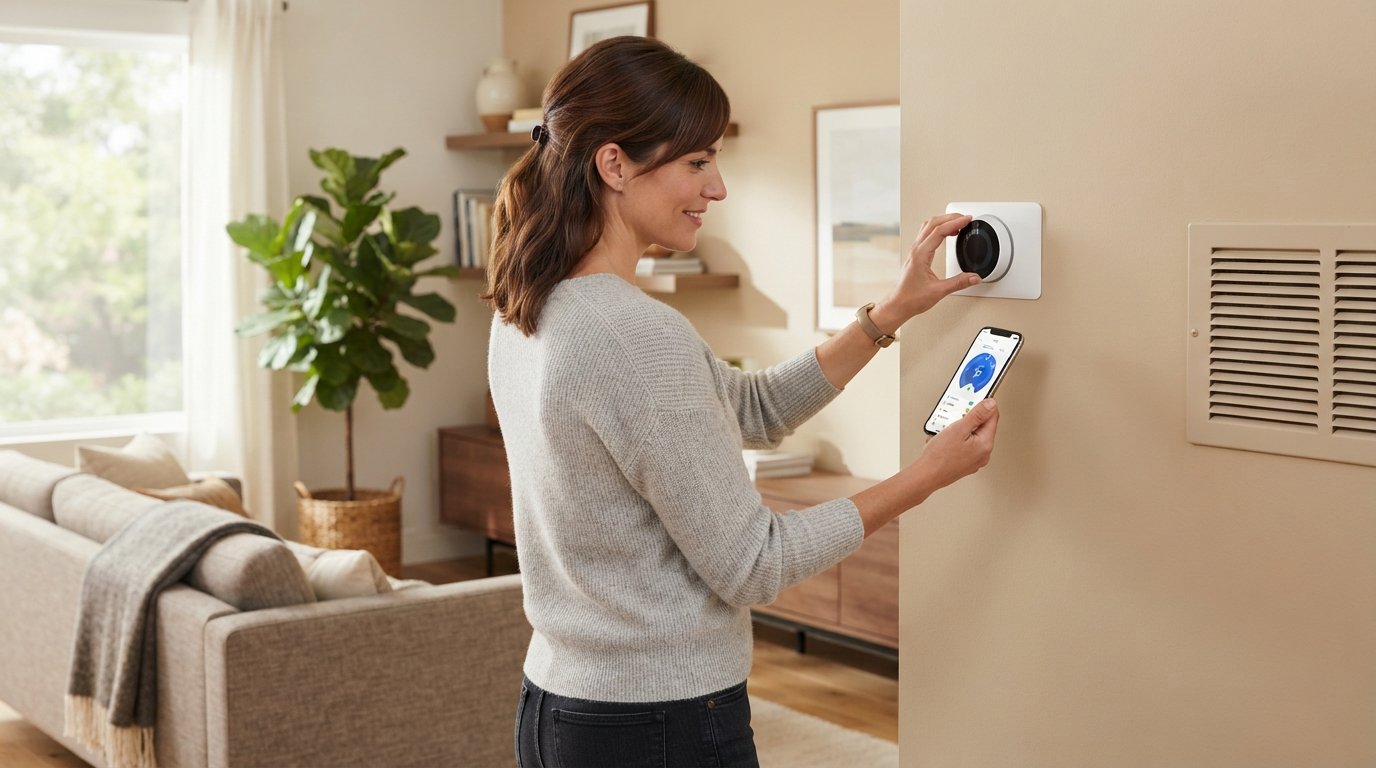
Smart Thermostat and HVAC Integration Guide for Homeowners
Smart thermostat and HVAC integration guide for homeowners: cut energy bills and boost comfort. Call 8337004293 for expert help.
By Eric Andrew
Learn more about Thermostat Installation or Repair for guides, costs, and what to expect.
Compare Thermostat Installation or Repair Pros Near You

Enter your ZIP code to compare top-rated local professionals and request free quotes.
Your thermostat used to be a simple dial on the wall, a device you nudged up or down without much thought. Today, it can be the brain of your entire heating and cooling system, learning your schedule, trimming energy waste, and even alerting you when a component is about to fail. For homeowners, the smart thermostat and HVAC integration guide for homeowners is not just about buying a trendy gadget; it is about making your home more comfortable, predictable, and efficient while avoiding costly mistakes that can void warranties or damage equipment. Whether you are upgrading an older system, building a new home, or simply tired of high utility bills, understanding how smart thermostats and HVAC systems work together is the first step toward a smarter, more responsive home.
Why Smart Thermostat and HVAC Integration Matters for Homeowners
Heating and cooling typically account for more than half of a home's annual energy consumption. A traditional thermostat runs on a fixed schedule or manual adjustments, which means it often heats or cools an empty house or lets temperatures drift while you are away. A smart thermostat, by contrast, uses sensors, geofencing, and learning algorithms to adjust settings based on occupancy, weather, and your daily patterns. When integrated properly with your HVAC system, it can reduce energy waste by 10 to 15 percent or more, according to common industry estimates.
Integration goes beyond simple scheduling. Modern smart thermostats can communicate with variable-speed compressors, heat pumps, zoning systems, and even humidifiers or dehumidifiers. They can ramp up gradually instead of blasting at full power, which reduces wear and tear and extends equipment life. They can also provide diagnostic data that helps contractors pinpoint issues before they become emergencies. For homeowners, this means fewer surprise breakdowns, lower repair bills, and a more consistent indoor environment.
However, integration is not automatic. Many smart thermostats require specific wiring, like a C-wire, and some HVAC systems use proprietary communication protocols that are not compatible with consumer-grade thermostats. That is why a thoughtful integration plan matters. Without it, you might end up with a device that cannot control your system properly, or worse, one that short-cycles your compressor and causes premature failure.
How Smart Thermostats Communicate with HVAC Systems
At a basic level, a thermostat is a switch that tells your HVAC equipment when to turn on and off. Traditional thermostats use low-voltage wires to send simple signals: one wire for heating, one for cooling, one for the fan, and so on. Smart thermostats use the same wiring but add microprocessors, Wi-Fi, and sometimes proprietary communication protocols. The key is that your HVAC system must be able to understand the signals the thermostat sends.
There are three main levels of integration you should know about. First, there is basic on/off control, which works with almost any system and any smart thermostat, provided the wiring is compatible. Second, there is multi-stage control, which allows the thermostat to manage two-stage furnaces, two-stage air conditioners, or heat pumps with auxiliary heat. Third, there is fully communicating control, where the thermostat and HVAC equipment exchange data continuously. This last level offers the most precise comfort and efficiency but often locks you into a specific brand's ecosystem.
Before buying a smart thermostat, check your HVAC system's manual or consult a professional to identify the type of system you have. Single-stage systems are the easiest to integrate. Heat pumps require a thermostat that explicitly supports heat pump operation, including defrost cycles and emergency heat. Zoned systems may need a thermostat that can handle multiple zones or a separate zone controller. If you are unsure, a licensed HVAC contractor can perform a compatibility check, which is a small investment that can save you from expensive mistakes.
Key Compatibility Factors: Wiring, Voltage, and Protocols
Wiring is the most common integration hurdle. Most smart thermostats need a C-wire, which provides a constant 24-volt power source. Older homes often lack this wire, which means you may need to run a new cable, install a power adapter kit, or choose a thermostat that works without a C-wire (often by using batteries or power-stealing technology). Power-stealing thermostats can work, but they may cause issues with some systems, especially if the HVAC equipment is sensitive to slight voltage fluctuations.
Voltage is another factor. Residential HVAC systems typically run on 24 volts AC for control circuits, but some commercial or older systems use different voltages. Always verify that your smart thermostat is rated for your system's voltage. Line-voltage thermostats, used for electric baseboard heaters, are a different category entirely and require specific models.
Communication protocols matter for high-end systems. Brands like Carrier, Trane, and Lennox often use proprietary communicating controls that allow the thermostat to modulate compressor speed, fan speed, and even airflow. Third-party smart thermostats may not be able to access these advanced features. If you have a communicating system, your best bet is often to stick with the manufacturer's smart thermostat or a compatible third-party option that has been certified for your equipment. A professional can help you navigate these options and ensure you get the most out of your system.
Step-by-Step Integration Process for Homeowners
Integrating a smart thermostat with your HVAC system is not a weekend DIY project for everyone, but understanding the process helps you ask the right questions and avoid pitfalls. The following steps outline a typical integration journey, from assessment to optimization. Keep in mind that if you are not comfortable working with electrical wiring, hiring a licensed professional is the safest and smartest choice.
- Assess your HVAC system and wiring. Turn off power to your HVAC equipment at the breaker. Remove your old thermostat and take a photo of the wiring. Note the labels (R, W, Y, G, C, etc.) and whether a C-wire is present. Check your HVAC system's model number and manual to determine if it is single-stage, multi-stage, or communicating.
- Choose a compatible smart thermostat. Use the manufacturer's compatibility checker or consult a professional. Look for features that match your system: heat pump support, multi-stage support, and whether it works without a C-wire if needed. Consider your smart home ecosystem (Alexa, Google Home, Apple HomeKit) for voice control and automation.
- Install the thermostat or hire a pro. If you have a C-wire and basic wiring skills, you can often install the thermostat yourself by following the manufacturer's instructions. If you lack a C-wire, have a heat pump, or are unsure, hire a licensed HVAC contractor. They can run new wiring, install a power adapter, and ensure everything is grounded and configured correctly.
- Configure and connect. Once installed, power up the system and follow the on-screen setup. Connect the thermostat to your Wi-Fi network and link it to your smart home app. Configure settings for your system type, fan control, and any advanced features like dual fuel or auxiliary heat.
- Test and optimize. Run your heating and cooling system through a full cycle to ensure it responds correctly. Check for short cycling, unusual noises, or error codes. Use the thermostat's app to set schedules, geofencing, and energy-saving modes. Monitor performance for a few weeks and adjust as needed.
After integration, take time to explore the data your smart thermostat provides. Many models show runtime hours, energy usage, and filter change reminders. This information can help you fine-tune settings and catch inefficiencies early. For example, if you notice the system runs longer than usual on mild days, it could indicate a refrigerant issue or dirty filter. Addressing these small issues promptly can prevent bigger problems down the road.
Benefits of Proper Integration: Comfort, Savings, and Longevity
When a smart thermostat is correctly integrated with your HVAC system, the benefits compound. You get more consistent temperatures because the thermostat can anticipate changes rather than react to them. You get lower energy bills because the system runs only when needed and at optimal speeds. You get longer equipment life because the system experiences fewer on/off cycles and less stress on components.
Smart thermostats also enable remote monitoring and control. If you are on vacation and a cold snap hits, you can check that your pipes are safe without leaving the heat running unnecessarily. If you have a rental property or a second home, you can manage the HVAC system from anywhere. Some thermostats even integrate with security systems, so you can be alerted if the temperature drops unexpectedly, which could indicate a furnace failure.
Another advantage is improved indoor air quality. Some smart thermostats can control whole-home humidifiers, dehumidifiers, and ventilation systems. They can run the fan periodically to circulate air and filter out pollutants, even when heating or cooling is not needed. This is especially valuable for homeowners with allergies or respiratory sensitivities. When you combine these features with professional HVAC maintenance, you create a home environment that is both comfortable and healthy.
Common Integration Mistakes and How to Avoid Them
Even with the best intentions, homeowners sometimes run into problems. One of the most common mistakes is buying a smart thermostat without checking compatibility. A thermostat that works for a single-stage furnace may not work for a heat pump or a multi-stage system. Always verify compatibility before purchase, and if in doubt, consult a professional.
Another mistake is ignoring the C-wire requirement. Power-stealing thermostats can work, but they may cause erratic behavior in some systems. If your system needs a C-wire, have one installed. It is a relatively inexpensive job that ensures reliable performance. Skipping this step can lead to short cycling, frozen coils, or a blown transformer.
A third mistake is failing to configure the thermostat properly after installation. Many smart thermostats default to settings that may not match your system type. For example, if you have a heat pump, you must set the thermostat to control it correctly, including auxiliary heat and defrost cycles. Incorrect configuration can lead to high energy bills and equipment damage. Always read the manual or have a professional configure the advanced settings.
Finally, some homeowners forget to maintain their HVAC system after integration. A smart thermostat is not a substitute for regular maintenance. Filters still need changing, coils still need cleaning, and professional tune-ups are still recommended. In fact, a smart thermostat can help you stay on top of maintenance by sending reminders, but you still have to act on them. Pairing smart technology with routine service is the best way to protect your investment.
Choosing the Right Professional for Integration and HVAC Services
While some homeowners are comfortable installing a smart thermostat themselves, complex integration tasks are best left to licensed professionals. This is especially true if you have a heat pump, a multi-stage system, a zoning system, or a communicating HVAC system. A qualified contractor can assess your system, recommend compatible thermostats, handle wiring and configuration, and ensure everything works safely and efficiently.
If you are planning a broader home improvement project, such as a bathroom remodel, roofing repair, or solar panel installation, you may want to coordinate your HVAC upgrades with other work. For example, if you are adding a sunroom or finishing a basement, you may need to extend your HVAC system and integrate new zones. A general contractor or HVAC specialist can help you plan these upgrades holistically, avoiding costly rework and ensuring your smart thermostat can manage all zones effectively.
To find reliable professionals, consider using a platform that connects homeowners with vetted contractors. For instance, 180Remodel offers access to a network of remodeling and HVAC experts who can handle everything from smart thermostat installation to full system replacements. By getting multiple quotes, you can compare pricing and services, ensuring you get the best value for your project. For a comprehensive overview of smart thermostat benefits and installation, you can also explore our detailed guide: smart thermostats installation benefits. This resource covers additional insights on energy savings and feature comparisons that can help you make an informed decision.
When interviewing contractors, ask about their experience with smart thermostat integration. Do they have certifications from thermostat manufacturers? Can they provide references from similar projects? Do they offer warranties on their work? A professional who specializes in HVAC and smart home technology will be able to answer these questions and guide you toward the best solution for your home.
Future-Proofing Your Home with Smart HVAC Integration
The world of smart home technology is evolving rapidly. Today's smart thermostats are already capable of learning your preferences, integrating with voice assistants, and responding to utility demand-response programs. Tomorrow's systems may be even more interconnected, with HVAC equipment communicating directly with renewable energy sources like solar panels and battery storage.
By investing in a smart thermostat and ensuring proper integration now, you are positioning your home for future upgrades. For example, if you plan to add solar panels, a smart thermostat can help you maximize self-consumption by running your HVAC system when solar production is high. If you add an electric vehicle charger, you can coordinate charging and HVAC usage to avoid overloading your electrical panel. These synergies are only possible when your systems can talk to each other.
Moreover, as energy codes and utility rates become more dynamic, smart thermostats will play a key role in managing costs. Time-of-use rates, demand charges, and peak-hour pricing are becoming more common. A smart thermostat can automatically adjust temperatures during peak periods to reduce your bills without sacrificing comfort. Some utilities even offer rebates or incentives for installing qualifying smart thermostats, which can offset the initial cost.
To take full advantage of these opportunities, keep your HVAC system well-maintained and consider upgrading to a variable-speed or two-stage system when it is time for replacement. These systems pair exceptionally well with smart thermostats, delivering superior comfort and efficiency. And as always, work with qualified professionals to ensure your integration is done right.
Your home's comfort and efficiency are too important to leave to guesswork. By following this smart thermostat and HVAC integration guide for homeowners, you can make informed decisions, avoid common pitfalls, and enjoy a home that responds to your needs while keeping energy waste in check. Whether you are installing your first smart thermostat or upgrading an existing system, the right integration will pay dividends for years to come.
Learn more about Thermostat Installation or Repair for guides, costs, and what to expect.
Compare Thermostat Installation or Repair Pros Near You
Enter your ZIP code to compare top-rated local professionals and request free quotes.