
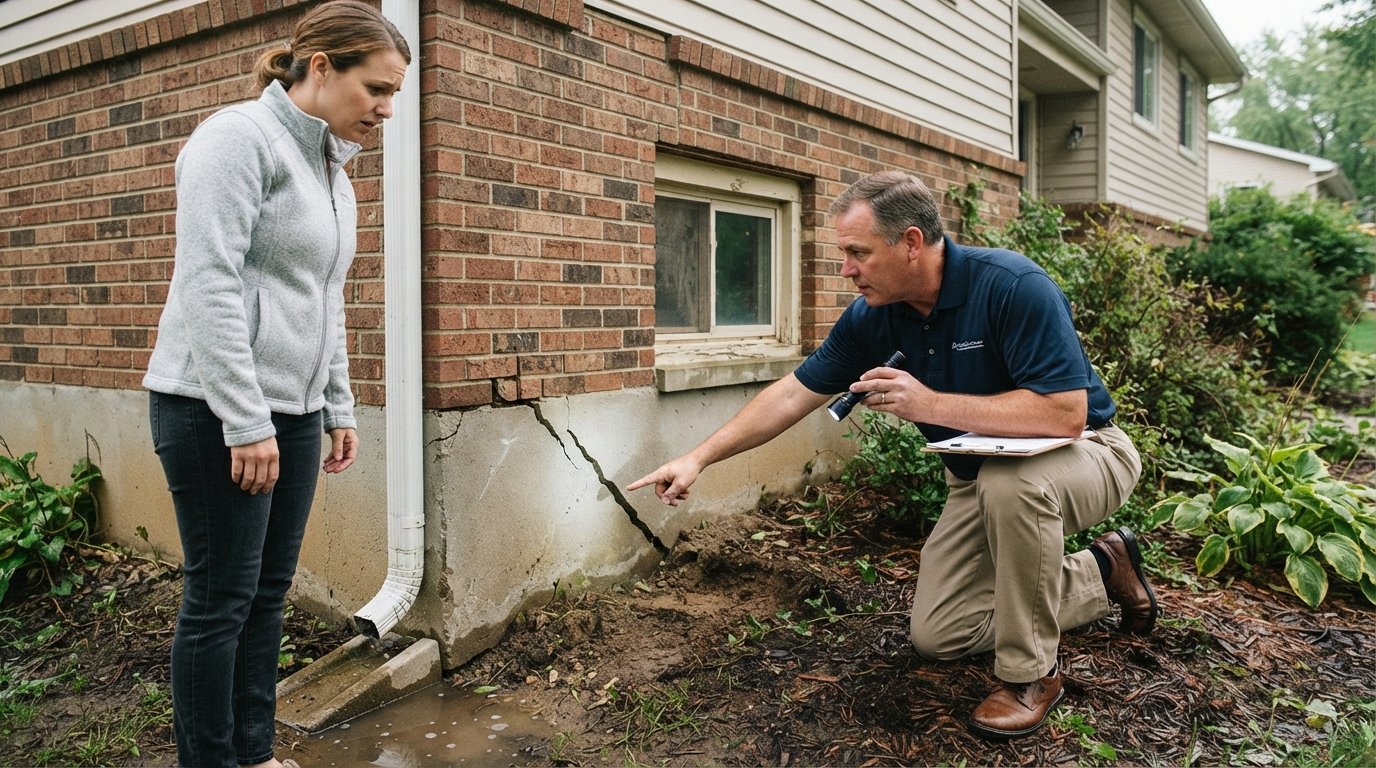
Identifying Foundation Problems: Early Detection and Repair
Spot foundation problems early with our guide to warning signs, repair methods, and preventive maintenance. Protect your home's value and avoid costly fixes.
By Margaret Sheridan
Learn more about Foundation Repair for guides, costs, and what to expect.
Compare Foundation Repair Pros Near You

Enter your ZIP code to compare top-rated local professionals and request free quotes.
A foundation is the most critical structural component of any home, yet it is also one of the most overlooked until visible damage appears. By the time cracks reach the surface or doors begin to stick, the underlying issue may have been developing for months or even years. Understanding how to identify foundation problems early, recognize the warning signs, and pursue timely repair can save homeowners thousands of dollars and prevent irreversible structural damage. In this guide, we will walk through the causes, symptoms, and solutions for foundation issues, and explain how professional assessment and repair protect your home's value and safety.
Why Foundations Fail: Common Causes and Contributors
Foundations fail for a variety of reasons, many of which are environmental or related to how the home was originally constructed. Soil conditions play a major role: expansive clay soils swell when wet and shrink when dry, creating movement that cracks concrete and shifts footings. Poor drainage around the perimeter allows water to pool near the foundation, increasing hydrostatic pressure and leading to bowing walls or slab movement. In colder climates, freeze-thaw cycles cause the ground to heave, while in drought-prone regions, the soil can desiccate and settle unevenly.
Construction defects also contribute to premature failure. Inadequate compaction of backfill, missing reinforcement, or poor concrete mixing can weaken the foundation from day one. Plumbing leaks beneath the slab erode supporting soil, creating voids that cause sections of the home to sink. Tree roots can invade and disrupt footings, especially when large trees are planted too close to the structure. Understanding these causes helps homeowners assess their own risk factors and take preventive measures.
Age is another factor. Older homes may have been built to different standards, and decades of exposure to moisture and temperature fluctuations take a toll. Even well-built foundations can degrade if maintenance is neglected. Recognizing the interplay of soil, water, construction quality, and age is the first step in identifying foundation problems early and addressing them before they escalate.
Early Warning Signs: What to Look For Inside and Outside
The key to early detection is knowing which symptoms matter and where to look. Some signs are obvious, like large cracks in walls or floors, while others are subtle, such as doors that no longer latch properly or a slight slope in the floor. Homeowners should perform periodic inspections, ideally twice a year, and after any major weather event.
Interior warning signs include:
- Cracks in drywall, especially around door frames, windows, and corners.
- Doors and windows that stick or fail to close evenly.
- Uneven or sloping floors.
- Gaps between walls and ceiling or floor moldings.
- Bowing or leaning walls.
Exterior indicators are equally important:
- Visible cracks in the foundation itself, particularly horizontal or stair-step cracks.
- Separation between the foundation and the siding or brick veneer.
- Sunken or raised areas in the yard near the foundation.
- Gaps around windows or doors on the exterior.
- Chimney leaning away from the house.
Not every crack indicates a serious problem. Hairline cracks from settling are common, but any crack wider than a quarter inch, or one that grows over time, warrants professional evaluation. Horizontal cracks in a foundation wall often signal soil pressure, while stair-step cracks in brick may indicate differential settlement. Documenting changes with photos and notes can help a foundation specialist diagnose the issue accurately.
In addition to visual cues, homeowners should pay attention to how the house feels. A floor that feels spongy or bouncy, or a persistent musty odor in the basement or crawl space, could point to moisture intrusion and foundation compromise. Early detection is about pattern recognition: multiple small signs together often tell a bigger story than any single symptom.
If you suspect foundation issues, it is wise to consult a professional sooner rather than later. In our guide on foundation repair and home value, we explain how timely intervention preserves structural integrity and marketability. That resource complements the steps outlined here and reinforces the value of early action.
DIY Inspection Techniques and When to Call a Pro
While major foundation repairs require licensed professionals, homeowners can perform basic inspections to catch early signs. Start by walking the perimeter of your home and looking for cracks, gaps, or areas where the soil has pulled away from the foundation. Use a flashlight to inspect crawl spaces and basements for moisture, efflorescence (white mineral deposits), or visible cracks in the foundation walls.
Inside, check floors with a level or marble to detect slopes. Open and close all windows and doors to see if they operate smoothly; sticking or misalignment can indicate shifting. Look for cracks in drywall, especially at corners and above door frames. A simple crack monitoring gauge, available at hardware stores, can track whether a crack is widening over time.
However, DIY inspection has limits. You should call a professional if you notice any of the following:
- Cracks wider than 1/4 inch or growing.
- Horizontal cracks in foundation walls.
- Bowing or bulging walls.
- Doors or windows that suddenly become difficult to open.
- Visible sinking or settling of the foundation.
- Water pooling near the foundation after rain.
A qualified foundation contractor will use specialized tools such as levels, moisture meters, and sometimes excavation to determine the root cause. They can also assess whether the issue is structural or cosmetic, and recommend the appropriate repair method, from epoxy injection for minor cracks to piering or helical anchors for severe settlement.
Repair Methods: Matching the Solution to the Problem
Foundation repair is not one-size-fits-all. The right approach depends on the type of foundation (slab, crawl space, basement), the cause of the damage, and the severity. Common repair techniques include:
- Epoxy or polyurethane injection: For non-structural cracks, these sealants fill and bond the crack, preventing water intrusion.
- Carbon fiber or steel reinforcement: Used for bowing walls, these strips or straps stabilize the wall without excavation.
- Piering (push piers or helical piers): Steel piers are driven or screwed into stable soil beneath the foundation to lift and support the structure.
- Slabjacking or mudjacking: A grout mixture is pumped beneath a sunken slab to raise it back to level.
- Drainage correction: Installing French drains, gutters, or grading to divert water away from the foundation.
Each method has its place. For example, a home with minor settlement cracks might only need epoxy injection and improved drainage, while a house with significant sinking may require piering. A professional assessment is essential to avoid unnecessary or ineffective repairs. Homeowners should also consider long-term solutions: fixing the underlying cause (such as poor drainage) is just as important as repairing the symptom.
Costs vary widely based on the repair method, extent of damage, and region. Minor crack repair might cost a few hundred dollars, while full piering can run into tens of thousands. However, delaying repair often leads to more extensive and expensive fixes down the line. Early detection and intervention are the most cost-effective strategies.
Preventive Maintenance: Protecting Your Foundation Long-Term
Prevention is always better than cure, especially for foundations. Simple maintenance habits can significantly reduce the risk of foundation problems. Start with water management: ensure gutters and downspouts discharge water at least five feet away from the foundation. Grade the soil so it slopes away from the house, and avoid planting trees or large shrubs too close to the foundation.
Maintain consistent moisture levels around the foundation. In drought conditions, a soaker hose placed around the perimeter can keep soil from shrinking excessively. In wet climates, improve drainage with French drains or sump pumps. Inside, fix plumbing leaks promptly and ensure crawl spaces are properly ventilated to prevent moisture buildup.
Regular inspections, both DIY and professional, can catch small issues before they become major. Consider having a foundation specialist evaluate your home every few years, especially if you live in an area with expansive soils or extreme weather. Addressing minor cracks and drainage issues early is far less expensive than structural repairs.
Finally, when planning any home improvement project, think about how it might affect your foundation. Adding a room, installing a pool, or changing landscaping can alter soil drainage and load distribution. Consulting a professional before major changes can prevent future problems. For homeowners looking to connect with qualified contractors for foundation repair or other remodeling needs, platforms like 180Remodel offer a network of vetted professionals. USremodel also provides free quotes from independent contractors, making it easy to get multiple estimates and choose the best solution for your home.
Understanding Repair Costs and Insurance Considerations
Foundation repair costs can be daunting, but understanding the factors that influence price helps homeowners plan. Minor crack injection might cost $500 to $1,500, while major piering can range from $5,000 to $20,000 or more. The extent of damage, accessibility, and regional labor rates all play a role. Homeowners should obtain multiple quotes and ask for detailed explanations of the proposed work.
Homeowners insurance typically does not cover foundation damage caused by poor maintenance, settling, or earth movement. However, it may cover sudden events like burst pipes or sinkholes if they are included in the policy. Review your policy carefully and discuss with your agent. Some homeowners opt for supplemental foundation insurance or warranties, though these are not common.
Financing options for foundation repair include home equity loans, personal loans, or contractor financing. Some companies offer payment plans. It is important to address foundation issues promptly, as delaying can lead to more costly repairs and potential safety hazards. A solid foundation is essential for the structural integrity of your home and its resale value.
In summary, identifying foundation problems early and taking action is a responsibility every homeowner should embrace. By learning the warning signs, performing regular inspections, and partnering with qualified professionals, you can protect your home and your investment. Whether you need a simple crack repair or a comprehensive foundation solution, USremodel can connect you with trusted local contractors who specialize in foundation repair and other home improvement services. Taking the first step today can save you from bigger headaches tomorrow.
Learn more about Foundation Repair for guides, costs, and what to expect.
Compare Foundation Repair Pros Near You
Enter your ZIP code to compare top-rated local professionals and request free quotes.