
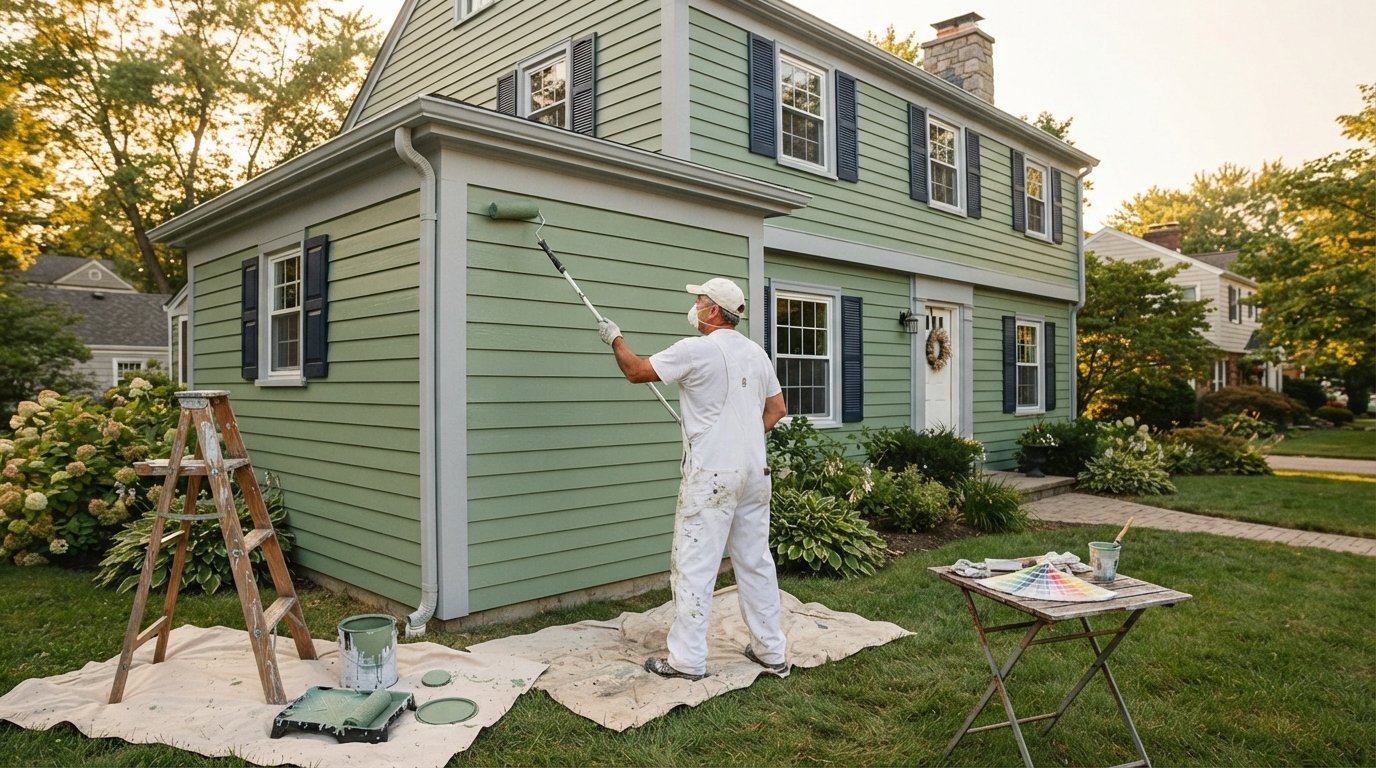
Exterior Painting Services: Choosing Colors and Materials
Master exterior painting services choosing colors and materials for lasting curb appeal. Call (833)-700-4293 to compare local painter quotes today.

By Chelsea Kris
Learn more about Exterior Painting for guides, costs, and what to expect.
Compare Exterior Painting Pros Near You

Enter your ZIP code to compare top-rated local professionals and request free quotes.
A fresh coat of exterior paint does more than make your house look good. It shields siding from moisture, blocks UV damage, and sets the tone for your entire property. Yet the difference between a paint job that lasts a decade and one that fades in two years often comes down to two decisions: the colors you pick and the materials you apply. Homeowners searching for exterior painting services choosing colors and materials face a maze of options, from trendy palettes to specialty coatings. This guide cuts through the noise with practical advice on color trends, surface-specific paints, prep work, and how to hire the right professional for the job.
Why Color and Material Choices Matter More Than You Think
Exterior paint is not just decoration. It is your home's first line of defense against rain, sun, and temperature swings. A high-quality coating applied over proper prep can prevent wood rot, stop peeling, and keep siding intact for years. Conversely, the wrong paint for your climate or siding type can trap moisture, cause blistering, and lead to costly repairs. Color plays a role too: dark hues absorb heat and can warp vinyl siding, while light colors reflect sunlight and help lower cooling costs. The stakes are high, so it pays to understand how color and material work together before you commit.
Beyond protection, curb appeal directly influences resale value. Real estate agents often cite exterior paint as one of the most cost-effective upgrades for sellers. A well-chosen palette signals that a home is maintained and loved, while a peeling or outdated facade raises red flags. Whether you plan to stay for decades or sell next spring, investing time in selecting the right colors and materials is a smart move. For a broader look at how paint impacts property value, see our guide on exterior painting to boost curb appeal.
Current Exterior Color Trends and Resale-Friendly Palettes
Color trends shift gradually, but certain palettes consistently perform well in appraisals and buyer surveys. In 2026, the most popular exterior schemes lean toward warm neutrals, earthy tones, and high-contrast accents. These choices feel modern yet timeless, making them safe bets for homeowners who want a fresh look without alienating future buyers. Here are the standout trends you should know:
- Warm whites and greiges: Off-white, cream, and greige (gray-beige) remain top sellers. They reflect heat, look clean, and pair with almost any roof color.
- Earthy greens and blues: Sage, olive, and slate blue add personality while staying understated. These hues work especially well in natural settings.
- High-contrast trim: Dark trim (charcoal, navy, or black) against a light body creates a crisp, modern silhouette.
- Monochromatic schemes: Using different shades of the same color for body, trim, and accents offers a sophisticated, cohesive look.
Resale-friendly palettes tend to stick to three colors: a dominant body color, a trim color, and an accent for the door or shutters. Avoid overly bold or unusual combinations if you plan to sell within a few years. If you are unsure, test colors on a small section of siding and view them at different times of day. Sunlight can dramatically change how a color reads, so what looks gray in the store may appear blue on your house.
Selecting the Right Paint Type for Siding, Trim, and Doors
Not all exterior paints are created equal. The best choice depends on the material you are painting and the climate you live in. Siding, trim, and doors each have different exposure levels and surface properties, so using a one-size-fits-all product can lead to premature failure. Here is a breakdown of the most common paint types and where they shine:
- Acrylic latex: The go-to for wood, vinyl, and fiber cement siding. It is flexible, resists fading, and cleans up with water. Choose a 100 percent acrylic formula for maximum durability.
- Alkyd (oil-based) paint: Excellent for trim and doors because it dries hard and resists sticking. However, it has higher VOCs and requires mineral spirits for cleanup.
- Elastomeric paint: A thick, rubbery coating ideal for masonry and stucco. It bridges small cracks and expands with temperature changes.
- Urethane-modified paints: Premium option for high-traffic areas like front doors. They offer excellent adhesion and fade resistance.
For trim and doors, consider a semi-gloss or gloss finish. These sheens are easier to clean and highlight architectural details. Siding usually looks best with a satin or eggshell finish, which hides imperfections and resists dirt. Always check the manufacturer's recommendations for your specific siding material. For example, vinyl siding requires a paint that will not crack as the vinyl expands and contracts, while wood siding benefits from a primer that blocks tannin bleed. If you are unsure, consult a professional painting contractor who can match the product to your home's needs.
The Critical Role of Prep Work in Longevity
Even the most expensive paint will fail if applied over a dirty, peeling, or damp surface. Prep work is the foundation of a long-lasting exterior paint job, yet it is the step many homeowners overlook. Proper prep typically includes pressure washing, scraping loose paint, sanding rough spots, filling cracks, and applying primer where needed. Each step serves a purpose: washing removes chalk, dirt, and mildew that prevent adhesion; scraping and sanding create a smooth surface; primer seals porous materials and blocks stains.
The impact of prep on longevity is dramatic. A well-prepped surface can hold paint for 10 to 15 years, while a poorly prepped one may start peeling within two or three. Professional exterior painting services include prep as a standard part of their process, but you should confirm the scope of work before signing a contract. Ask whether they will pressure wash, scrape, prime bare wood, and caulk gaps around windows and doors. Skipping these steps to save money upfront often leads to costly repainting later.
Weather conditions also affect prep and application. Paint should not be applied in direct sunlight, high humidity, or temperatures below 50 degrees Fahrenheit. Rain can wash away fresh paint, and wind can cause overspray. A reputable contractor will schedule the job around favorable weather and use products designed for your local climate.
How Professional Exterior Painting Enhances Curb Appeal and Protection
Hiring a professional exterior painting service is about more than convenience. Trained painters bring expertise in surface preparation, product selection, and application techniques that most homeowners cannot replicate. They know how to spot underlying issues like wood rot, moisture intrusion, or failing caulk, and they can address these problems before they become expensive repairs. Their work also comes with a warranty, giving you peace of mind that the job will last.
From a protection standpoint, professional painters use high-quality primers and topcoats that are specifically formulated for your siding type and climate. They apply the right thickness and number of coats, which is critical for UV resistance and moisture blocking. Improper application, such as spraying too thin or painting over damp surfaces, can void the paint manufacturer's warranty. Professionals follow the manufacturer's specifications to the letter, ensuring your investment is protected.
Curb appeal is another major benefit. A crisp, clean exterior makes your home stand out in the neighborhood and creates a positive first impression for guests and potential buyers. According to real estate data, exterior paint consistently ranks among the top five home improvements for return on investment. A professional job also increases the perceived value of your property, as buyers view it as one less project to tackle.
When you are ready to find a painter, USremodel simplifies the process. As a lead generation platform, USremodel connects homeowners with independent contractors who specialize in exterior painting. You can request multiple free quotes, compare pricing, and choose the professional that best fits your needs. For homeowners who want to plan their project with transparent cost data, platforms like ContractorHomeQuotes offer detailed guides and estimation tools that can help you budget with confidence. By combining USremodel's contractor matching with reliable cost resources, you can hire a painter without the guesswork.
Finding and Comparing Exterior Painting Contractors Through USremodel
Finding a reliable painting contractor can feel overwhelming, especially with so many options online. USremodel streamlines the process by matching you with licensed, insured professionals in your area. Here is how to make the most of the platform:
- Submit your project details: Fill out the online form with your location, home type, and painting needs. Be specific about the surfaces you want painted (siding, trim, doors, shutters).
- Receive multiple quotes: USremodel will connect you with up to four local contractors who provide free, customized estimates. Compare not just price but also the scope of work, warranties, and timelines.
- Verify credentials: Ask each contractor for proof of licensing, insurance, and references. A professional will gladly provide these documents.
- Check reviews and portfolios: Look at past projects to gauge quality and style. Ask for addresses of recent jobs so you can see the work in person.
- Ask about prep and materials: Confirm that the quote includes pressure washing, scraping, priming, and caulking. Discuss the brands and types of paint they plan to use.
Once you have narrowed down your options, schedule a final walkthrough with your chosen contractor. Clarify the start date, expected duration, and payment schedule. Never pay the full amount upfront; a deposit of 10 to 30 percent is standard, with the balance due upon satisfactory completion. Also, ask about the warranty on labor and materials, and get it in writing.
USremodel's platform is free for homeowners and requires no obligation. You can take your time reviewing quotes and asking questions. The goal is to empower you with options so you can make an informed decision, not rush into a contract.
Common Mistakes to Avoid When Choosing Colors and Materials
Even well-intentioned homeowners can stumble when selecting paint. Here are a few pitfalls to watch for:
- Choosing colors indoors: Paint chips look different under store lighting. Always test colors on your actual siding and view them in natural light.
- Ignoring the roof and fixed elements: Your roof, gutters, and brick or stone accents are permanent. Choose colors that harmonize with them.
- Skimping on primer: Primer is not optional, especially for bare wood or dramatic color changes. It ensures adhesion and truer color.
- Using the wrong sheen: High-gloss paint on siding highlights imperfections, while flat paint on trim shows every scuff. Match sheen to surface.
- Overlooking the warranty: Some paints have specific application requirements. Failure to follow them can void the warranty.
Avoiding these mistakes can save you time, money, and frustration. When in doubt, consult a professional painter who can guide you toward the best combination of color and product for your home.
Exterior painting is an investment in your home's beauty and durability. By staying informed about color trends, selecting the right materials for each surface, and hiring a qualified professional through USremodel, you can enjoy a beautiful, protective finish for years to come. Take the first step today by requesting free quotes from local contractors and comparing your options.
Learn more about Exterior Painting for guides, costs, and what to expect.
Compare Exterior Painting Pros Near You
Enter your ZIP code to compare top-rated local professionals and request free quotes.