
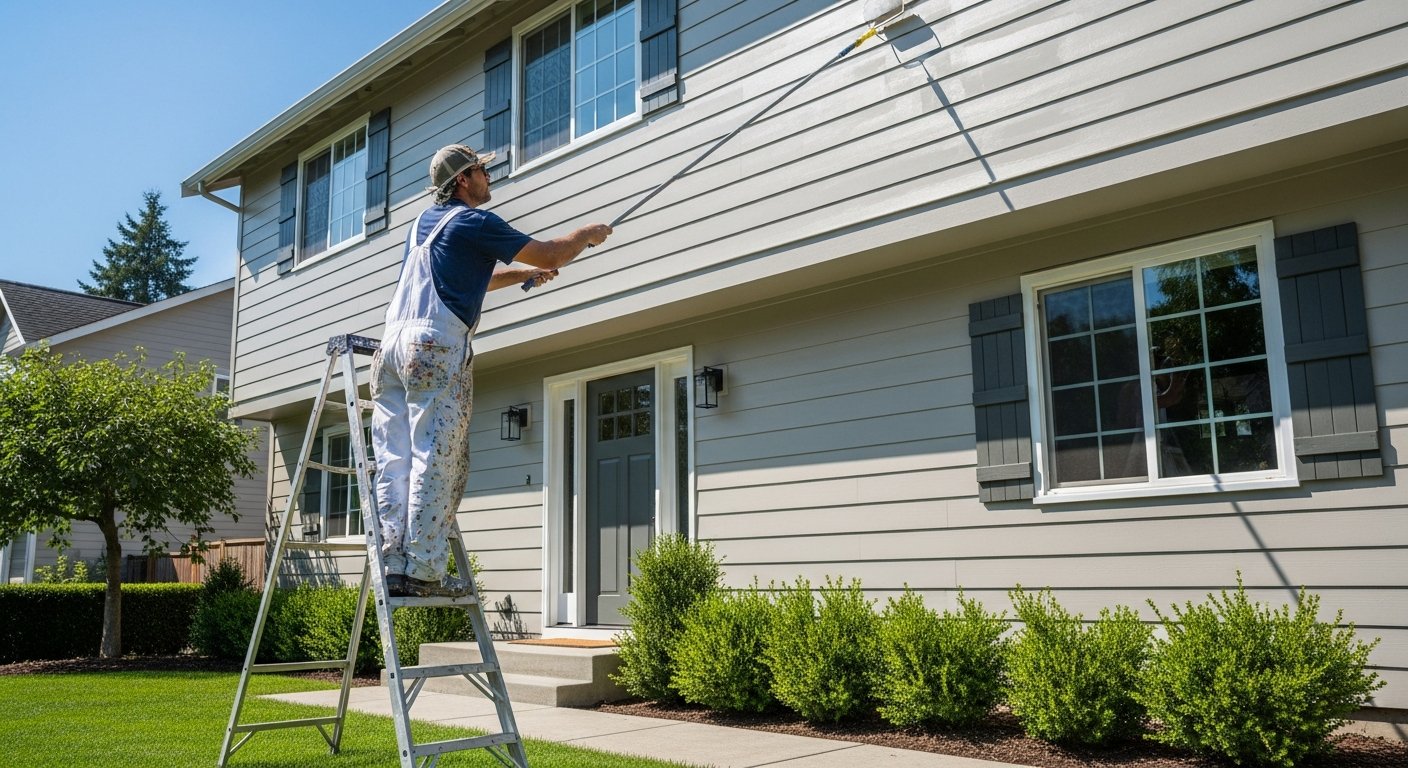
Exterior Painting: Boost Curb Appeal and Home Value
Discover how exterior painting boosts curb appeal and home value. Learn key steps, costs, and tips for hiring pros with USremodel.
By Jackson Sawyer
Learn more about Exterior Painting for guides, costs, and what to expect.
Compare Exterior Painting Pros Near You

Enter your ZIP code to compare top-rated local professionals and request free quotes.
Your home's exterior is the first thing people see, and its condition speaks volumes about the care you put into your property. A fresh coat of paint is one of the most cost-effective ways to transform your home's appearance, protect it from the elements, and increase its market value. But exterior painting is more than just picking a color and rolling it on. It requires careful planning, the right materials, and skilled execution to achieve a durable, beautiful finish that lasts for years. This guide walks you through everything you need to know, from assessing your needs to hiring the right professional, so you can make confident decisions for your home.
Whether you are preparing to sell, addressing peeling paint, or simply refreshing your home's style, understanding the process is essential. Many homeowners underestimate the complexity involved, from surface preparation to paint selection. By learning the key factors, you can avoid costly mistakes and ensure your project goes smoothly. Moreover, connecting with the right contractor through a platform like USremodel can make the entire experience more efficient and less stressful.
Why Exterior Painting Matters More Than You Think
Exterior paint serves a dual purpose: it enhances aesthetics and provides critical protection. The paint acts as a barrier against moisture, UV rays, and temperature fluctuations. Without it, wood can rot, metal can rust, and siding can deteriorate, leading to expensive repairs down the line. A well-maintained exterior also contributes to energy efficiency by sealing gaps and reflecting heat, which can reduce your heating and cooling costs.
From a financial perspective, a quality exterior paint job offers one of the highest returns on investment among home improvements. According to industry studies, you can recoup a significant portion of the cost when you sell your home. Curb appeal plays a major role in buyer perception, often making the difference between a quick sale and a property that lingers on the market. Even if you are not selling, a fresh coat of paint brings immense pride of ownership and makes your home the envy of the neighborhood.
Assessing Your Exterior Painting Needs
Before you pick up a brush or call a contractor, take a close look at your home's exterior. Identify problem areas such as peeling, cracking, or blistering paint, as these indicate underlying issues that must be addressed. Check for signs of moisture damage, like soft wood or stains, and inspect caulking around windows and doors. The condition of your siding, stucco, or brick will also influence the preparation required.
Consider the age of your current paint job. Most quality exterior paints last between five to ten years, depending on the climate and quality of the previous application. If your paint is nearing the end of its lifespan, it is wise to plan a repaint before significant deterioration occurs. Also, think about the color scheme. Are you happy with the current color, or are you ready for a change? Keep in mind that darker colors absorb heat, which can affect your home's temperature and energy use, while lighter colors reflect it.
Common Exterior Surfaces and Their Paint Needs
Different materials require different types of paint and preparation. Wood siding, for instance, needs a primer to seal the surface and prevent tannin bleed-through. Vinyl siding requires a paint specifically formulated for plastic-based materials to ensure adhesion and flexibility. Stucco and masonry are porous and need a breathable paint that allows moisture to escape. Metal surfaces, like gutters and doors, benefit from rust-inhibiting primers and paints.
Each surface has its own set of challenges, and a professional contractor knows how to handle them. For example, pressure washing is essential for removing dirt and mildew, but it must be done carefully to avoid damaging the surface. Caulking and patching cracks are critical to prevent water infiltration. A skilled painter will also know the right time of year to paint in your region, avoiding extreme temperatures and humidity that can compromise the finish.
Choosing the Right Paint and Colors
Selecting paint involves more than just picking a color you like. The finish (sheen) affects both appearance and durability. Flat finishes hide imperfections but are less washable, while satin and semi-gloss are easier to clean and more resistant to moisture. High-gloss is often used for trim and doors to create a striking contrast. The resin type, whether acrylic, latex, or oil-based, determines flexibility, adhesion, and longevity. Acrylic latex is the most popular choice for exterior use due to its durability and easy cleanup.
When it comes to color, consider your home's architectural style and the surrounding landscape. A classic palette of neutrals like white, beige, or gray offers timeless appeal and broad buyer attraction. Bolder colors can highlight architectural features but may be risky if you plan to sell. Use the 60-30-10 rule: 60% for the main body, 30% for trim, and 10% for accents like doors and shutters. Test samples on your wall to see how they look in different lighting conditions before making a final decision.
Here are some practical tips for choosing colors and finishes:
- Test in natural light: Paint large swatches on different sides of your home and observe them during various times of the day.
- Consider the neighborhood: While you want to stand out, an odd color can hurt resale value. Look at neighboring homes for inspiration.
- Match the architectural era: Victorian homes often suit multi-color schemes, while modern homes look best with minimalist palettes.
- Evaluate the finish: Use flat for large walls, satin for areas exposed to weather, and semi-gloss for trim and doors.
After you narrow down your choices, consult with your painting contractor. They can provide valuable feedback on color trends, paint quality, and what will work best for your specific surface. They may also have relationships with suppliers, allowing you to get premium paint at a better price.
The Exterior Painting Process: What to Expect
A professional exterior paint job follows a systematic process to ensure a flawless and lasting result. Understanding the steps helps you know what to expect and allows you to monitor the quality of work.
Preparation: The Foundation of a Great Finish
The most critical phase is preparation. This includes power washing the exterior to remove dirt, mildew, and loose paint. Any peeling or flaking paint is scraped off, and rough areas are sanded smooth. Cracks and holes are filled with appropriate caulk or patching compound. Priming is applied to bare wood, metal, or heavily stained areas to ensure proper adhesion and block stains. This stage is time-consuming, but skipping it guarantees premature failure.
Application: Skilled Techniques for a Durable Coat
Professional painters use a combination of brushes, rollers, and sprayers to apply the paint evenly. Spraying is fast and effective for large surfaces, but it requires careful masking to protect windows, doors, and landscaping. Brushing ensures a thick, even coat on edges and corners, while rollers work well on flat areas. The number of coats depends on the color and the paint's hiding power, but two coats are standard for maximum durability and coverage.
Weather plays a crucial role in the application. Paint should not be applied in direct sunlight on a hot day, as it can dry too quickly and cause blisters. Similarly, rain or high humidity can wash away or prevent proper curing. A reputable contractor will monitor the forecast and schedule work accordingly.
Cleanup and Inspection
After the final coat, the contractor will remove all masking, clean up paint drips, and inspect the work for touch-ups. A thorough walkthrough should be done together with the homeowner to ensure every detail meets expectations. Quality contractors stand behind their work and offer warranties, giving you peace of mind.
Hiring the Right Exterior Painting Contractor
Choosing the right professional is the single most important decision you will make. A bad paint job can lead to peeling, blistering, and costly rework. Start by asking for recommendations from friends, family, or neighbors. Online reviews and the Better Business Bureau can also provide insights, but remember to take them with a grain of salt. Look for contractors who are licensed, insured, and bonded. Insurance protects you from liability in case of accidents or property damage.
Get multiple quotes from different contractors. A detailed quote should include the scope of work, materials, labor, timeline, and payment schedule. Be wary of bids that are significantly lower than others, as they may indicate subpar materials or shortcuts. Ask about the brand and quality of paint they use, and whether they offer a warranty on both materials and workmanship. A reputable contractor will be happy to provide references from recent projects.
Using a lead generation platform like USremodel simplifies this process. You submit your project details once, and the platform connects you with qualified contractors in your area who have been vetted. This saves you time and effort, and you can compare quotes from multiple pros without the hassle of cold calling. It also provides peace of mind knowing that the contractors are interested in your business and ready to compete for your project.
Cost Factors and Budgeting for Your Project
The cost of exterior painting varies widely based on several factors: the size of your home, the number of stories, the type of siding, the condition of the surface, and the quality of paint. On average, homeowners spend between $1,800 and $5,000 for a single-story home, while two-story homes can range from $3,000 to $7,000 or more. These are ballpark figures, and your actual cost could be higher if extensive repairs are needed.
Here are the key cost drivers to consider:
- Square footage: Larger homes require more paint and labor.
- Number of stories: Higher elevations need specialized equipment and safety measures, increasing the cost.
- Surface prep: The more peeling paint and rot present, the more time and material needed to prepare.
- Paint quality: Premium paints cost more but last longer, offering better value in the long run.
- Labor rates: These vary by region, but you get what you pay for. Experienced painters charge more, but they deliver a superior finish.
When budgeting, set aside an extra 10-15% for unexpected issues, such as wood rot that needs replacing or extra coats needed for a color change. The contractor's quote should itemize all costs so you can see where your money goes. Remember that investing in quality now can save you from repainting sooner and protect your home from structural damage.
Maximizing the Lifespan of Your Exterior Paint
Once your home is freshly painted, you want it to stay that way for as long as possible. Proper maintenance can extend the life of your paint job by several years. Regular cleaning with a soft brush or low-pressure washer removes dirt and mildew that can degrade paint. Inspect your exterior annually for cracks, peeling, or blistering, and address them promptly to prevent water intrusion.
Keep trees and shrubs trimmed away from the house to allow air circulation and reduce moisture buildup. Ensure that gutters and downspouts are clean and directing water away from your walls. If you notice any issues, a quick touch-up with the same paint can prevent a small problem from becoming a large one. By staying proactive, you can maintain a beautiful exterior for a decade or more.
In conclusion, exterior painting is a significant investment that enhances your home's beauty, protects its structure, and increases its value. By understanding the process, choosing the right materials, and hiring a skilled contractor, you can achieve a stunning result that lasts. Platforms like USremodel make it easier than ever to find trustworthy professionals who can bring your vision to life. Take the first step today by requesting a free quote, and give your home the makeover it deserves.
Learn more about Exterior Painting for guides, costs, and what to expect.
Compare Exterior Painting Pros Near You
Enter your ZIP code to compare top-rated local professionals and request free quotes.