
Tile Flooring: Pros, Cons, and Installation Tips
Explore the pros, cons, costs, and installation process for tile flooring to decide if it is the right choice for your next home improvement project.
By Danica Leslie
Learn more about Tile Installation and Replacement for guides, costs, and what to expect.
Compare Tile Installation and Replacement Pros Near You

Enter your ZIP code to compare top-rated local professionals and request free quotes.
When you step into a room, the floor is one of the first things you notice. It sets the tone for the entire space, and few materials offer the blend of durability, style, and ease of maintenance that tile flooring provides. Whether you are planning a kitchen remodel, updating a bathroom, or finishing a basement, tile is often a top contender. But with so many types, sizes, and installation methods, making the right choice can feel overwhelming. This guide breaks down everything you need to know, from selecting the right material to understanding the installation process, so you can move forward with confidence.
Why Choose Tile Flooring for Your Home
Tile flooring has earned its place as a favorite among homeowners for several compelling reasons. Unlike carpet, which can harbor allergens, or hardwood, which is susceptible to moisture damage, tile offers a hard, non-porous surface that is incredibly resilient. It stands up to heavy foot traffic, resists scratches, and does not absorb odors or allergens. For families with pets or children, this makes tile a practical and hygienic choice.
Beyond its functional benefits, tile offers unmatched design flexibility. It is available in a vast array of colors, patterns, textures, and finishes. You can mimic the look of natural stone, wood, or concrete, or create bold, intricate designs with mosaic tiles. This adaptability means you can achieve virtually any aesthetic, from rustic farmhouse to sleek modern minimalism. Additionally, tile is an excellent conductor of heat, making it an ideal companion for radiant floor heating systems, a feature that adds a touch of luxury to any bathroom or kitchen.
Another significant advantage is the potential return on investment. High-quality tile flooring can increase a home's resale value, as it is perceived as a premium, low-maintenance feature. It also offers long-term cost savings. While the upfront cost can be higher than some other flooring options, its longevity and durability mean you will likely not need to replace it as frequently, saving money over time.
Common Types of Tile Materials
Understanding the differences between the main types of tile is crucial for making an informed decision. Each material has its own unique properties, cost, and ideal application.
- Ceramic Tile: This is one of the most popular and affordable options. It is made from clay that is kiln-fired, and it is available in a wide range of colors and styles. Ceramic is durable and water-resistant, making it a great choice for kitchens, bathrooms, and entryways. It is also relatively easy to cut and install, which can help reduce labor costs.
- Porcelain Tile: A subtype of ceramic, porcelain is made from finer clay and fired at a higher temperature. This makes it denser, harder, and less porous than standard ceramic. Porcelain is highly resistant to moisture and staining, making it suitable for high-moisture areas like showers and outdoor spaces. It also comes in through-body varieties, where the color runs through the entire thickness of the tile, so chips are less noticeable.
- Natural Stone Tile: This category includes materials like marble, granite, travertine, slate, and limestone. Each piece is unique, offering a timeless, luxurious aesthetic. Stone is extremely durable and can last for decades if properly sealed. However, it is more porous than ceramic or porcelain and requires regular sealing to prevent staining. It is also typically more expensive and requires professional installation due to its weight and hardness.
- Glass Tile: Often used for backsplashes and accent walls, glass tile adds a brilliant, reflective quality to a space. It is non-porous, stain-resistant, and easy to clean. Glass tile is less durable for flooring than ceramic or stone, as it can chip or crack under heavy impact, so it is best used in low-traffic areas or as a decorative element.
When deciding between these materials, consider the specific needs of your room. For a busy family kitchen, porcelain is often the best balance of durability and cost. For a formal entryway or master bathroom, natural stone might be the perfect statement. Your choice will also depend on your budget and your willingness to perform regular maintenance.
Weighing the Pros and Cons of Tile Flooring
Before making a final decision, it is important to have a clear picture of both the advantages and potential drawbacks of tile flooring. This will help you determine if it is the right fit for your lifestyle and your home.
The Advantages of Going with Tile
Tile flooring offers a host of benefits that make it a highly attractive option for many homeowners. Its durability is perhaps its greatest selling point. A well-installed tile floor can last for 50 years or more, far outlasting carpet or wood. It is also incredibly easy to clean. Dust, dirt, and spills can be wiped away with a damp mop, and it does not trap allergens like pollen or pet dander, contributing to better indoor air quality.
Tile is also an excellent choice for homes in warmer climates or for rooms that receive a lot of sunlight, as it does not fade easily. It is fire-resistant and does not conduct electricity, adding a layer of safety. Furthermore, tile can actually help regulate indoor temperature. It absorbs heat during the day and releases it slowly at night, which can reduce energy costs in some climates. With radiant heating, it provides consistent, comfortable warmth underfoot.
The Potential Drawbacks to Consider
Despite its many benefits, tile is not without its challenges. The most significant downside is that it can feel hard and cold underfoot. Standing on tile for long periods can be tiring on the legs and feet, and it can be uncomfortably chilly in the winter months unless you have a radiant heating system. The hardness of the surface also means that dropped items, especially glass or ceramics, are likely to break.
Installation is another key consideration. Tile installation is a labor-intensive process that requires a perfectly level subfloor and precise cutting. It is not a simple DIY project for most homeowners. The grout lines, while necessary, can be a magnet for dirt and mildew if not sealed properly. Additionally, the initial cost of materials and professional installation is generally higher than for carpet or vinyl. Finally, tile can be slippery when wet, which is a safety concern, especially in bathrooms, kitchens, and outdoor areas. Choosing a tile with a textured or matte finish can help mitigate this risk.
How to Choose the Right Tile for Your Space
Selecting the perfect tile involves more than just picking a color you like. You need to consider the specific conditions and use of the room, as well as the overall design aesthetic you want to achieve. Here is a step-by-step approach to guide your selection.
First, assess the room's traffic and moisture levels. For a high-traffic entryway or a kitchen, you will need a durable, stain-resistant tile like porcelain or a dense ceramic. For a bathroom or laundry room, water resistance is paramount, so porcelain or a sealed natural stone is a wise choice. For living areas and bedrooms, you have more freedom, but you might prefer a warmer material like wood-look tile or a softer natural stone.
Second, think about the size and scale of the room. Large-format tiles (such as 12x24 inches or larger) can make a small room appear larger by reducing the number of grout lines. They are also easier to clean. Smaller tiles, like mosaics, are great for creating intricate patterns or for use on shower floors where you need extra traction. The color and finish of the tile also play a huge role. Lighter colors can brighten a dark room, while darker colors can add drama and hide dirt.
Finally, consider the practical aspects of maintenance. Some natural stones require more care, including regular sealing and the use of pH-neutral cleaners. Ceramic and porcelain are generally more forgiving. If you want a low-maintenance option, stick with glazed ceramic or porcelain. If you are willing to invest time in upkeep for a high-end look, natural stone might be the way to go.
Understanding Tile Grades and Ratings
To help you make a more informed choice, tile is classified by the Porcelain Enamel Institute (PEI) rating, which measures its resistance to abrasion. A PEI rating of 1 is suitable only for walls. A rating of 2 is for light residential traffic, like a bathroom. A rating of 3 is for all residential applications and light commercial, making it a safe choice for most homes. A rating of 4 or 5 is for heavy commercial use, but can also be used in residential settings for extreme durability.
Another important factor is the Coefficient of Friction (COF), which indicates how slip-resistant the tile is. A COF of 0.5 or higher is recommended for floors, especially in wet areas. Look for tiles with a textured surface or a matte finish to improve slip resistance. These ratings are typically printed on the tile box, so check them before making a purchase.
The Tile Installation Process: What to Expect
Proper installation is just as important as the quality of the tile itself. A poorly installed floor can lead to cracked tiles, uneven surfaces, and premature failure. While it is possible to install tile yourself, it is a challenging project that requires skill, patience, and the right tools. For most homeowners, hiring a professional is a worthwhile investment to ensure a flawless result.
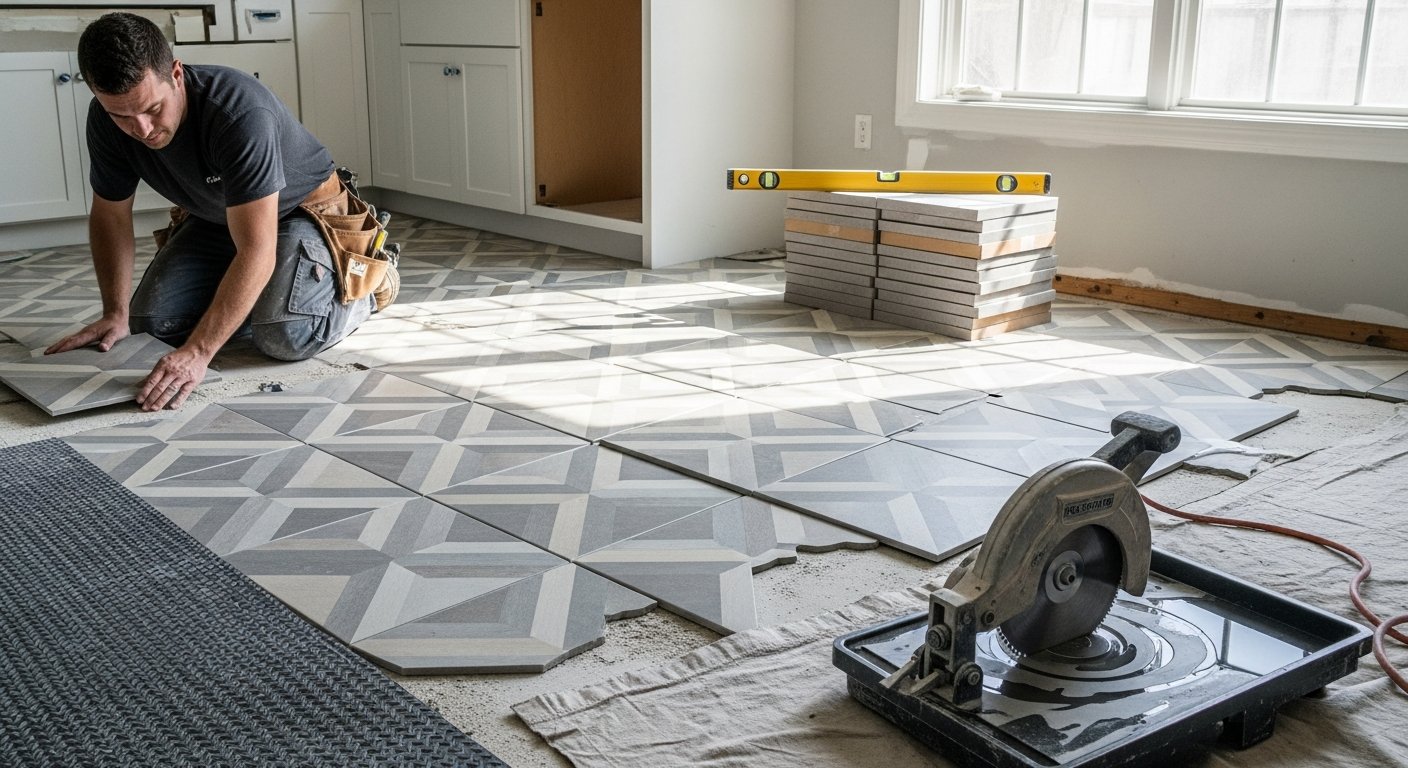
The process begins with preparing the subfloor. It must be clean, dry, and perfectly level. Any imperfections can cause the tile to crack or the grout to fail. A layer of cement backer board or a waterproof membrane is often installed to provide a stable base and prevent moisture from seeping through. Next, the installer will lay out the tile to ensure a balanced pattern and minimize cuts, especially in a visible area.
The tile is then set using a thin-set mortar adhesive, applied with a notched trowel. Each tile is pressed into the adhesive and spaced evenly with spacers to create uniform grout lines. The installer will periodically check for levelness and adjust as needed. After the mortar has cured, the spacers are removed, and grout is applied to fill the joints. The grout is then wiped clean, and once it has dried, a sealer may be applied to protect both the tile and the grout from stains and moisture.
One of the most common questions homeowners have is about the timeline. A standard 10x10 foot room might take a professional crew 2 to 3 days to complete, including the setting and grouting. However, the time can vary based on the complexity of the layout, the type of tile, and the condition of the subfloor. You should also expect to stay off the floor for at least 24 hours after installation, and avoid heavy foot traffic for up to 72 hours to allow the adhesive and grout to fully cure.
Tile Flooring Cost: Budgeting for Your Project
Understanding the costs associated with tile flooring is essential for planning your project. The total cost will depend on several factors, including the type of tile, the size of the area, the complexity of the installation, and your geographic location. On average, homeowners can expect to pay between $7 and $25 per square foot for a professionally installed tile floor.
The price of the tile itself varies widely. Ceramic tiles can range from $1 to $5 per square foot, while porcelain is typically $3 to $10 per square foot. Natural stone can be significantly more expensive, ranging from $5 to $30 or more per square foot, depending on the rarity and finish. Glass tile is also on the higher end, often $7 to $20 per square foot. Beyond the tile, you will need to budget for materials like thin-set mortar, grout, backer board, and sealant, which can add $1 to $2 per square foot.
Labor costs are another major component. Professional installation typically runs from $4 to $10 per square foot, but this can increase if the job is complex, such as installing large-format tiles, creating intricate patterns, or working with difficult-to-cut stone. It is always advisable to get multiple quotes from different contractors. This not only helps you find a competitive price but also gives you a sense of the experience and professionalism of the installers.
To get a more accurate estimate, consider using a lead generation platform like USremodel, which can connect you with vetted flooring contractors in your area. By submitting a simple form, you can receive free, customized quotes from multiple professionals, allowing you to compare prices and services without any obligation. This streamlined process can save you time and help you avoid the stress of finding a reliable contractor on your own.
Tips for Saving Money on Your Tile Project
Tile flooring can be a significant investment, but there are ways to manage the cost without compromising on quality. One effective strategy is to choose a mid-range porcelain tile that offers the look of more expensive stone or wood. Many manufacturers now produce highly realistic wood-look and stone-look tiles at a fraction of the cost of the real materials.
Another way to save is to be strategic about the layout. Opting for a simple straight lay pattern instead of a diagonal or herringbone pattern can reduce labor costs and waste. You can also save money by installing the tile yourself if you have the necessary skills. However, be honest about your abilities; a botched DIY installation can end up costing more to fix. Finally, consider the size of the tiles. While large-format tiles are popular, they can be more expensive and harder to install, which may increase labor costs. Smaller, standard-sized tiles are often more affordable to install.
Maintaining and Caring for Your Tile Floor
One of the greatest advantages of tile flooring is how easy it is to maintain. With regular, simple care, your tile floor can continue to look beautiful for decades. The first line of defense is routine cleaning. Sweeping or vacuuming on a regular basis will remove abrasive dirt and grit that can scratch the surface. For a deeper clean, a damp mop with a pH-neutral cleaner is all you need. Avoid using harsh chemicals or abrasive scrubbers, as they can damage the tile's finish.
Grout lines require a bit more attention. They are porous and can easily absorb stains. To keep them looking fresh, seal the grout after installation and reseal it every 12 to 18 months. For tough grout stains, a mixture of baking soda and water can be applied as a paste and scrubbed gently. If the grout becomes discolored or damaged over time, you can have it professionally cleaned or re-grouted to restore the floor's appearance.
In addition to cleaning, it is important to take preventive measures. Place doormats at entrances to trap dirt and moisture before it reaches the tile. Use felt pads under furniture legs to prevent scratches. If you drop a heavy or sharp object on the tile, it can chip or crack. In such cases, it is wise to keep a few extra tiles and some matching grout on hand for future repairs. A professional can often replace a single damaged tile without disturbing the rest of the floor.
Is Tile Flooring Right for Your Home?
Deciding whether tile is the right flooring for your home depends on your personal preferences, lifestyle, and the specific requirements of each room. If you value durability, low maintenance, and design versatility, tile is an excellent choice. It is particularly well-suited for kitchens, bathrooms, entryways, and mudrooms, where moisture and heavy foot traffic are common. It is also a great option for homes with allergy sufferers, as it does not harbor dust mites, pet dander, or mold.
However, if you prioritize softness and warmth underfoot, or if you are on a very tight budget, you might want to consider alternatives like luxury vinyl plank or laminate. These options can mimic the look of tile and wood at a lower cost, though they will not offer the same longevity or durability. Ultimately, the best way to decide is to weigh the pros and cons in the context of your own home and needs.
When you are ready to move forward, the next step is to find a qualified professional to handle the installation. A skilled installer can make all the difference in the final result. Instead of spending hours searching for a contractor on your own, consider using a service like USremodel. Their network includes experienced flooring contractors across the United States. By filling out a brief form, you can receive free, no-obligation quotes from several local professionals. This allows you to compare pricing, read reviews, and choose the contractor that best fits your project and budget, giving you peace of mind and ensuring your new tile floor is installed correctly.
Learn more about Tile Installation and Replacement for guides, costs, and what to expect.
Compare Tile Installation and Replacement Pros Near You
Enter your ZIP code to compare top-rated local professionals and request free quotes.