
Smart Home Integration in a Remodel: 2026 Guide
Plan your smart home integration during a remodel to save money, boost efficiency, and avoid costly retrofits. Learn key strategies here.
By Justin Blake
Learn more about Smart Home Installation or Repair for guides, costs, and what to expect.
Compare Smart Home Installation or Repair Pros Near You

Enter your ZIP code to compare top-rated local professionals and request free quotes.
Imagine walking into your freshly remodeled kitchen, and the lights gently brighten as your favorite playlist starts, the coffee maker begins brewing, and the thermostat adjusts to your preferred morning temperature. This level of seamless convenience is no longer a futuristic fantasy. It is the new standard for modern homes. However, integrating smart home technology during a remodel is not just about buying a few gadgets and plugging them in. It is about strategic planning, infrastructure, and design. When done correctly, it can boost your home's value, energy efficiency, and everyday comfort. When done poorly, it can lead to frustrating connectivity issues and costly retrofits. This guide will walk you through the essential steps to weave smart technology into your renovation project, ensuring a cohesive, functional, and future-ready living space.
Why a Remodel Is the Perfect Time for Smart Tech
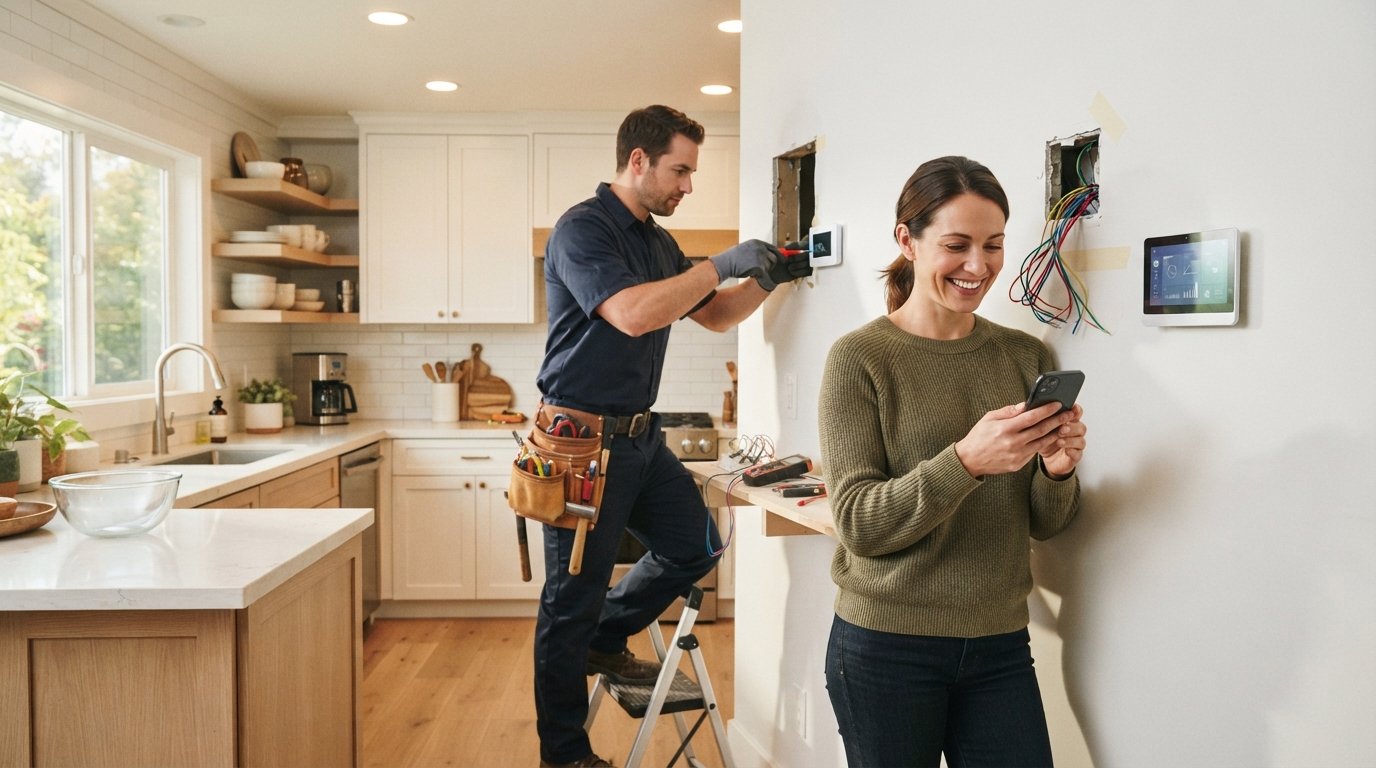
Undertaking a remodel opens up walls, exposes wiring, and gives you access to the bones of your home. This is the only time you can easily run new cables, install outlets in optimal locations, and plan for devices that need hardwired connections. Retrofitting these elements after the drywall is up is messy, expensive, and often impossible without significant damage. By integrating smart technology during the remodel phase, you are not just adding convenience; you are making a strategic investment in your property's infrastructure.
Moreover, a remodel is an opportunity to centralize your home's systems. Instead of managing multiple apps for lights, locks, thermostat, and security cameras, a well-planned smart home integrates these into a single hub or platform. This simplifies daily use and creates a cohesive ecosystem where devices can interact. For instance, your smart lock can trigger your security cameras to start recording, or your motion sensors can signal the lights to turn on as you enter a room. This level of automation is only achievable with careful planning and the right wiring and network setup during construction.
Additionally, smart home technology contributes significantly to energy efficiency. Smart thermostats learn your schedule and adjust heating and cooling accordingly, potentially saving you 10-15% on your energy bills. Smart lighting with occupancy sensors ensures lights are never left on in empty rooms. These small adjustments add up over time, offsetting some of the upfront costs of the technology and benefiting the environment. For homeowners considering solar panels or other renewable energy sources, a smart home system can optimize energy usage, making the most of the power you generate.
Pre-Planning: The Blueprint for Your Smart Home
Before you swing a hammer or choose a paint color, you need a comprehensive plan for your smart home integration. This plan should align with your lifestyle, budget, and long-term needs. Begin by listing the devices you want to include. This could range from smart speakers and displays in common areas to smart appliances in the kitchen, smart thermostats for HVAC control, smart lighting in every room, and security systems with cameras and smart locks. Consider not only the devices you want today but also those you might add in the future. Planning for extra capacity now will save you from major headaches later.
Choosing a Smart Home Ecosystem
One of the most critical decisions is selecting the ecosystem or platform that will control your devices. The three major players are Amazon Alexa, Google Home, and Apple HomeKit. Each has its strengths and compatibility requirements. Your choice will influence which devices you can buy and how you interact with them. For instance, if you are an Apple user, HomeKit offers the best integration with your iPhone and Siri. If you prefer Google's services, Google Home provides seamless integration with Android devices and Google Assistant. Amazon Alexa is known for its vast compatibility with third-party devices. It is wise to choose one primary ecosystem and stick with it to avoid fragmented control. Your contractor or a smart home installer can help you decide based on your preferences.
Another key element is the network infrastructure. A robust Wi-Fi network is the backbone of any smart home. During the remodel, consider installing a mesh Wi-Fi system or running Ethernet cables to strategic locations for access points. This ensures strong, reliable coverage throughout your home, even in areas with thick walls or multiple floors. If you are installing security cameras, especially outdoor ones, Power over Ethernet (PoE) is a reliable option, providing both power and data over a single cable. Plan these network upgrades as part of the electrical work to ensure everything is in place before the walls are closed.
Electrical and Wiring Considerations
Smart devices require power. Some use batteries, but many, like smart switches, outlets, and doorbells, need a wired connection. During a remodel, you have the unique opportunity to ensure that every location where you want a smart device has the necessary wiring. For smart switches, you will need a neutral wire in the electrical boxes. Older homes often lack this, so your electrician will need to run new wires. Plan for extra outlets in locations where you might place smart displays, hubs, or charging stations. For window treatments, consider installing power outlets near the top of the window frames for motorized shades. These small details make a significant difference in the final functionality of your smart home.
Lighting control is another area where wiring matters. Instead of simply installing smart bulbs, consider smart dimmers and switches. They offer more stable control and work with any LED bulb. Your electrician should install deep electrical boxes to accommodate the larger smart switches. Also, plan for the placement of sensors. Motion sensors for lighting or security should be placed high in corners or hallways, and you will need to run low-voltage wiring for them if they are not wireless. Wireless sensors are easier but may require battery changes. Wired sensors are more reliable but add to the installation complexity.
Integrating Smart Tech by Room
Now, let's break down how to integrate smart technology into specific areas of your remodel. Each room has unique opportunities to enhance comfort, convenience, and safety.
Kitchen and Living Area
The kitchen is often the heart of the home, and smart technology can make it more functional. Consider smart appliances like refrigerators with touchscreens that can display recipes and manage grocery lists, or ovens that can be preheated remotely via a smartphone app. Under-cabinet lighting with dimmers and color control can set the mood for cooking or entertaining. In the living area, a smart thermostat can adjust the temperature based on occupancy, and smart speakers can control music and provide information. A smart display near the entryway can serve as a central hub for controlling all devices and viewing security camera feeds. For the living room, consider a motorized projector screen that descends from the ceiling at the touch of a button, paired with smart lighting that dims automatically when the movie starts.
To make your kitchen and living area truly smart, ensure you have a dedicated space for a central hub, perhaps a shelf or a cabinet that houses your router and smart home controller. This area should have adequate ventilation and power. During the planning phase, think about how you use these spaces daily. For example, if you often cook with multiple recipes, having a voice assistant to read out steps can be invaluable. If you host gatherings, pre-set lighting scenes for different occasions, such as 'Movie Night' or 'Dinner Party', can enhance the ambiance.
Bedrooms and Bathrooms
In bedrooms, smart technology can improve sleep quality and morning routines. Smart blinds can be programmed to open gradually with the sunrise, and smart thermostats can cool the room to your preferred sleeping temperature. Smart lighting with warm color tones can help you wind down in the evening. Voice-controlled assistants can set alarms, read the news, or control the lights from the comfort of your bed. For bathrooms, a smart mirror with integrated lighting and a touchscreen can display the weather, news, or your calendar. Heated floors with smart controls can be programmed to warm up before you wake up. Smart ventilation fans can automatically turn on when humidity levels rise, preventing mold and mildew. These additions transform a mundane routine into a personalized experience.
When integrating technology into bathrooms, safety is paramount. Ensure all electrical outlets are GFCI-protected and placed at safe distances from water sources. Consider installing a waterproof speaker in the ceiling or a smart shower system that allows you to set the water temperature and flow via voice or app. These features not only add convenience but also increase the resale value of your home, appealing to tech-savvy buyers. Always consult with your contractor about the best practices for installing electronics in wet areas.
Security and Energy Efficiency
Smart security is a major selling point for modern homes. During a remodel, you can integrate a comprehensive security system that includes smart doorbells with cameras, video doorbells, and smart locks. For a more robust setup, consider wired security cameras with high-definition video and night vision. These can be connected to a central hub or your smartphone, allowing you to monitor your home from anywhere. Smart locks with keyless entry provide convenience and eliminate the need for physical keys. You can issue temporary access codes to guests or service providers, which can be revoked at any time.
Energy efficiency goes beyond smart thermostats. Smart lighting with occupancy sensors ensures lights are never left on in empty rooms. Smart plugs can turn off vampire electronics when not in use. You can also integrate smart blinds and shades that automatically adjust based on the sun's position, reducing heat gain in summer and retaining heat in winter. When combined with a smart thermostat that learns your schedule, these devices can significantly reduce your utility bills. For homeowners interested in solar energy, a smart energy management system can monitor your solar production and consumption, optimizing when to use stored energy versus drawing from the grid. This holistic approach not only saves money but also reduces your carbon footprint.
To ensure your smart security and energy systems work flawlessly, it is crucial to have a reliable network. Consider using a mesh Wi-Fi system or hardwiring your security cameras and sensors. Many security systems now offer cellular backup to ensure they remain operational even during a power or internet outage. During the remodel, plan for a central location for your security hub, ideally near your router. This will ensure low latency and reliable communication between devices.
Working with Your Contractor
Successful smart home integration hinges on collaboration with your contractor. You need a contractor who understands the complexities of low-voltage wiring, network setup, and the specific requirements of smart devices. When interviewing contractors, ask about their experience with smart home installations. A good contractor will help you plan the infrastructure, coordinate with electricians and low-voltage specialists, and ensure that everything is installed and configured correctly. They can also advise on the best products that are compatible with your chosen ecosystem.
In our guide on how general contractors simplify home remodeling, we emphasize the importance of clear communication and detailed planning. Bring your smart home plan to your initial meetings. Discuss the exact locations for outlets, switches, and sensors. Ensure your contractor understands the need for neutral wires, proper box sizes, and network cabling. A professional will incorporate these into the project timeline and budget. They will also help you sequence the installation, ensuring that network infrastructure is set up before drywall is installed. This coordination is key to avoiding delays and cost overruns.
Furthermore, your contractor can help you future-proof your home. This might involve running conduit or extra Cat6 cables to rooms where you might add devices later. It is much cheaper to install these during the remodel than to retrofit them later. They can also ensure that all devices are installed per manufacturer specifications, which is crucial for warranty and safety. Remember, a smart home is only as good as its installation. Poorly placed sensors or misconfigured devices can lead to frustration. A qualified professional will ensure everything works seamlessly from day one.
The Cost and ROI of Smart Integration
Adding smart home technology to a remodel does increase the upfront cost. However, it is an investment that pays off in several ways. The cost of smart devices varies widely, from budget-friendly smart plugs to high-end smart appliances. On average, homeowners spend between 1% and 5% of their remodel budget on smart technology. This includes the devices, wiring, and installation labor. For a $50,000 kitchen remodel, this could be between $500 and $2,500. While this is a significant amount, the benefits often outweigh the costs.
The return on investment (ROI) comes from increased home value, energy savings, and convenience. Smart home features are increasingly sought after by homebuyers. A study by the National Association of Realtors found that 44% of buyers are willing to pay more for a home with smart home technology. Even simple features like smart thermostats and doorbells can boost a home's appeal. Energy savings, as mentioned earlier, can amount to hundreds of dollars per year. Over time, these savings can offset the initial cost. Additionally, smart home technology can offer peace of mind through enhanced security and remote monitoring, which is invaluable.
When budgeting, consider a phased approach. You don't have to install every smart device at once. Focus on the infrastructure, like wiring and network, which is hard to change later. Then, you can add devices gradually. For example, you might install smart switches everywhere but only connect some to your hub initially. This allows you to spread the cost over time. Also, look for rebates and incentives from utility companies for installing energy-efficient devices. Some insurance companies offer discounts for homes with smart security systems. These savings can make the investment more affordable.
When selecting products, prioritize quality and compatibility. Choose devices that work with your chosen ecosystem and have a good track record. Reading reviews and consulting with your contractor can help you make informed decisions. Remember, the cheapest option is not always the best. Investing in reliable, well-supported products ensures your smart home functions smoothly for years to come. If you are planning a major remodel, consider consulting with a smart home professional. They can design a system tailored to your needs and budget, ensuring you get the most out of your investment.
Future-Proofing and Final Thoughts
The smart home landscape is constantly evolving. New standards like Matter and Thread are emerging to improve interoperability between devices. To future-proof your home, design your system to be flexible. Use hubs and bridges that can be updated, and choose devices that support these new standards. Also, ensure your network can handle the increasing number of connected devices. A mesh Wi-Fi system with Wi-Fi 6 or 6E is a good investment. During the remodel, run extra Ethernet cables to key locations, as wired connections are always more stable than wireless.
Finally, remember that a smart home should simplify your life, not complicate it. Start with a few essential devices that you will use daily, and expand from there. Take the time to learn how to use the features and create automations that work for you. As you become more comfortable, you can add more devices and create more advanced routines. The goal is to create a home that anticipates your needs and enhances your comfort, security, and energy efficiency. By integrating smart home technology during your remodel, you are making a wise investment in your home's future. For expert guidance and professional installation, consider reaching out to a trusted remodeling service like 180Remodel, which can help you navigate the complexities and bring your smart home vision to life.
In conclusion, integrating smart home technology during a remodel is a smart strategy that can transform your living space. It requires careful planning, a robust network, and the right wiring. By working closely with your contractor and making informed choices, you can create a home that is not only beautiful and functional but also intelligent and efficient. The key is to plan ahead, choose a cohesive ecosystem, and focus on infrastructure. With these elements in place, you will enjoy the benefits of a connected home for many years to come.
Learn more about Smart Home Installation or Repair for guides, costs, and what to expect.
Compare Smart Home Installation or Repair Pros Near You
Enter your ZIP code to compare top-rated local professionals and request free quotes.