
Seasonal Home Maintenance Checklist for Homeowners
Use this seasonal home maintenance checklist for homeowners to prevent costly repairs and protect your home value all year long.
By Alexia Mabel
Learn more about Handyman for guides, costs, and what to expect.
Compare Handyman Pros Near You

Enter your ZIP code to compare top-rated local professionals and request free quotes.
Your home is likely your largest investment, and it silently endures everything each season throws at it: driving rain, freezing nights, blistering sun, and everything in between. Small problems you ignore in spring can become expensive emergencies by winter, and most homeowners only discover them after the damage is done. A seasonal home maintenance checklist for homeowners changes that dynamic. Instead of reacting to leaks, drafts, and cracked siding, you stay one step ahead, protecting both your comfort and your property value.
The idea is simple: break home care into four manageable seasonal cycles, each timed to the weather, and each focused on the systems most vulnerable during that stretch of the year. This guide walks you through what to check, when to check it, and when to stop DIY troubleshooting and call a licensed professional. Where repairs or upgrades are needed, USremodel can connect you with vetted local contractors and free, customized quotes, so you are never guessing about cost or quality.
Why a Seasonal Home Maintenance Checklist Matters
Homes are engineered systems, not static structures. Roofs expand and contract with temperature swings, gutters fill with debris, HVAC filters clog, and caulk lines dry out and crack. Each of these small failures accelerates the next one. A clogged gutter, for example, sends water into your fascia boards, which rots the wood and eventually compromises the roof edge. A dirty HVAC filter forces your system to work harder, raising energy bills and shortening equipment life.
Seasonal maintenance interrupts that chain reaction. According to housing industry data, homeowners who follow a regular maintenance schedule spend significantly less on emergency repairs over time and preserve resale value more effectively. Lenders, inspectors, and buyers all look for evidence that a home has been cared for, and a documented maintenance routine is one of the strongest signals you can offer.
There is also a financial argument. A $200 professional roof inspection that catches a failing flashing today can prevent a $3,000 ceiling repair later. The same logic applies to plumbing, HVAC, and electrical systems. Maintenance is not an expense; it is insurance you control.
Spring Home Maintenance Checklist
Spring is recovery season. Winter has just finished stressing your roof, gutters, foundation, and exterior surfaces, and the thaw often reveals damage that was invisible in the cold. Spring is also the ideal time to prepare for summer heat, when your cooling system and exterior paint will take the hardest hits.
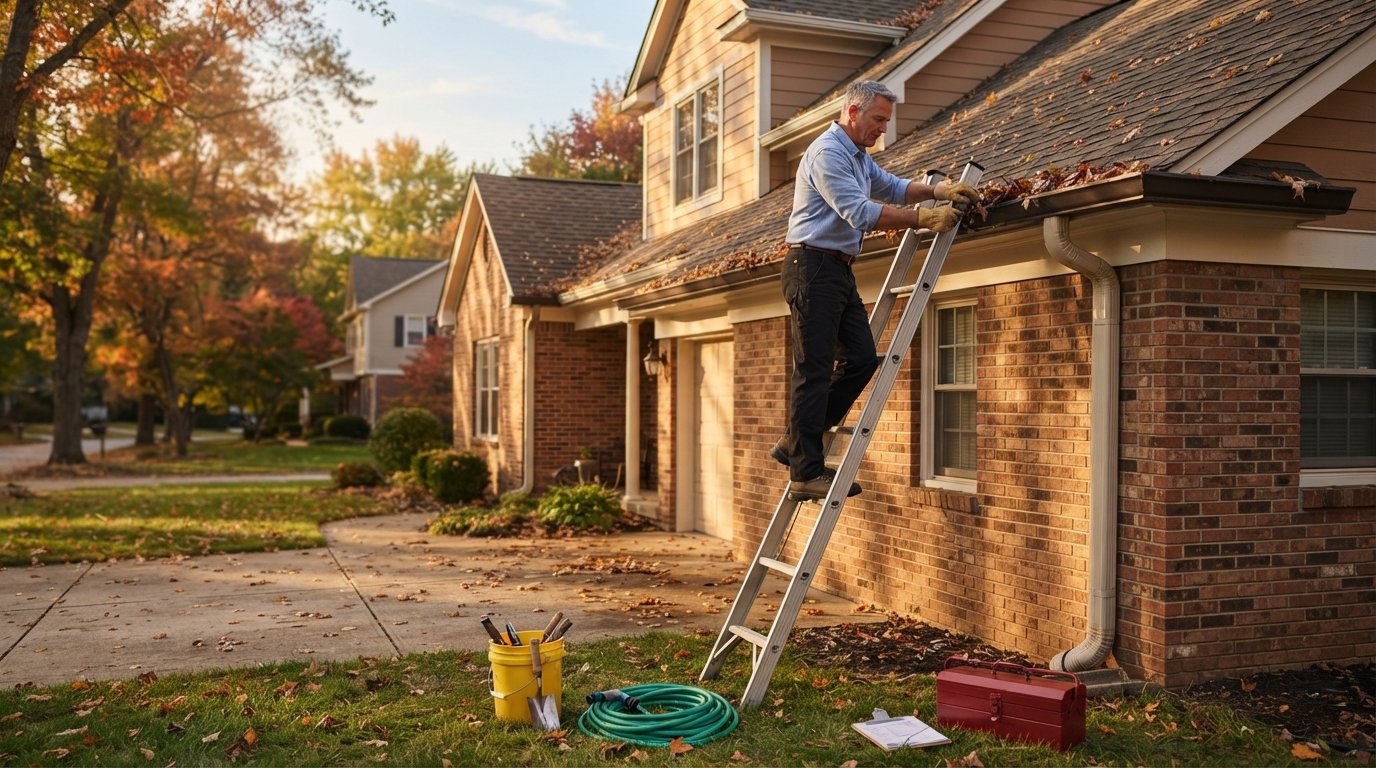
Start outside. Walk the perimeter of your home and look for cracked or displaced siding, loose shingles, and any signs of water staining under eaves. Clear gutters and downspouts of leaves and debris, and confirm that water is draining at least several feet away from the foundation. Check caulk and weatherstripping around windows and doors, since winter temperature swings frequently open small gaps that let in moisture and pests.
Inside, focus on air quality and cooling performance. Replace HVAC filters, schedule a professional tune-up before the first heat wave, and test smoke and carbon monoxide detectors. If your home has a sump pump, test it now, because spring storms are its busiest season.
Here is a practical spring checklist you can work through in a weekend:
- Inspect the roof and attic for winter damage, leaks, or pest entry points.
- Clean gutters, downspouts, and any drainage channels.
- Service the air conditioning system and replace filters.
- Check exterior paint, caulk, and window seals for cracks.
- Test smoke detectors, carbon monoxide alarms, and sump pumps.
If any item on that list turns up a problem you cannot safely fix, such as roof damage, failing seals, or HVAC issues, that is the moment to bring in a professional. Many homeowners use this point in the year to request multiple quotes for roofing or HVAC work through a single platform, which saves both time and money.
Summer Home Maintenance Checklist
Summer is when your home works hardest to stay cool, and when UV exposure does the most damage to exterior surfaces. The goal of summer maintenance is to reduce strain on cooling systems, protect outdoor structures, and catch issues that heat tends to expose.
Air conditioning is the priority. Keep filters clean, keep the outdoor condenser unit clear of grass and debris, and listen for unusual noises that suggest a failing component. If your system struggles to keep up, a professional inspection is far cheaper than a mid-August breakdown. Summer is also a good time to check attic ventilation and insulation, because trapped heat shortens roof life and drives up cooling costs.
Outside, inspect decks, porches, fences, and driveways for cracking, warping, or loose fasteners. High heat and UV rays break down sealants and stain, so a fresh coat of exterior paint or deck sealant applied in early summer can add years of life. Water the foundation during droughts to reduce soil shifting, and check irrigation systems for leaks or broken heads.
Summer is also the best season for projects that require dry, warm conditions, such as painting, flooring installation, and window replacement. If you are planning an interior refresh this year, our guide on professional interior painting explains how to prepare, what to expect, and why hiring a qualified painter protects your walls and your budget.
Fall Home Maintenance Checklist
Fall is the most important maintenance season of the year. Everything you do now determines how well your home survives winter. The checklist is longer, but the payoff is enormous: fewer frozen pipes, fewer ice dams, and fewer emergency calls in January.
Begin with the roof and gutters again, because falling leaves undo your spring work quickly. Trim tree branches that overhang the house, seal gaps around pipes and vents, and have your chimney inspected and cleaned if you use a fireplace. Schedule a heating system tune-up before the first cold snap, and replace furnace filters. Drain and store garden hoses, shut off exterior water lines, and insulate exposed pipes in crawl spaces and garages.
Weatherstripping and insulation deserve special attention in fall. Sealing air leaks around doors, windows, and attic hatches can cut heating costs noticeably, and adding insulation where it is thin keeps heat where it belongs. If your windows are old, drafty, or single-pane, fall is the ideal time to explore replacement options before winter exposes every flaw.
Consider this fall priority list:
- Clean gutters and downspouts after leaf fall.
- Schedule HVAC heating tune-up and replace filters.
- Seal air leaks and add insulation where needed.
- Inspect the roof, chimney, and flashing for damage.
- Winterize exterior plumbing and store seasonal equipment.
Many of these tasks, especially roofing, window replacement, and HVAC work, are best handled by licensed contractors who can spot problems you might miss. When you are ready to compare options, getting multiple quotes from independent professionals in your area is the fastest way to find fair pricing and reliable workmanship.
Winter Home Maintenance Checklist
Winter maintenance is mostly about vigilance and prevention. Your home is under constant pressure from cold, snow, ice, and wind, and small failures can escalate fast. The goal is to monitor systems, prevent freeze damage, and stay ready for storms.
Keep heating filters clean and watch for ice dams along the roof edge, which signal poor attic insulation or ventilation. Test your sump pump and generator if you have one, and keep snow cleared from vents, exhaust pipes, and basement windows. Inside, watch for condensation on windows, which often indicates excess humidity or failing seals, and check under sinks for slow drains or leaks that cold weather can worsen.
If you experience a plumbing emergency, such as a burst pipe, shut off the water immediately and call a professional. Winter is the season when emergency repair services matter most, and having a trusted contractor contact on hand before you need one makes a stressful situation far more manageable.
Winter is also a smart time to plan next year's projects. Contractors are often less booked, and you can research costs, compare materials, and line up quotes for spring. If you are considering a larger renovation, working with a platform that connects homeowners to a nationwide network of remodeling professionals, such as 180Remodel, can streamline the process and help you compare qualified contractors in one place.
Monthly Maintenance Habits That Support Every Season
A seasonal checklist is powerful, but it works even better when paired with a few simple monthly habits. These small routines catch problems early and keep your seasonal tasks from becoming overwhelming.
Each month, check HVAC filters, test smoke and carbon monoxide detectors, look for leaks under sinks and around the water heater, and inspect the exterior for new cracks or damage. Keep a simple log of what you check and when, along with receipts for professional services. That record is invaluable when you sell your home or file an insurance claim.
It also helps to set calendar reminders for the big seasonal transitions: early spring for roof and AC, late summer for heating prep, and late fall for winterization. Homeowners who automate these reminders rarely miss critical tasks, and they spend far less time worrying about what they might have forgotten.
When to Call a Professional Instead of DIY
Not every maintenance task belongs on your personal to-do list. Some jobs require licensing, specialized tools, or safety training, and attempting them yourself can void warranties or create bigger problems. As a general rule, call a professional for anything involving the roof, electrical panel, gas lines, HVAC refrigerant, structural repairs, or major plumbing.
Cosmetic and low-risk tasks, such as painting, caulking, cleaning gutters from the ground with proper equipment, and replacing filters, are reasonable DIY projects. Everything else deserves a qualified contractor. The challenge for most homeowners is not deciding whether to hire help; it is finding reliable help at a fair price.
That is where a lead generation platform like USremodel adds real value. Instead of calling contractor after contractor and waiting days for callbacks, you submit your project once and receive multiple customized quotes from independent local professionals. The service is free for homeowners, and it covers everything from roofing, windows, and HVAC to flooring, painting, plumbing, and full remodels.
Before hiring anyone, verify licensing and insurance, ask for references, get everything in writing, and never pay the full amount upfront. A good contractor welcomes these questions, and a professional network that pre-screens providers saves you from the most common hiring mistakes.
Turn Your Checklist Into Long-Term Savings
A seasonal home maintenance checklist for homeowners is not about perfection. It is about consistency. Four focused weekends a year, plus a handful of monthly habits, can prevent the majority of costly home emergencies and keep your property in strong condition for decades.
Start with the season you are in right now. Work through the list, note what needs attention, and handle the urgent items first. For everything beyond your comfort zone, compare quotes from licensed local contractors and let professionals handle the work. Your home will reward you with lower bills, fewer surprises, and lasting value.
Learn more about Handyman for guides, costs, and what to expect.
Compare Handyman Pros Near You
Enter your ZIP code to compare top-rated local professionals and request free quotes.