
Preventing Water Damage: Proactive Plumbing Maintenance Guide
Preventing water damage proactive plumbing maintenance saves thousands in repairs. Learn essential steps to protect your home and avoid surprise bills.
By Eric Andrew
Learn more about Plumbing Inspection for guides, costs, and what to expect.
Compare Plumbing Inspection Pros Near You

Enter your ZIP code to compare top-rated local professionals and request free quotes.
Water damage is one of the most destructive and expensive problems a homeowner can face. It often starts silently behind a wall or under a sink, and by the time you notice the signs, the repair bill can run into thousands of dollars. The good news is that most catastrophic water damage events are preceded by warning signs that go unnoticed or ignored. By adopting a proactive plumbing maintenance routine, you can catch small issues before they become emergencies, protect your home's value, and avoid the stress of sudden, costly repairs.
This guide will walk you through the essential steps of preventing water damage proactive plumbing maintenance. You will learn how to inspect your system, identify risk areas, and understand when to call a professional. While some basic checks are homeowner-friendly, complex repairs and installations are best left to licensed experts. If you need help finding a qualified plumber, USremodel can connect you with top-rated local contractors for free quotes.
Why Proactive Plumbing Maintenance Matters for Your Home
Many homeowners take a reactive approach to plumbing: they only call a professional when a pipe bursts or a drain backs up. This approach is risky and expensive. Proactive maintenance flips the script by treating your plumbing system like any other critical home asset that needs regular care. Just as you change the oil in your car to prevent engine failure, you should inspect and maintain your pipes, fixtures, and appliances to prevent water damage.
The financial impact of water damage is staggering. According to industry data, water damage and freezing account for a significant portion of homeowner insurance claims. Beyond the immediate repair cost, you may face mold remediation, structural repairs, and increased insurance premiums. By investing a small amount of time and money into routine maintenance, you can avoid these headaches and keep your home safe and dry.
Regular maintenance also extends the lifespan of your plumbing system. Pipes, water heaters, and fixtures have a limited lifespan, but with proper care, you can maximize their useful life and delay costly replacements. Furthermore, a well-maintained plumbing system operates more efficiently, which can lower your water bills and reduce energy consumption. When you are preventing water damage proactive plumbing maintenance becomes a smart financial decision.
Essential Steps for Proactive Plumbing Maintenance
You do not need to be a plumbing expert to perform basic maintenance. However, you do need to be consistent and know what to look for. The following steps form the foundation of a proactive plumbing maintenance plan. Aim to perform these checks at least twice a year, and always after extreme weather events.
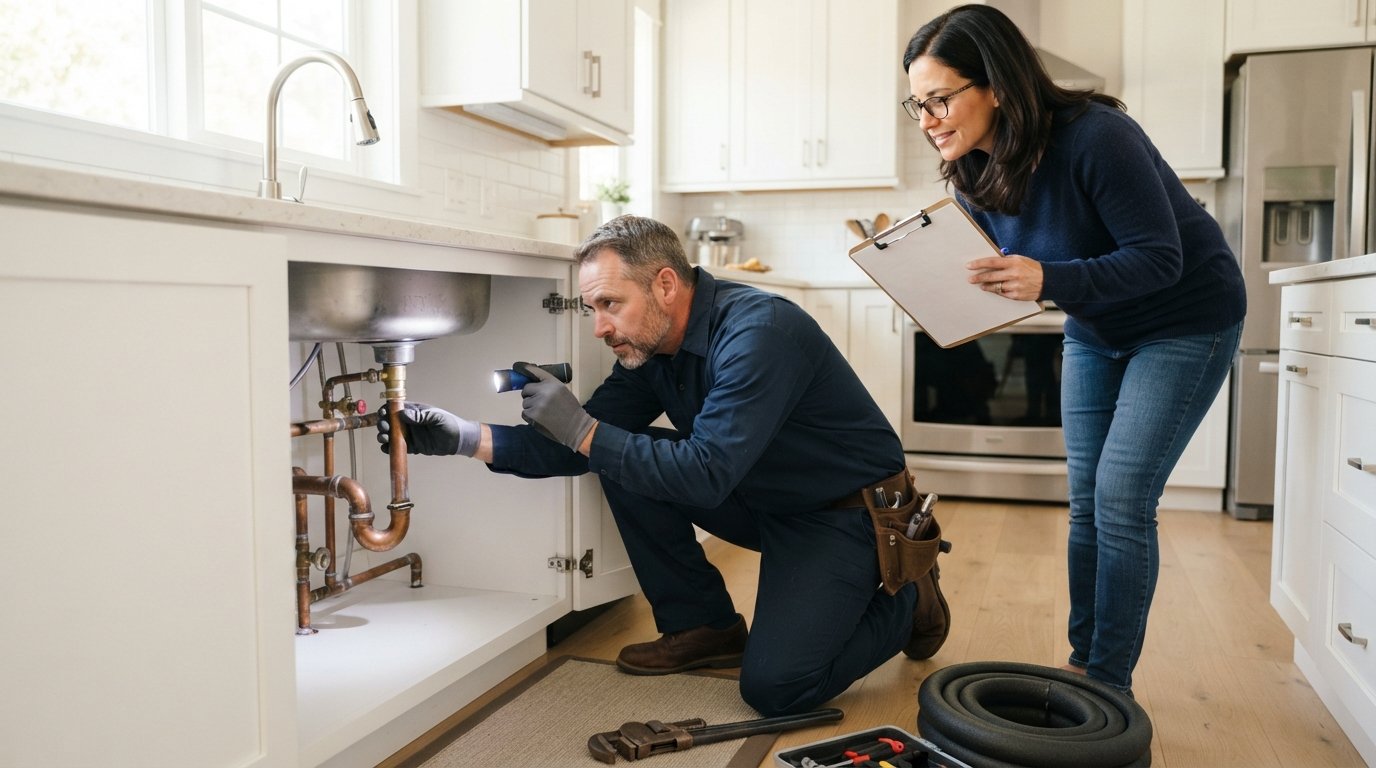
- Inspect under sinks and around appliances: Check for leaks, water stains, or corrosion on pipes and supply lines under kitchen and bathroom sinks. Look behind your washing machine, dishwasher, and refrigerator for signs of moisture.
- Test water pressure: High water pressure can stress pipes and cause leaks. Use a pressure gauge (available at hardware stores) to check your home's water pressure. It should be between 40 and 60 psi. If it is higher, install a pressure-reducing valve.
- Check the water heater: Inspect the tank for rust, corrosion, or leaks. Test the temperature and pressure relief valve annually by lifting the lever and letting it snap back. Drain a few gallons from the tank to remove sediment.
- Clean drain strainers and pour hot water: Remove hair and debris from shower and sink strainers weekly. Once a month, pour a kettle of boiling water down drains to melt grease and prevent clogs. Avoid chemical drain cleaners, which can damage pipes.
- Inspect exposed pipes: In basements, crawl spaces, and utility rooms, look for signs of leaks, condensation, or corrosion. Insulate pipes in unheated areas to prevent freezing.
These five steps take less than an hour to complete but can save you thousands of dollars in water damage repairs. Make them part of your seasonal home maintenance routine. If you notice anything unusual, such as unexplained spikes in your water bill or musty odors, investigate immediately or call a professional.
For more detailed guidance on specific plumbing services and when to call a pro, see our guide on essential plumbing services for homeowners.
Identifying Hidden Leaks and Early Warning Signs
Not all leaks are obvious. Many develop slowly behind walls, under floors, or in ceilings, causing damage long before you see a puddle. Knowing the early warning signs of hidden leaks is crucial for preventing water damage proactive plumbing maintenance. If you spot any of these indicators, act quickly to avoid major damage.
One of the most common signs is a sudden increase in your water bill without a corresponding increase in usage. Check your water meter when no water is running in the house. If the meter is still moving, you likely have a leak. Other signs include musty odors, mold growth on walls or ceilings, peeling paint or wallpaper, and warped or buckling floors. You might also hear the sound of running water when all fixtures are off.
To pinpoint hidden leaks, you can use a few simple techniques. Check your toilets for silent leaks by adding food coloring to the tank and waiting 15 minutes. If color appears in the bowl without flushing, the flapper valve is leaking. For larger leaks, a professional plumber can use advanced tools like acoustic listening devices and thermal imaging cameras to locate the source without tearing apart your walls.
When to Call a Professional Plumber
While basic maintenance is homeowner-friendly, some tasks require the expertise of a licensed plumber. Attempting complex repairs yourself can lead to further damage, personal injury, or code violations. Knowing when to call a professional is a key part of proactive maintenance.
You should call a plumber if you notice any of the following: persistent low water pressure, sewage odors, slow drains throughout the house, a water heater that is not producing enough hot water or is leaking, or any signs of water damage on walls or ceilings. Additionally, if your home is older and has galvanized or polybutylene pipes, a plumber should inspect them for potential failure.
Professional plumbers also perform annual maintenance tasks that go beyond DIY checks. They can inspect your main sewer line with a camera, test backflow preventers, and assess the overall health of your plumbing system. These services can identify problems before they become emergencies. If you need to find a reliable plumber in your area, 180Remodel offers a network of trusted contractors for various home services including plumbing and remodeling.
Seasonal Plumbing Maintenance Checklist
Plumbing systems face different stresses depending on the season. A seasonal maintenance checklist helps you stay ahead of potential issues. Use the following as a guide, and adjust based on your climate and home type.
- Spring: Check for winter damage, inspect outdoor faucets and irrigation systems, clean gutters and downspouts, and test sump pumps.
- Summer: Monitor water pressure, check for leaks in hoses and sprinklers, and inspect washing machine hoses for cracks.
- Fall: Insulate exposed pipes, disconnect garden hoses, drain outdoor lines, and have your heating system serviced.
- Winter: Protect pipes from freezing, keep cabinet doors open to allow warm air to circulate, and know where your main water shut-off valve is located.
Following a seasonal checklist ensures that you address the unique risks of each season. For example, frozen pipes are a major cause of water damage in winter, while summer storms can overwhelm sump pumps. By preparing in advance, you can prevent costly emergencies.
Invest in Water Leak Detection Devices
Technology has made it easier than ever to protect your home from water damage. Water leak detection devices can alert you to problems before they escalate. These devices range from simple battery-operated alarms that sound when they detect moisture, to smart systems that connect to your Wi-Fi and send alerts to your phone.
Some smart water shut-off valves can automatically turn off your water supply if they detect a leak, preventing catastrophic flooding. These devices are especially useful for vacation homes or if you travel frequently. While they require an upfront investment, the peace of mind and potential savings on insurance premiums often justify the cost.
When installing these devices, follow the manufacturer's instructions carefully. For complex installations or if you are unsure, hire a licensed plumber. A professional can also help you integrate leak detection into your overall plumbing maintenance plan.
The Role of Regular Professional Inspections
Even the most diligent homeowner can miss subtle signs of plumbing problems. That is why scheduling regular professional inspections is a cornerstone of proactive maintenance. A licensed plumber can perform a thorough evaluation of your system, including areas that are difficult to access.
During an inspection, the plumber will check for leaks, corrosion, blockages, and worn parts. They will test water pressure, inspect the water heater, and examine the main sewer line. They can also advise you on upgrades or repairs that will improve efficiency and prevent future issues. Many plumbing companies offer annual maintenance plans that include inspections and priority service.
Professional inspections are particularly important if your home is more than 20 years old or if you have recently purchased a previously owned home. The cost of an inspection is minimal compared to the cost of repairing water damage. Make it a habit to schedule an inspection every one to two years.
Preventing Water Damage proactive plumbing maintenance: A Smart Investment
Preventing water damage proactive plumbing maintenance is not just a chore; it is an investment in your home's safety and value. By taking a proactive approach, you can avoid the financial and emotional toll of water damage. You will also enjoy a more efficient plumbing system and peace of mind knowing that you are protecting your most valuable asset.
Start by implementing the simple steps outlined in this guide. Set reminders for seasonal checks, monitor your water bill, and do not ignore small leaks. When you need professional help, whether for a routine inspection or an emergency repair, USremodel can connect you with qualified contractors in your area. Remember, the best time to address a plumbing issue is before it becomes a disaster.
Learn more about Plumbing Inspection for guides, costs, and what to expect.
Compare Plumbing Inspection Pros Near You
Enter your ZIP code to compare top-rated local professionals and request free quotes.