
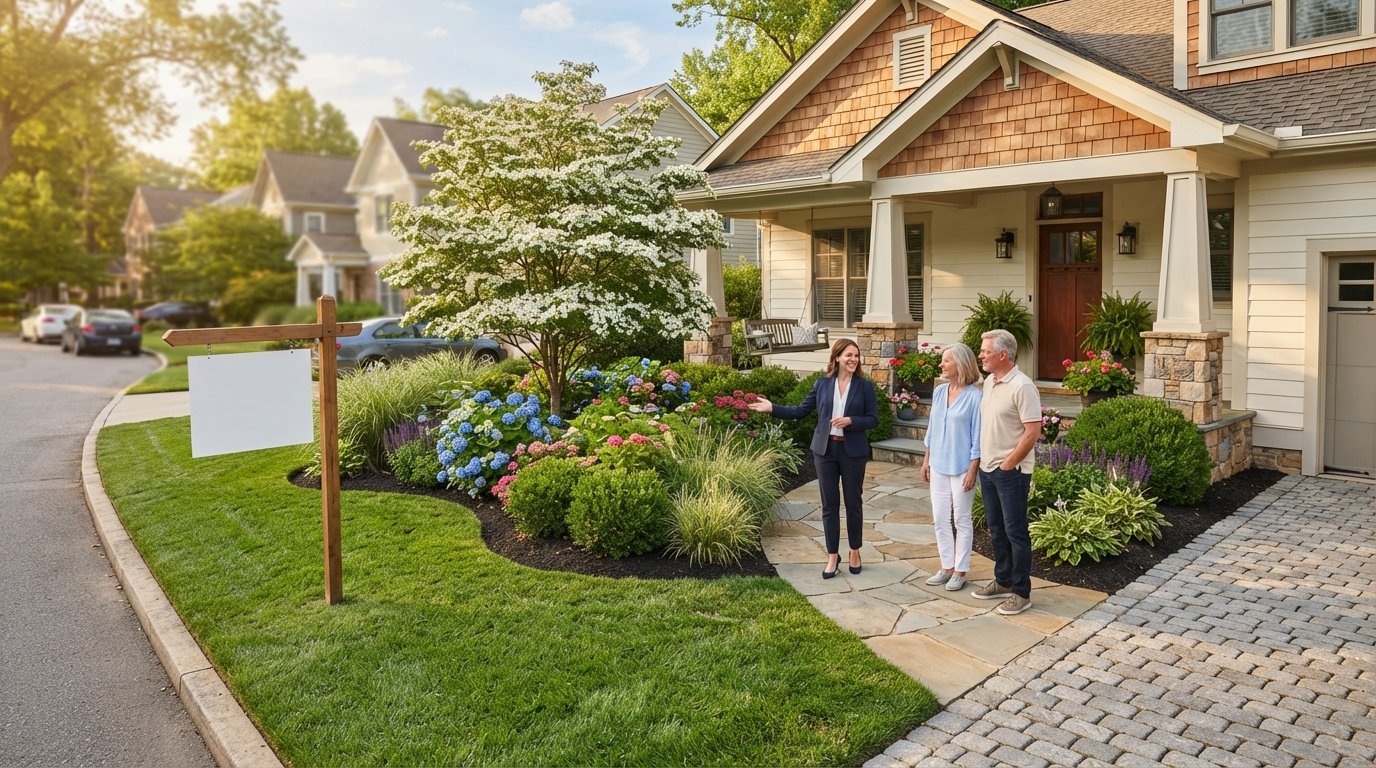
Landscaping Upgrades That Increase Home Value in 2026
Strategic landscaping upgrades can add 5% to 15% to your home's value. See which projects deliver the strongest return and which ones to skip.
By Justin Blake
Learn more about Outdoor Landscaping and Design for guides, costs, and what to expect.
Compare Outdoor Landscaping and Design Pros Near You

Enter your ZIP code to compare top-rated local professionals and request free quotes.
Your front yard is the first thing buyers see, and it shapes their first impression before they ever step inside. According to the National Association of Realtors, a well-maintained landscape can add anywhere from 5% to 15% to a home's perceived value, and some studies put the return on investment for basic lawn and plant care even higher. If you are planning to sell, refinance, or simply want to build equity in your property, strategic landscaping upgrades are one of the most reliable ways to get a strong return. This guide breaks down which projects actually move the needle, which ones are overrated, and how to plan your spending so every dollar works harder for you.
Why Curb Appeal Drives Real Dollars
Real estate agents repeat the phrase "curb appeal" so often that it can start to sound like a cliche, but the data behind it is stubbornly consistent. Buyers decide within seconds whether a home feels cared for, and that snap judgment influences how much they are willing to offer. A cracked walkway, patchy lawn, or overgrown shrubs signals deferred maintenance, which makes buyers either walk away or submit lowball offers designed to cover unknown repair costs.
Beyond the psychology, landscaping upgrades also function as an appraisal input. Professional appraisers look at the condition of the site, the quality of hardscaping, and whether the outdoor space is functional and consistent with the neighborhood. Homes in the same subdivision can appraise differently based on nothing more than the condition of the yard and the presence of features like a patio or mature trees.
For homeowners who want a broader view of which renovations deliver the best returns, our guide on what upgrades increase home value covers interior and exterior projects side by side, which helps you prioritize where to spend first.
Landscaping Upgrades That Increase Home Value Most Reliably
Not every landscaping project pays you back. Water features, elaborate koi ponds, and highly personalized theme gardens often cost more than they return because they narrow the pool of buyers who want to maintain them. The upgrades below have the strongest track record for both appraisal lift and buyer appeal.
1. A Healthy, Well-Maintained Lawn
Before you spend a dollar on hardscaping or lighting, get the lawn right. A thick, green, weed-free lawn is the single most visible sign of a well-cared-for home, and it is also the cheapest upgrade to implement because it is mostly about consistent maintenance rather than construction. Overseeding in the fall, aerating compacted soil, repairing bare patches, and installing a simple irrigation system can transform a yard in a single season.
If your soil is poor or the lawn has been neglected for years, professional help is worth the investment. Many homeowners use platforms like 180Remodel to compare local landscaping and lawn care professionals, which takes the guesswork out of finding someone licensed and insured. The cost of a professional lawn renovation is usually a fraction of what you would spend replacing dead sod twice because the underlying soil problems were never fixed.
2. Native Plants and Low-Maintenance Garden Beds
Buyers in drought-prone regions, and increasingly in most markets, prefer landscapes that do not require constant watering and chemical treatments. Native plants and drought-tolerant perennials signal low maintenance and lower utility bills, which is a genuine selling point rather than a cosmetic one. Well-defined garden beds with fresh mulch also create visual structure that makes a yard look intentional rather than accidental.
When you design beds, group plants by water needs so irrigation can be zoned efficiently. Add a border of edging, whether stone, steel, or composite, to keep grass from creeping in and to give the beds a crisp line. This single detail often reads as "professionally designed" to buyers even when the plant selection itself is simple.
3. Hardscaping: Patios, Walkways, and Retaining Walls
Hardscaping is where landscaping upgrades start to look like real construction, and it is also where the returns get interesting. A well-built patio extends usable living space outdoors, which buyers value almost as much as an extra room. Paver walkways improve safety and accessibility, while retaining walls solve drainage and erosion problems that would otherwise scare off inspectors and buyers.
Materials matter for resale. Natural stone and high-quality concrete pavers hold up better than loose gravel or cheap stamped concrete, and they photograph well for listings. If your budget is tight, prioritize the front walkway and entry area first, because that is the path every buyer walks during a showing.
4. Landscape Lighting
Landscape lighting is one of the highest-return, lowest-cost upgrades on this list. A few well-placed path lights, uplights on trees, and a warm fixture near the front door can make a home look dramatically more expensive at night, and evening showings are increasingly common. LED fixtures cost little to run, last for years, and can be installed in a weekend.
Keep the design restrained. The goal is to highlight architecture and guide movement, not to turn the yard into a carnival. Warm white light (around 2700K to 3000K) flatters both plants and building materials, while cool blue-white light tends to look institutional.
5. Trees for Shade and Long-Term Value
Mature trees are among the few landscaping assets that appreciate over time. A well-placed shade tree can lower cooling costs, reduce glare, and add tens of thousands of dollars to a property's value in some markets. If your yard lacks trees, plant now even if you plan to sell in several years, because buyers pay a premium for established canopies.
Choose species that are appropriate for your climate and soil, and plant them away from foundations, driveways, and sewer lines. A certified arborist can help you select the right tree and location, which prevents expensive removal later.
A Practical Framework for Prioritizing Your Spend
Most homeowners cannot do everything at once, so the question becomes what to tackle first. A simple way to decide is to rank each potential project by three factors: visibility from the street, cost per square foot, and maintenance burden for the next owner. Projects that score high on visibility and low on maintenance tend to deliver the best returns.
Here is a sequence that works for most homes, from highest priority to lowest:
- Fix the basics: repair bare spots in the lawn, prune overgrown shrubs, refresh mulch, and pressure wash walkways and siding.
- Define the entry: upgrade the front walkway, add lighting, and clean up the area around the front door.
- Add usable space: install or repair a patio, deck, or seating area that buyers can imagine using.
- Layer in plants: add native perennials, ornamental grasses, and a shade tree for long-term value.
- Consider premium features: outdoor kitchens, water features, and elaborate lighting only after the fundamentals are solid.
This order matters because premium features on top of a neglected yard look like lipstick on a pig, and buyers discount them accordingly. Fundamentals first, then flourishes.
What Landscaping Upgrades Usually Do Not Pay Back
It is just as important to know what to skip. Highly personalized features often fail to return their cost because they either require specialized maintenance or appeal to a narrow slice of buyers. Swimming pools are the classic example: in warm markets they can add value, but in cooler regions they often reduce the buyer pool because of maintenance and safety concerns. Koi ponds, elaborate water features, and extensive tropical plantings in non-tropical climates fall into the same category.
Artificial turf is another polarizing upgrade. It can look great and save water, but some buyers dislike the feel and environmental profile, and cheap installations tend to wrinkle and fade within a few years. If you install turf, choose a high-quality product and keep at least some natural planting to soften the look.
The common thread is maintenance. Buyers will pay a premium for landscaping that looks good and is easy to care for. They will discount, or avoid entirely, landscaping that looks like a second job.
Working With Professionals vs. Doing It Yourself
Some landscaping tasks are genuinely DIY-friendly: mulching, planting, light pruning, and installing simple path lighting. Others, like retaining walls, irrigation systems, and paver patios, require permits, excavation, and knowledge of drainage that most homeowners do not have. Getting these wrong can lead to settling, flooding, or failed inspections, all of which cost more to fix than the original installation would have cost to do right.
A good rule of thumb is to hire a professional whenever the project involves moving earth, altering drainage, or attaching anything to the house. For everything else, DIY is a reasonable way to save money and stay involved in the design.
When you do hire, get at least three quotes and ask for references from projects completed at least a year ago. That timeframe reveals whether the work has held up through a full season of weather. Platforms that connect homeowners with vetted local contractors can shortcut this process considerably, and they are especially useful if you are new to an area or do not have a trusted referral network.
Timing Your Upgrades Around Your Sale
If you are selling within the next year, focus on projects that show immediate results: lawn repair, fresh mulch, pruning, lighting, and a clean, defined entry. These can be completed in a few weekends and photographed well for listings. Larger hardscaping projects should ideally be finished at least a season before listing so plants have time to establish and the work has a chance to settle.
If you are staying put for five years or more, you can invest in trees, perennial beds, and more ambitious hardscaping, knowing that the value will compound over time. In either case, keep receipts and documentation for major improvements. Appraisers and buyers both respond well to evidence that work was done professionally and permitted where required.
Landscaping upgrades that increase home value are rarely the most glamorous projects, but they are among the most dependable. A healthy lawn, a clean entry, functional hardscaping, and thoughtful lighting consistently outperform flashier features because they appeal to nearly every buyer and require little ongoing effort. Start with the fundamentals, hire professionals for the technical work, and let the yard do the selling for you.
Learn more about Outdoor Landscaping and Design for guides, costs, and what to expect.
Compare Outdoor Landscaping and Design Pros Near You
Enter your ZIP code to compare top-rated local professionals and request free quotes.