
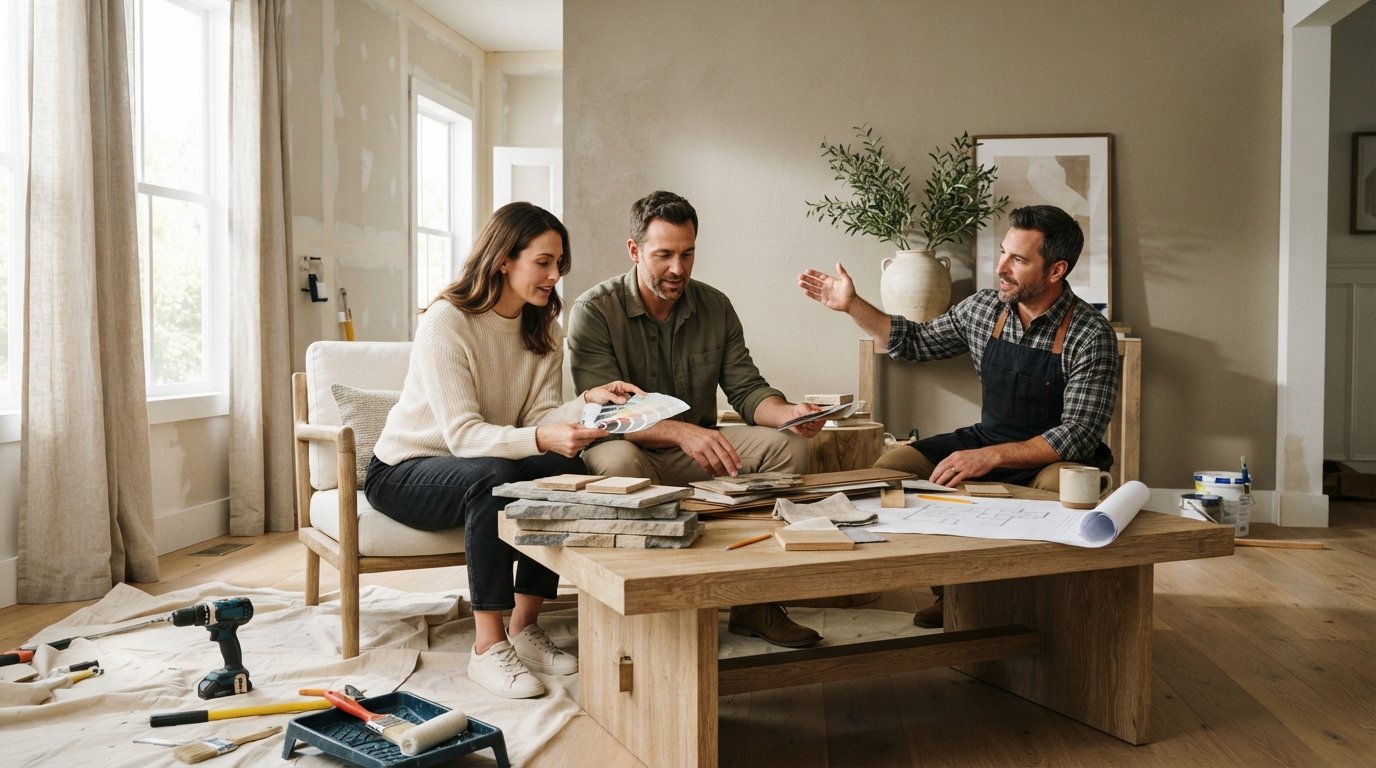
Interior Design Trends 2027 for Remodeling Your Home
Interior design trends 2027 for remodeling favor warm minimalism, curves, and smart storage built to last. See the looks and materials worth the investment.
By Margaret Sheridan
Learn more about Home Remodeling for guides, costs, and what to expect.
Compare Home Remodeling Pros Near You

Enter your ZIP code to compare top-rated local professionals and request free quotes.
Planning a major home renovation means making dozens of decisions, from layout changes to light fixtures. But the smartest homeowners start by studying where design is heading, not just where it has been. The interior design trends 2027 for remodeling are already taking shape in showrooms, design magazines, and new-build communities, and they point toward spaces that feel calmer, work harder, and last longer than the flashy looks of the past decade.
This guide breaks down the looks, materials, and layouts expected to define 2027, plus practical advice on how to fold them into a remodeling project without blowing your budget. Whether you are updating a single bathroom or rethinking an entire floor plan, understanding these shifts helps you invest in choices that will still feel current five or ten years from now.
Why 2027 Design Leans Toward Calm and Function
Every design era responds to the one before it. The minimalist white kitchens and gray-everything interiors that dominated the 2010s gave way to warmer, more personal spaces in the mid-2020s. By 2027, that evolution matures into something more deliberate: rooms designed around how people actually live, not how they photograph.
Several forces are driving this shift. Remote and hybrid work has made the home a multi-purpose environment, so rooms need to flex between office, gym, guest space, and family hub. At the same time, homeowners are more conscious of material waste, energy costs, and the environmental footprint of renovation. That combination pushes designers toward durable natural materials, efficient systems, and layouts that adapt instead of obsolesce.
There is also a wellness angle. After years of open-plan everything, people want defined spaces that support focus, rest, and privacy. The 2027 remodeling playbook answers with soft curves, layered lighting, and acoustically thoughtful rooms, all of which we will unpack below.
The Defining Interior Design Trends 2027 for Remodeling
If you want a quick snapshot before diving into details, these are the movements expected to shape renovation projects over the next few years. Each one influences materials, color, and layout decisions you will make during a remodel.
- Warm minimalism with texture: clean lines softened by wood, stone, and woven fibers instead of stark white surfaces.
- Earthy, saturated color: clay, olive, terracotta, and deep teal replacing cool grays.
- Curved architecture: arched doorways, rounded islands, and organic furniture silhouettes.
- Flexible, multi-use rooms: pocket doors, movable partitions, and convertible furniture built in from the start.
- Biophilic and energy-smart design: natural light, indoor plants, and efficient systems treated as design features.
Notice that none of these trends require a full gut renovation to adopt. A kitchen refresh can incorporate warm wood tones and an arched range hood surround. A living room remodel can add a curved built-in and better task lighting. The key is choosing two or three directions and committing to them consistently rather than sampling everything.
Warm Minimalism: Less Stuff, More Texture
Minimalism is not disappearing, it is getting cozier. The 2027 version keeps uncluttered surfaces but replaces cold white walls and glossy finishes with limewash paint, matte stone, and visible wood grain. The goal is a room that feels serene rather than sterile.
In practice, this means fewer cabinets with flat fronts in natural oak or walnut, countertops in honed soapstone or quartzite instead of polished quartz, and plaster-style wall finishes that add subtle depth. Texture does the decorative work that accessories used to do, which keeps the space feeling edited but not empty.
For remodeling budgets, warm minimalism is friendly: it favors quality over quantity. You might spend more per square foot on a beautiful stone countertop but skip upper cabinets entirely, offsetting the cost. It also ages well, since natural materials rarely look dated the way trend-driven colors can.
Earthy Colors and Saturated Accents
Color forecasters and paint brands are converging on a warmer palette for 2027. Expect to see clay, mushroom, ochre, olive green, and burnt sienna used on walls, cabinetry, and even ceilings. These hues pair naturally with wood tones and stone, reinforcing the warm minimalist direction.
Where 2027 differs from earlier earth-tone cycles is saturation. Instead of pale beiges, designers are reaching for deeper, moodier versions: forest green kitchen islands, terracotta-tiled bathroom walls, navy built-ins in a home office. Used in a single room or as an accent, a saturated color creates a focal point without overwhelming the whole house.
If you are remodeling a bathroom or kitchen, consider committing to one bold color on cabinetry or tile and keeping everything else neutral. This approach delivers visual impact while remaining easy to update later. Paint is the cheapest element to change, so putting color on walls rather than fixed surfaces is a smart hedge.
Curves, Arches, and Soft Geometry
Rounded shapes are moving from trend to standard. Arched doorways, curved kitchen islands, oval mirrors, and tubular furniture legs soften the hard edges that defined previous decades of interiors. In remodeling terms, curves show up in drywall details, millwork, and built-ins.
Adding an arch during a renovation is more affordable than many homeowners expect, especially if walls are already open for electrical or plumbing work. A drywall arch between a hallway and living room, or a curved niche in a shower wall, adds architectural interest for a modest cost. Rounded island ends and soft-edged countertops achieve a similar effect in kitchens.
The practical benefit goes beyond looks. Curves improve flow in tight spaces, reduce the visual weight of large furniture, and make rooms feel more welcoming. They also pair beautifully with the organic materials central to 2027 design.
How 2027 Trends Change Kitchens and Bathrooms
Kitchens and bathrooms absorb the largest share of remodeling dollars, so it matters which trends land there. In 2027, both rooms move toward fewer, better elements and smarter use of every square foot.
Kitchens are trading wall-to-wall upper cabinetry for open shelving, tall pantry walls, and furniture-style hutches. Islands are getting larger and more multifunctional, with integrated seating, charging drawers, and prep sinks. Appliance panels in wood or painted finishes help large refrigerators disappear into the design rather than dominate it.
Bathrooms are becoming spa-like retreats with wet-room layouts, curbless showers, and freestanding tubs set against textured stone or microcement walls. Double vanities remain popular, but storage is increasingly built into niches and floating cabinetry rather than bulky medicine cabinets. Warm metals like brushed bronze and unlacquered brass continue to replace chrome and matte black.
One thread connects these changes: storage is being designed in, not added later. If your remodel involves decluttering and organizing, our guide on smart storage remodeling to declutter your home explains how built-in solutions can add value while keeping daily life manageable.
Materials and Finishes That Define 2027 Interiors
Material choices carry more weight than any single color or shape, because they are the hardest elements to change after a renovation. The 2027 palette favors honest, tactile surfaces that show their natural origin.
Wood remains the backbone of warm interiors, but the finish matters. Matte oils and soaps replace high-gloss lacquers, and species like white oak, ash, and walnut dominate over espresso stains. Stone is increasingly honed or leathered rather than polished, and large-format tiles mimic limestone, travertine, and slate.
Textiles follow suit. Boucle, linen, wool, and jute appear in upholstery, rugs, and window treatments, adding softness that hard surfaces lack. In remodeling, this translates to specifying durable performance fabrics for family rooms and natural fiber rugs for high-traffic areas.
Two material cautions are worth noting. First, natural stone requires sealing and careful maintenance, so weigh that against porcelain alternatives in wet rooms. Second, heavily textured wall finishes can be difficult to patch, so keep extra material on hand after the project wraps.
Smart, Efficient, and Sustainable Upgrades
Technology and sustainability are no longer separate categories in design, they are woven into the fabric of a good remodel. The 2027 approach treats efficiency as a design feature, visible and appreciated rather than hidden in a utility closet.
Expect to see induction cooktops, heat pump water heaters, and high-efficiency HVAC systems specified alongside cabinetry and tile. Smart lighting that shifts color temperature through the day supports the wellness focus of 2027 interiors. Solar panels and battery storage increasingly appear in remodeling plans, not just new construction.
These upgrades pair naturally with the professionals who install them. If your renovation includes roofing, windows, flooring, painting, plumbing, or solar work, a platform like 180 Remodel connects homeowners with vetted contractors for each specialty, which simplifies coordinating a multi-trade project.
Sustainability also shows up in smaller choices: reclaimed wood accents, low-VOC paints, and keeping existing structures instead of demolishing them. Reusing what already works is often the most environmentally sound decision, and it frees budget for the elements you truly want to change.
A Practical Framework for Remodeling With 2027 Trends
Trends are only useful if they survive contact with a real budget and a real contractor schedule. Use this framework to translate inspiration into an actionable plan.
- Audit how you live now: list the daily frustrations in each room, such as poor storage, bad lighting, or awkward flow.
- Choose two or three trends to anchor the design: for example, warm minimalism plus curves plus a saturated accent color.
- Separate fixed from flexible elements: invest in permanent items like layout, cabinetry, and stone, and keep paint, textiles, and lighting easy to change.
- Get multiple quotes from licensed contractors: compare scope, timeline, and warranty terms, not just price.
- Build a 10 to 20 percent contingency: surprises behind walls are the norm in remodeling, not the exception.
Following this sequence keeps the project grounded. It also prevents the common mistake of buying furniture and decor before the structural work is priced, which often leads to mismatched scales and wasted spending.
Finally, remember that good design serves the people living in the space. A trend that looks stunning in a showroom but fights your daily routine is not worth adopting. The best 2027 remodels blend current aesthetics with the specific needs of the household.
The interior design trends 2027 for remodeling reward homeowners who plan ahead and invest in quality over quantity. Warm materials, flexible layouts, and efficient systems will define the most successful renovations, and starting with a clear framework, realistic budget, and trusted contractors turns inspiration into a home that feels both current and enduring.
Learn more about Home Remodeling for guides, costs, and what to expect.
Compare Home Remodeling Pros Near You
Enter your ZIP code to compare top-rated local professionals and request free quotes.