
How to Prevent Frozen Pipes in Winter: 10 Proven Steps
Learn how to prevent frozen pipes in winter with 10 proven steps, from insulating to dripping faucets, and avoid costly water damage.
By Alexia Mabel
Learn more about Weatherization for guides, costs, and what to expect.
Compare Weatherization Pros Near You

Enter your ZIP code to compare top-rated local professionals and request free quotes.
When the temperature outside dips below freezing, the risk of frozen pipes inside your home rises sharply. A burst pipe can release hundreds of gallons of water per hour, causing costly damage to floors, walls, and personal belongings. The good news is that most frozen pipe incidents are preventable with a few strategic actions. Whether you are heading out of town for the holidays or simply bracing for a cold snap, this guide explains how to prevent frozen pipes in winter, what to do if they freeze anyway, and when to call in a licensed professional.
Why Frozen Pipes Are a Serious Home Threat
Water expands by about 9 percent when it freezes. Inside a pipe, that expansion creates immense pressure, often reaching thousands of pounds per square inch. This pressure can crack even metal pipes, and it is especially destructive to PVC or PEX. Once the ice thaws, water rushes out through the crack, often flooding your home before you even notice.
Beyond the immediate mess, water damage can lead to mold growth, electrical hazards, and structural issues. The average insurance claim for water damage exceeds $10,000, according to industry data. That is why understanding how to prevent frozen pipes in winter is not just a maintenance tip, it is a financial safeguard. A little preventive effort can save you from a major repair bill and the stress of emergency cleanup.
Which Pipes Are Most at Risk
Not all pipes face the same danger. Pipes that run along exterior walls, in unheated crawl spaces, attics, basements, and garages are the most vulnerable. Any pipe that is exposed to outdoor air or located in a space without adequate insulation can freeze quickly when temperatures stay below 20 degrees Fahrenheit.
Kitchen and bathroom sinks that are attached to exterior walls are common trouble spots. Likewise, pipes in cabinets under sinks can freeze if warm air cannot reach them. Even a small gap in insulation or a crack in the foundation can let cold air blow directly on a pipe, turning a minor weakness into a major emergency. Identifying these high-risk areas is the first step in how to prevent frozen pipes in winter effectively.
Signs That a Pipe Is About to Freeze
You do not always see ice before a pipe bursts. However, there are warning signs to watch for:
- No water comes out when you turn on a faucet, or the flow is just a trickle.
- Frost is visible on the exposed section of the pipe.
- You hear strange gurgling or banging sounds from the plumbing system.
- Unusual musty smells come from drains, indicating a blockage or backup.
If you notice any of these signs, act quickly. The longer a pipe stays frozen, the higher the chance of a rupture. In many cases, you can thaw the pipe safely yourself, but if you cannot reach the affected area or the pipe has already burst, you need a professional plumber right away.
Step-by-Step Guide to Preventing Frozen Pipes
Prevention is always easier than repair. Here is a practical checklist you can implement before the next deep freeze hits your area. These steps form the core of how to prevent frozen pipes in winter and are suitable for most homes.
1. Insulate Exposed Pipes
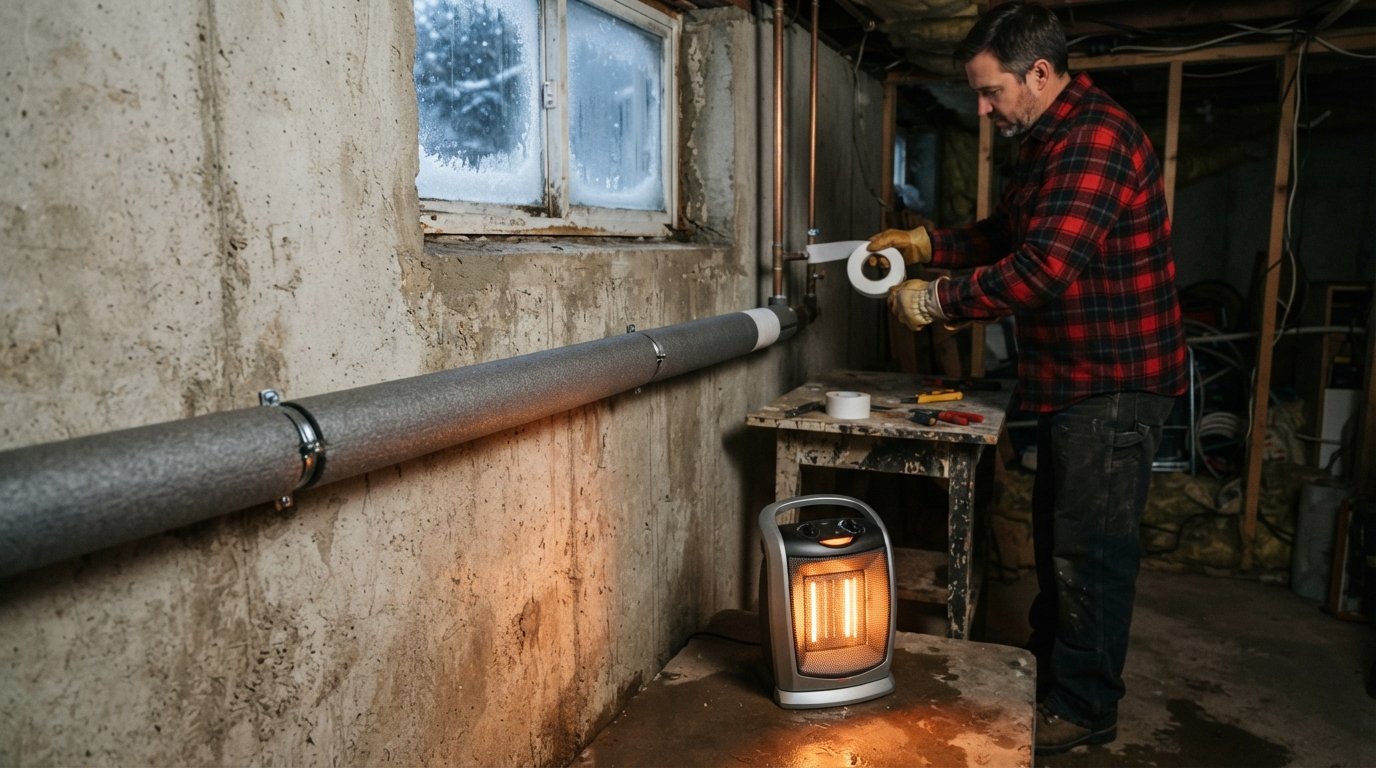
Start by wrapping pipes in unheated areas with foam pipe insulation, which you can find at any hardware store. Pay special attention to pipes in the attic, basement, garage, and crawl space. For extra protection, use heat tape or heat cables that plug into an outlet and wrap around the pipe. These products automatically turn on when the temperature drops, providing consistent warmth.
Make sure to measure the pipe diameter before buying insulation, and seal all seams with duct tape. Insulation not only prevents freezing but also reduces heat loss, which can lower your energy bills. This is one of the most cost-effective measures you can take, with materials costing less than fifty dollars for most homes.
2. Seal Cracks and Openings
Cold air can reach pipes through tiny gaps in your home's exterior. Inspect the foundation, exterior walls, and the areas where pipes enter your home. Use caulk or expanding spray foam to seal any cracks or holes you find. Pay attention to gaps around electrical wiring, dryer vents, and plumbing penetrations, as these are common entry points for cold drafts.
Inside your home, open cabinet doors under sinks to let warm air circulate around the pipes. This is especially important in kitchens and bathrooms on exterior walls. If you have a drop ceiling in the basement, consider insulating the area above it to trap heat near the pipes.
3. Keep a Slow Drip Running
When temperatures are expected to stay below freezing for an extended period, let a faucet drip slowly. A trickle of water, about the width of a pencil lead, is enough to relieve pressure in the system. Moving water is much less likely to freeze than standing water. Run the drip from the faucet that is farthest from your main shutoff valve, as well as any faucets on exterior walls.
You might worry about the water bill, but a slow drip uses only a few gallons over several hours, which is far cheaper than repairs. If you have a smart thermostat, you can also set your home's temperature to remain at least 55 degrees Fahrenheit, even when you are away. This keeps the interior warm enough to prevent most freezing.
4. Shut Off and Drain Outdoor Water Lines
Before winter arrives, disconnect garden hoses and drain them completely. Close the shutoff valve that supplies water to outdoor spigots, then open the outdoor tap to let any remaining water drain out. Leave the valve open for the winter. This prevents ice from forming in the horizontal pipe that leads to your outdoor faucet.
If you have an irrigation system, hire a professional to blow out the lines with compressed air. Sprinkler lines are often buried shallowly and can freeze, causing leaks in the spring. The same goes for swimming pool supply lines. Draining these systems properly is a critical part of how to prevent frozen pipes in winter, especially in regions with harsh climates.
5. Add Extra Insulation to Attics and Basements
While pipe insulation is essential, adding bulk insulation to your attic, basement, and crawl space can also help. These spaces are often the coldest parts of a home. Increasing the R-value of your insulation keeps the entire space warmer, reducing the risk of freezing for all pipes and ductwork inside.
You can lay fiberglass batts yourself or hire an insulation contractor. For a more modern solution, consider spray foam insulation, which expands to fill gaps and provides an air barrier. If you are already planning home upgrades, this winter preparation can complement your renovation efforts effectively.
What to Do If a Pipe Freezes
Even with the best prevention, pipes can freeze during an extreme cold snap. If you turn on a faucet and only a trickle comes out, you likely have a frozen pipe. The first step is to leave the faucet open. Running water, even a trickle, helps melt the ice and relieves pressure.
Next, locate the frozen section. Look for frost on exposed pipes or feel for cold spots. You can use a hairdryer, a portable space heater, or heat lamp to warm the pipe gradually. Start from the faucet end and work backward. Never use an open flame, blowtorch, or charcoal stove, as these can start a fire or damage the pipe.
As the ice melts, you should see water flow return. Continue applying heat until full pressure is restored. If you cannot find the frozen area, or if the pipe is behind a wall, call a licensed plumber immediately. They have specialized equipment to locate and thaw blockages safely.
When to Call a Professional Plumber
Some situations require expert help. If a pipe has already burst, shut off your main water valve immediately and call an emergency plumber. Do not attempt to repair a cracked pipe yourself if you lack experience; a botched job can lead to further leaks and water damage.
Likewise, if you have recurring freezing issues in the same area, a professional can identify root causes, such as inadequate insulation or poor pipe placement. They may recommend relocating pipes to warmer interior walls or installing a recirculating pump to keep water moving. For complex heating systems or whole-home insulation projects, professional guidance is worth the investment.
Long-Term Solutions for Cold Climates
If you live in an area with severe winters, consider these upgrades during your next renovation. Adding insulation to exterior walls, installing double-pane windows, and sealing air leaks around doors and windows all help maintain a stable indoor temperature. These improvements not only protect your pipes but also reduce heating costs and increase home comfort.
For older homes, retrofitting pipes with a recirculation system can keep warm water continuously moving, which prevents freezing. Alternatively, you can install freeze alarms that alert you when temperatures drop to dangerous levels. These sensors are affordable and can be connected to your smartphone, giving you peace of mind when you are away. If you are planning any winter home remodeling, incorporate these protective measures into your design.
Emergency Preparedness: What to Have on Hand
Being prepared for a plumbing emergency is part of responsible homeownership. Keep a pipe repair clamp and a rubber sheet in your emergency kit to temporarily patch a small leak. Also know where your main water shutoff valve is located and make sure everyone in the household knows how to turn it off.
Store a few gallons of drinking water in case you need to shut off your supply for an extended period. Having a reliable plumber's contact information saved on your phone is also wise. These small steps can drastically reduce the impact of a sudden pipe failure.
Protect Your Home with Professional Help
Frozen pipes are a common but avoidable winter problem. By insulating, sealing, and maintaining a consistent indoor temperature, you can keep your plumbing safe through the coldest months. Regular maintenance is key, and professional contractors can offer inspections and upgrades that address hidden vulnerabilities.
If you are unsure about the condition of your plumbing or need help with insulation, a licensed professional can provide peace of mind. At 180Remodel, you can connect with experienced contractors who specialize in plumbing and winterization. Their network of vetted experts can assess your home, recommend targeted fixes, and ensure your pipes are ready for whatever winter brings. Remember, the cost of prevention is always lower than the cost of repair.
Taking a few hours to winterize your pipes is a small price for the safety of your home. Start with the steps above, and you will greatly reduce the risk of waking up to a plumbing disaster. Share this guide with friends and family, especially those in colder climates, so they too can learn how to prevent frozen pipes in winter and enjoy a warm, dry season. 180Remodel
Learn more about Weatherization for guides, costs, and what to expect.
Compare Weatherization Pros Near You
Enter your ZIP code to compare top-rated local professionals and request free quotes.