
How to Increase Home Value Before Selling With Repairs
Discover how to increase home value before selling with repairs that buyers notice. Call (833)-700-4293 for expert contractor quotes and maximize your sale price.
By Margaret Sheridan
Learn more about Handyman for guides, costs, and what to expect.
Compare Handyman Pros Near You

Enter your ZIP code to compare top-rated local professionals and request free quotes.
When you list your home, every detail counts. Buyers compare your property to others in the neighborhood, and they mentally deduct the cost of needed repairs from your asking price. The good news is that not all repairs are created equal. Some fixes deliver a strong return on investment, while others barely move the needle. Learning how to increase home value before selling with repairs means focusing your budget on the projects that buyers actually notice and appraisers actually reward. This guide walks you through the most effective repairs, the cosmetic upgrades that create the strongest perceived value, and the mistakes that can price your home out of its neighborhood. You will also see how getting professional contractor quotes helps you justify pre-sale upgrades and avoid costly surprises.
Repairs That Routinely Fail Buyer Inspections
Most home sales include a professional inspection, and certain problems appear on inspection reports so often that buyers almost expect them. If you address these issues before listing, you remove negotiation leverage from the buyer and signal that your home has been well maintained. Ignoring them invites repair requests, price reductions, or even a canceled contract.
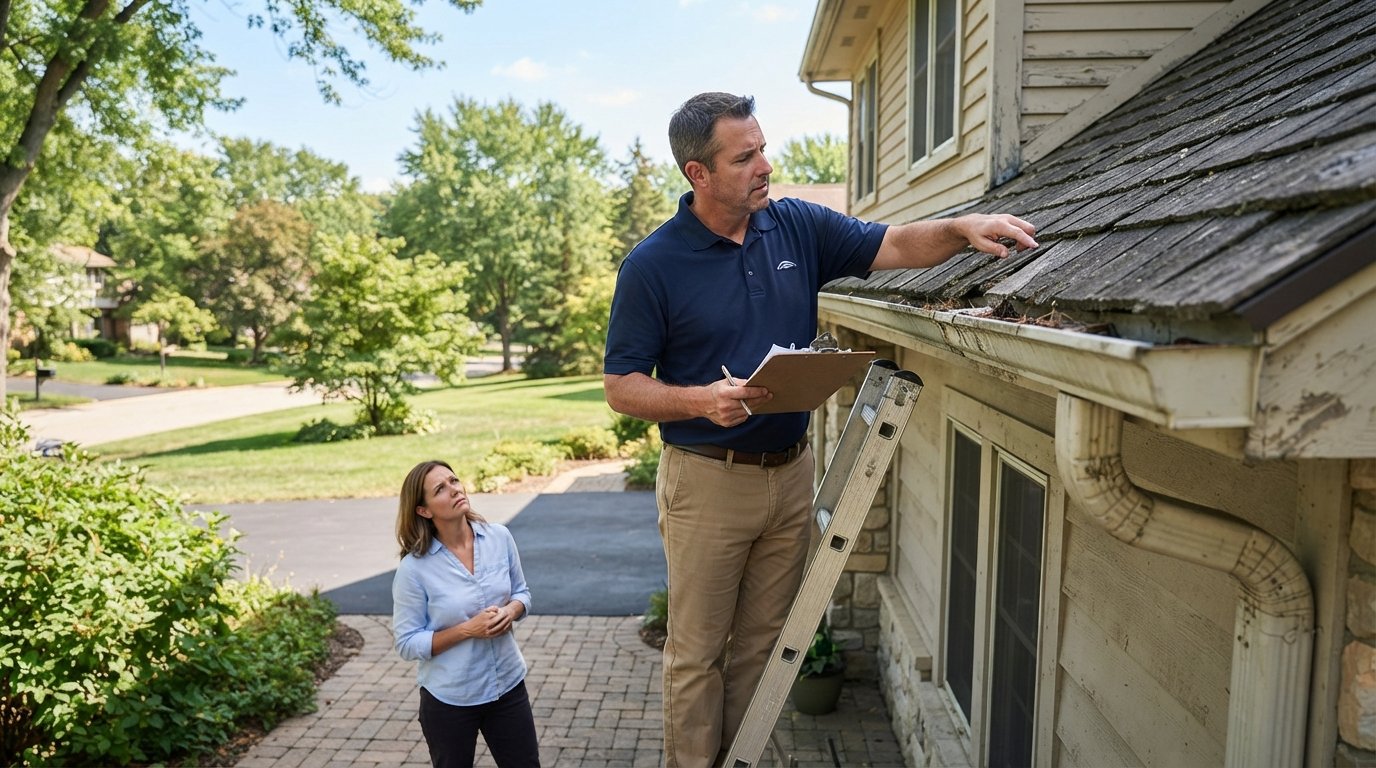
Start with the systems that protect the home from water and structural damage. A leaky roof, damaged flashing, or failing gutters will show up immediately. Plumbing issues, including slow drains, dripping supply lines, and corroded shutoff valves, are also flagged frequently. Electrical problems such as ungrounded outlets, missing junction box covers, and outdated panels raise safety concerns. HVAC systems that are not serviced or are past their expected lifespan will be noted as well.
Here are the repair categories that most often appear on inspection reports and should be addressed before you list:
- Roof and gutter issues: Missing shingles, active leaks, and poor drainage.
- Plumbing defects: Leaks, low water pressure, and faulty water heaters.
- Electrical hazards: Ungrounded outlets, exposed wiring, and outdated panels.
- HVAC problems: Dirty filters, refrigerant leaks, and aging equipment.
- Structural concerns: Cracks in foundation walls, sagging floors, and wood rot.
These repairs do more than satisfy an inspector. They also give you negotiating power. A buyer who sees a pre-inspection report with these items already fixed is far less likely to demand credits or walk away. For a broader look at which upgrades add value, see our practical homeowner guide on what upgrades increase home value. It covers the connection between maintenance and market perception, which is exactly the mindset you need before selling.
Cosmetic Upgrades With the Strongest Perceived Value
Buyers respond to how a home feels, not just how it functions. Cosmetic improvements are often cheaper than major system replacements, yet they can shift a buyer's perception from fixer-upper to move-in ready. The key is choosing updates that look expensive but cost relatively little, and that appeal to the widest possible audience.
Paint is the classic example. A fresh coat of neutral interior paint brightens rooms, hides scuffs, and makes spaces feel larger. It also removes personal color choices that distract buyers. Similarly, replacing dated light fixtures and plumbing fixtures modernizes a home without a full remodel. Old brass or worn-out fixtures draw the eye for the wrong reasons, while clean, updated fixtures suggest care and quality.
Flooring is another high-impact area. Worn carpet, scratched hardwood, and cracked tile make a home feel tired. You do not need to install luxury materials. Refinishing hardwood floors, deep-cleaning carpet, or replacing damaged sections with matching material can restore a fresh look at a fraction of the cost of new flooring throughout. If you are considering a larger flooring project, consult a professional to understand the best options for your budget and neighborhood.
Kitchen and bathroom updates deserve special attention because buyers scrutinize these rooms closely. You do not need a full renovation. Replacing cabinet hardware, resealing countertops, regrouting tile, and updating faucets can make these spaces feel current. These small touches create the impression that the home has been maintained and updated, which supports a higher asking price.
Curb Appeal Projects That Influence First Impressions
Buyers form an opinion before they step inside. The condition of your exterior, landscaping, and entryway sets expectations for the entire showing. Strong curb appeal not only attracts more interest but also supports the list price. If the outside looks neglected, buyers assume the inside has been neglected too, and they adjust their offer accordingly.
The most reliable curb appeal projects are also among the most affordable. Power washing the siding, walkways, and driveway removes years of grime and instantly brightens the property. Fresh paint on the front door and trim adds a crisp, welcoming touch. Replacing a worn mailbox, house numbers, and porch light are small details that complete the picture. Landscaping should be neat and simple: trimmed shrubs, fresh mulch, and a few seasonal plants make the yard look cared for without requiring ongoing maintenance.
Larger exterior repairs also matter. Damaged siding, missing roof shingles, and broken gutters are visible from the street and suggest deferred maintenance. Fixing these issues before listing prevents buyers from discounting your price. If you are unsure which exterior repairs will pay off, a contractor can help you prioritize based on your home's condition and local buyer expectations.
Remember that curb appeal is not about spending the most money. It is about creating a clean, well-maintained first impression that matches the price you are asking. A few hundred dollars spent on cleaning, paint, and landscaping often returns more than a major exterior renovation.
Where Over-Improving Can Price a Home Out of Its Neighborhood
It is possible to spend too much on repairs and upgrades. Over-improving means making your home significantly nicer or more expensive than surrounding properties. When that happens, buyers may love your home but be unwilling to pay a price that exceeds the neighborhood ceiling. Appraisers also rely on comparable sales, so they may not support a value that is far above nearby homes.
Before you commit to a major repair or upgrade, research recent sale prices for similar homes in your area. If your neighbors' homes are selling for $300,000 and you invest in a $100,000 kitchen remodel, you may not recover that cost. The same applies to luxury bathroom additions, high-end landscaping, and specialty features like pools or home theaters that not every buyer wants.
Focus on improvements that bring your home up to neighborhood standards rather than far beyond them. If your kitchen is outdated compared to nearby homes, a modest refresh makes sense. If it is already comparable, spend your budget on inspection repairs and curb appeal instead. The goal is to make your home competitive, not to make it the most expensive house on the block. A professional contractor can help you assess which repairs are appropriate for your market and which would be over-improvements.
Using Contractor Quotes to Justify Pre-Sale Upgrades
One of the most practical ways to plan pre-sale repairs is to get written quotes from licensed contractors. Quotes do more than tell you what a repair will cost. They help you prioritize, budget, and negotiate. When you have a detailed quote, you can compare the cost of the repair against the value it is likely to add. You can also show buyers that the work was priced professionally, which builds trust.
Start by requesting quotes for the inspection items that are most likely to be flagged. A roofing contractor can tell you whether a repair or replacement is needed. A plumber can identify leaks and outdated fixtures. An electrician can evaluate your panel and outlets. For cosmetic work, a painter or flooring specialist can provide options at different price points. Having several quotes for each project helps you choose the best value and avoid overpaying.
This is where a platform like PlanRemodel can simplify the process. It connects homeowners with pre-vetted contractors and provides educational resources so you can make informed decisions. Instead of calling dozens of companies, you can request multiple quotes for your pre-sale repairs and compare them side by side. That saves time and gives you confidence that you are paying a fair price.
Keep your quotes organized. When you list your home, you can share them with your real estate agent to demonstrate that repairs were properly priced and completed. Some buyers also appreciate seeing documentation of recent work, especially for major systems. Quotes are not just a budgeting tool; they are evidence of a well-maintained home.
Prioritizing Repairs for Maximum Return
Not every repair needs to be done before you sell. With a limited budget, you need a clear priority order. Start with safety and structural issues, then move to items that will appear on an inspection report, and finally address cosmetic improvements that boost perceived value. This sequence ensures you do not spend money on paint while a leaky roof undermines your sale.
A simple framework can help you decide. First, fix anything that affects health, safety, or the integrity of the home. Second, repair systems that are near the end of their life or that an inspector will flag. Third, complete cosmetic updates that make the home feel fresh and well cared for. Finally, consider curb appeal projects that improve first impressions. By working through these categories, you allocate your budget where it matters most.
It also helps to think like a buyer. Walk through your home and note every small defect you see. Scuffed walls, loose handles, squeaky doors, and burned-out light bulbs are easy and cheap to fix, but they add up in a buyer's mind. A handyman or general contractor can often handle a list of small repairs in a single visit, which is more efficient than hiring separate specialists for each task.
Finally, consider the timing of your repairs. Some projects, like painting and landscaping, should be completed close to listing so they look fresh. Others, like roof replacement or HVAC service, can be done earlier and documented for buyers. Plan your repair schedule so that the most visible improvements are completed just before showings begin.
Common Mistakes to Avoid When Repairing Before a Sale
Even well-intentioned sellers make mistakes that reduce their return. One common error is tackling repairs without permits. Unpermitted work can scare buyers and complicate the sale, especially if it involves electrical, plumbing, or structural changes. Always confirm that your contractor will pull the necessary permits and that the work will be inspected.
Another mistake is choosing the cheapest contractor without checking credentials. Low bids can lead to poor workmanship, delays, and costly rework. Verify licenses, insurance, and references before hiring. A slightly higher quote from a reputable professional is often the better investment when you are preparing to sell.
Over-personalizing upgrades is another pitfall. Bold paint colors, unusual fixtures, and highly specific design choices can turn buyers away. Stick to neutral, broadly appealing finishes. You want buyers to imagine themselves in the home, not admire your personal taste.
Finally, do not ignore small problems because they seem insignificant. A dripping faucet, a sticking window, or a cracked outlet cover may seem minor, but buyers notice these details during showings. They can create the impression that the home has not been maintained, which leads to lower offers. A thorough walkthrough with a contractor can help you catch these issues before they cost you money.
Final Thoughts on Repairing Before You Sell
Increasing your home value before selling with repairs is not about doing everything at once. It is about making strategic choices that address buyer concerns, improve first impressions, and fit within your neighborhood's price range. Focus on inspection repairs first, then cosmetic updates and curb appeal. Use contractor quotes to budget and prioritize, and avoid over-improving beyond what the market will support. With a clear plan and professional guidance, you can present a home that buyers trust and are willing to pay more for. If you are ready to get started, request quotes from licensed contractors and let the numbers guide your decisions.
Learn more about Handyman for guides, costs, and what to expect.
Compare Handyman Pros Near You
Enter your ZIP code to compare top-rated local professionals and request free quotes.