
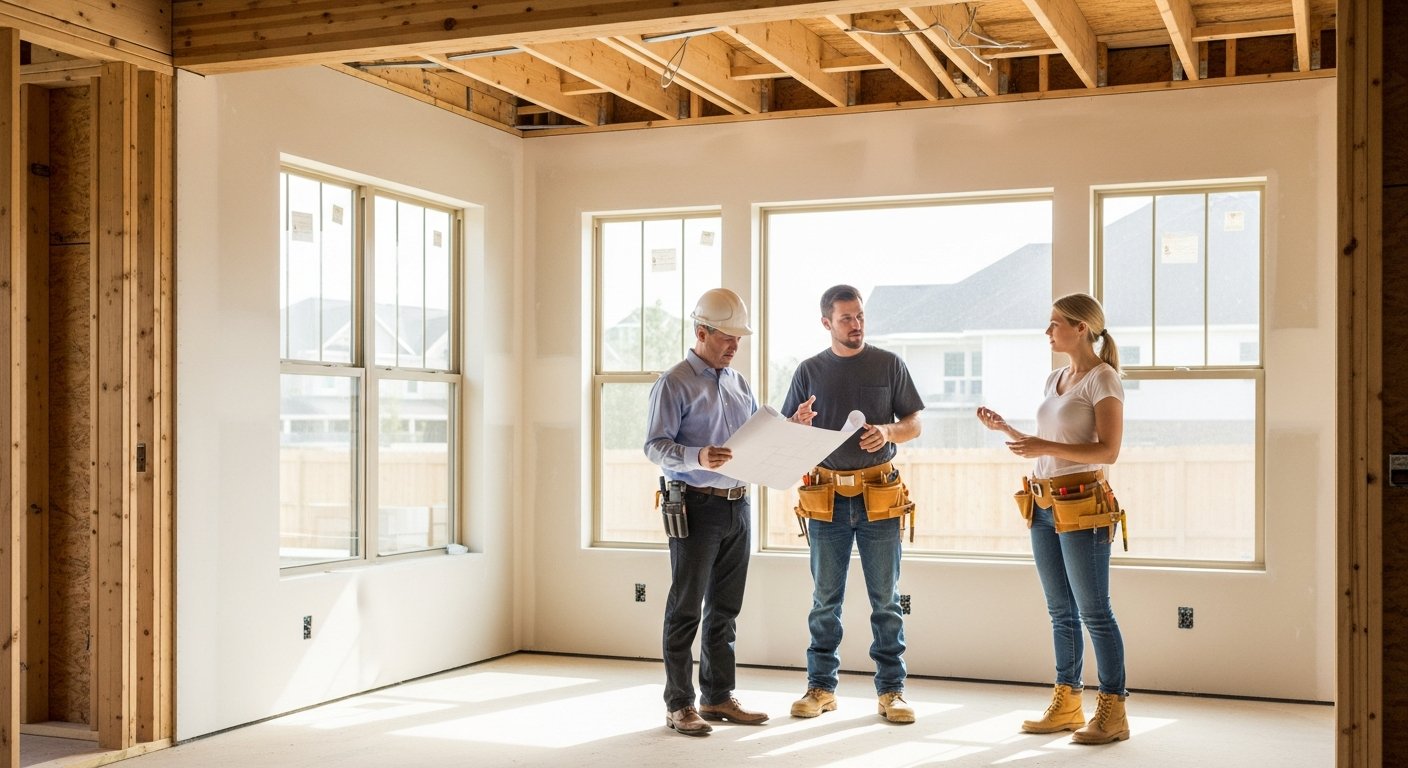
How to Choose Home Improvement Contractors
Learn how to choose reliable home improvement contractors with this step-by-step guide, from quoting to final walkthrough, and get free quotes with USremodel.
By Justin Blake
Learn more about General Contracting for guides, costs, and what to expect.
Compare General Contracting Pros Near You

Enter your ZIP code to compare top-rated local professionals and request free quotes.
Your home is likely your largest investment, and when it is time to upgrade, repair, or remodel, the quality of the work depends heavily on the professional you hire. Whether you are planning a bathroom remodel, a new roof, or energy-efficient window installation, the process can feel overwhelming. The difference between a smooth, successful project and a stressful, costly disaster often comes down to one critical decision: choosing the right home improvement contractors. This guide will walk you through every step of that process, from defining your project to signing a contract and monitoring the work, so you can move forward with confidence.
Why the Right Contractor Matters More Than the Design
Many homeowners spend months perfecting their design ideas, selecting paint colors, and browsing fixtures, only to see their vision fall apart due to poor execution. A skilled contractor brings your plans to life, manages the complex logistics of permits and materials, and ensures the work meets building codes and safety standards. Conversely, hiring an unqualified or unscrupulous contractor can lead to shoddy workmanship, unexpected costs, project delays, and even legal liabilities. In fact, disputes with contractors are among the most common complaints filed with state licensing boards and consumer protection agencies.
Beyond the immediate quality of the work, the right contractor protects you financially. They carry proper insurance, which covers any accidents or damage that occur on your property. They also provide warranties on their labor, giving you recourse if something goes wrong after the project is complete. When you hire a professional through a reputable platform like USremodel, you gain access to a network of independent contractors who have been vetted for their credentials and reliability. This reduces your risk and ensures that you are not handing your home to a stranger with a truck and a toolbox who may disappear halfway through the job.
Step 1: Define Your Project Scope and Budget
Before you even begin searching for contractors, you need to have a clear understanding of what you want to achieve. Take time to list your priorities: Are you remodeling for your own enjoyment, or are you preparing to sell? What specific issues are you trying to solve, such as a leaking roof, an outdated kitchen, or high energy bills? Write down your must-haves and your nice-to-haves, and establish a realistic budget range. Remember that unexpected issues often arise during construction, so set aside a contingency fund of at least 10 to 20 percent of your total budget.
Having a detailed project brief helps you communicate effectively with potential contractors and allows them to provide accurate quotes. It also prevents scope creep, which is when a project expands beyond its original parameters and costs more than planned. For instance, if you are remodeling a bathroom, specify whether you want to relocate plumbing, replace the bathtub with a walk-in shower, or install heated floors. These details will significantly affect the final price and the timeline. When you request quotes through a service like USremodel, you can provide these specifics to ensure that the estimates you receive are comparable and tailored to your needs.
Step 2: Research and Create a Shortlist
Once your project is defined, start your search for qualified professionals. Begin by asking friends, family, and neighbors for recommendations. You can also check online reviews on platforms like Google, Yelp, and the Better Business Bureau. However, do not rely solely on reviews, as they can be manipulated or may not reflect the full picture. Instead, use them as a starting point to identify contractors who consistently receive positive feedback for quality, communication, and timeliness.
A more efficient approach is to use a lead generation platform like USremodel, which connects you with multiple contractors in your area at once. This saves you hours of cold calling and allows you to compare offerings side by side. When you submit a request through USremodel, the platform matches you with independent contractors who specialize in your type of project, ensuring that you are not wasting time with generalists who lack the necessary expertise. You will then receive free, customized quotes from several vetted professionals, making it easy to evaluate your options.
Questions to Ask When Vetting Contractors
After you have a shortlist of candidates, conduct interviews to narrow down your choices. Here are some key questions to ask each contractor:
- Are you licensed and insured? Ask for proof of both, and verify their license number with your state's licensing board.
- How long have you been in business? Longevity often indicates stability and a track record of satisfied customers.
- Can you provide references from recent, similar projects? Contact these references and ask about their experience.
- Will you pull the necessary permits? A reputable contractor should always obtain the required permits for your project.
- Do you provide a written warranty on your work? Understand what is covered and for how long.
These questions will help you separate professional contractors from fly-by-night operators. A contractor who hesitates to provide references or seems vague about licensing and insurance should be a red flag. Take your time with this step, as the information you gather will be the foundation of your decision.
Step 3: Compare Quotes and Understand the Details
After interviewing several candidates, you will likely receive written quotes or estimates. Do not automatically choose the lowest bid. A low price can be attractive, but it may indicate that the contractor is cutting corners, using inferior materials, or planning to add hidden charges later. Conversely, the highest bid may not guarantee the best quality. Instead, compare the quotes line by line to understand what each contractor is including in their price.
Look for specifications on materials, labor, timeline, and payment schedules. A detailed quote should include the brand and model of materials, the number of workers on the job, the estimated start and completion dates, and the terms for payment. Some contractors may require a deposit upfront, while others may bill you in stages as the work progresses. Be wary of contractors who demand a large upfront payment, as this is a common tactic used by fraudulent operators. A reasonable deposit is typically 10 to 30 percent of the total project cost, with the remaining balance due upon completion and final inspection.
When you use USremodel to receive multiple quotes, you can easily compare these details without having to chase down each contractor for clarification. The platform's streamlined process ensures that you get competitive, transparent pricing from vetted professionals, which empowers you to make an informed decision. Once you have compared all the estimates, you may also want to negotiate. Many contractors are willing to adjust their prices or offer alternative material options to stay competitive, especially if they know you are considering other bids.
Step 4: Verify Licenses, Insurance, and Permits
Before you sign any contract, it is essential to verify that the contractor holds the proper credentials for your state and locality. Licensing requirements vary by state and by trade, so check with your local building department or licensing board to confirm what is required. A valid license demonstrates that the contractor has met minimum competency standards and is legally allowed to operate in your area. It also gives you recourse if something goes wrong, as you can file a complaint with the licensing board.
Insurance is equally important. The contractor should carry both general liability insurance, which covers damage to your property, and workers' compensation insurance, which covers injuries to their employees while on your job. Ask for certificates of insurance and verify that the policies are current. If a contractor is not insured, you could be held liable for any accidents that occur on your property, which could result in significant financial loss. Additionally, ensure that the contractor will obtain all necessary permits for your project. Permits protect you by ensuring the work is inspected and meets safety codes, and they are often required by law. A contractor who is unwilling to pull permits is a major red flag, as it suggests they may be cutting corners or performing work that does not meet code.
Step 5: Review the Contract Thoroughly
Once you have selected a contractor, the next step is to review and sign a detailed contract. This document is your legal protection, so do not skim it. A comprehensive contract should include the full scope of work, a description of materials (including brand, model, and color), a timeline for completion, the total cost, and a payment schedule. It should also include provisions for change orders, which are modifications to the original scope of work. Any changes you request during the project should be documented in writing and signed by both parties, along with an updated cost and timeline.
Pay close attention to the warranty clause. The contract should specify what is covered by the warranty, how long the warranty lasts, and who is responsible for honoring it. Many contractors offer a one-year workmanship warranty, but some may offer longer coverage on specific items like roofing or structural work. Also, make sure the contract includes a clause that allows you to withhold final payment until you are completely satisfied with the work and have passed the final inspection. This gives you leverage to ensure that any deficiencies are corrected before you release the last payment.
If you have any doubts about the contract, consider having a lawyer review it, especially for large projects. While this may cost extra, it is a small price to pay for peace of mind and protection against potential disputes.
Step 6: Monitor the Work and Communicate
Even after the contract is signed and the work begins, your involvement is not over. Stay engaged throughout the project by visiting the site regularly, asking questions, and keeping lines of communication open with the contractor. Good communication is key to a successful project. Address any concerns immediately rather than letting them fester, and document all communications in writing, whether through email, text, or a project management app.
If you notice something that does not look right, do not hesitate to speak up. A reputable contractor will welcome your input and will work to resolve any issues. Also, keep track of the project's progress against the timeline. Delays can happen due to weather, material shortages, or unforeseen structural issues, but they should be communicated to you in advance. If the contractor is unresponsive or the project is lagging without explanation, escalate your concerns. You may also want to schedule periodic inspections with your local building department to ensure the work meets code, especially for critical systems like electrical, plumbing, and structural changes.
Step 7: Conduct a Final Walkthrough and Close Out
When the contractor announces that the project is complete, schedule a final walkthrough before making the last payment. During the walkthrough, inspect every detail of the work, from the quality of the paint job to the alignment of the cabinets. Create a punch list, which is a list of any items that need to be corrected or completed. Do not sign off on the project or make the final payment until all punch list items are resolved to your satisfaction.
Once everything is done, collect all important documents from the contractor, including warranties, receipts for materials, and permits that were pulled. You will need these for future reference, especially if you sell your home. Also, make sure that all subcontractors and suppliers have been paid. In some states, a contractor can place a mechanic's lien on your home if a subcontractor is not paid, even if you have already paid the contractor. To protect yourself, ask for lien waivers from the contractor and all subcontractors, which are legal documents that release any claims against your property.
Finally, leave a review for the contractor on platforms like USremodel, Google, and the Better Business Bureau. Your feedback helps other homeowners make informed decisions and also holds contractors accountable for their work. If you had a positive experience, a glowing review is a great way to say thank you and to help a deserving business thrive.
Leverage a Lead Generation Platform for a Smoother Experience
The process of finding and hiring home improvement contractors can be time-consuming and stressful, but it does not have to be. By using a service like USremodel, you can streamline the initial stages of your search. Instead of scouring the internet and calling dozens of companies, you submit one request, and USremodel matches you with multiple independent contractors who are qualified for your specific project. You then receive free, customized quotes, allowing you to compare options side by side without any pressure.
This approach not only saves you time but also ensures that you are working with contractors who have been vetted by the platform. While USremodel does not perform the work itself, it acts as a trusted intermediary, connecting you with professionals who are committed to quality and customer satisfaction. The platform's goal is to simplify the entire process, from planning to quote collection, so you can focus on the exciting part: transforming your home. Whether you are installing new windows, remodeling your bathroom, or adding a deck, USremodel can help you find the right professional for the job.
In conclusion, hiring home improvement contractors is a significant decision that deserves careful attention. By defining your project, researching candidates, comparing quotes, verifying credentials, reviewing contracts, and staying engaged throughout the process, you can protect your investment and ensure a successful outcome. And with the help of a lead generation platform like USremodel, you can make the entire experience more efficient and less daunting. Start your next home improvement project with confidence, knowing that the right contractor is just a few clicks away.
Learn more about General Contracting for guides, costs, and what to expect.
Compare General Contracting Pros Near You
Enter your ZIP code to compare top-rated local professionals and request free quotes.