
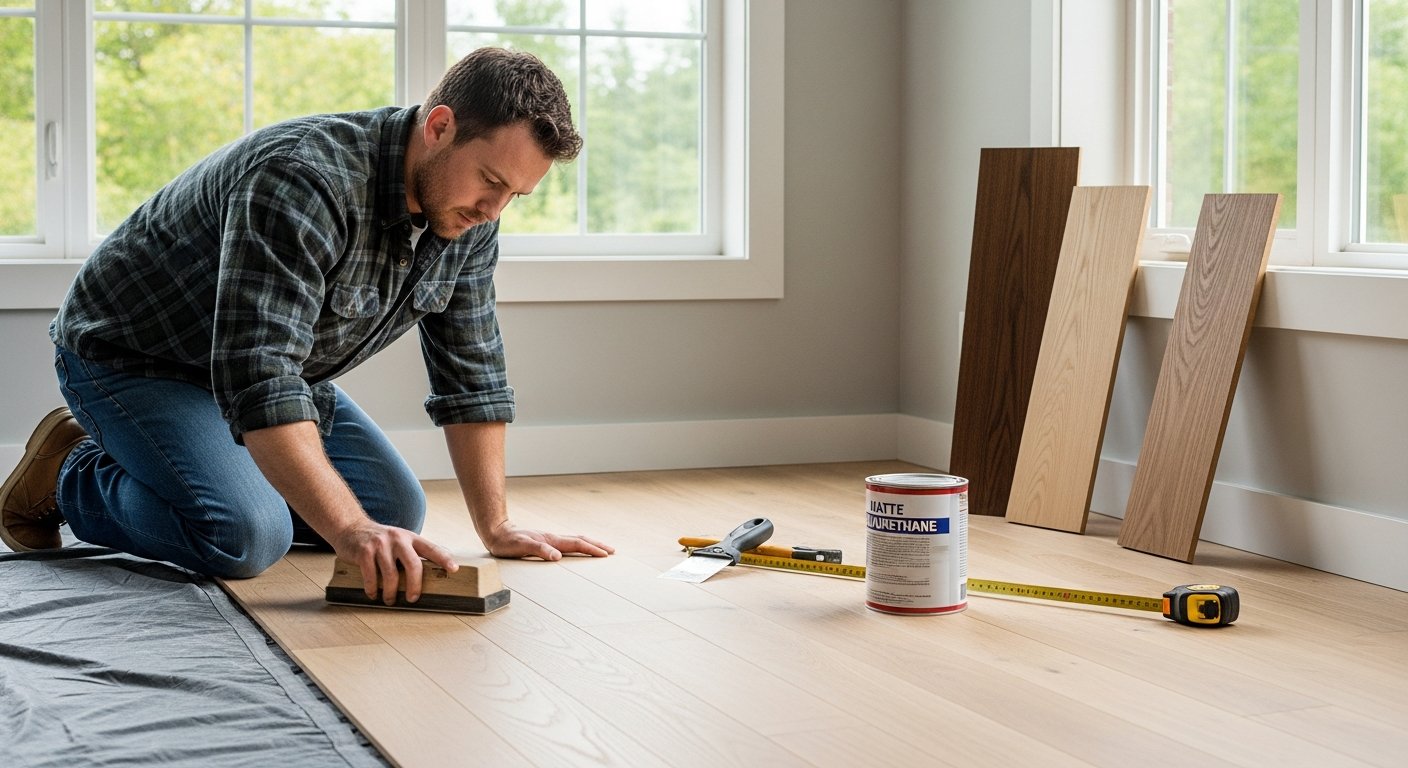
How to Choose Hardwood Flooring for Every Room
Discover how to select the perfect hardwood flooring for your home, from wood species to installation methods, and get expert tips for lasting beauty.
By Danica Leslie
Learn more about Floor Installation or Replacement for guides, costs, and what to expect.
Compare Floor Installation or Replacement Pros Near You

Enter your ZIP code to compare top-rated local professionals and request free quotes.
When you step into a home with beautiful hardwood flooring, you feel it immediately. The warmth, the character, and the timeless appeal of natural wood can transform any space. But choosing the right hardwood for your home involves more than just picking a color you like. It requires understanding wood species, finishes, installation methods, and how each room's unique conditions will affect your investment. This guide walks you through the entire decision process, from assessing your needs to maintaining your floors for decades to come.
Why Hardwood Flooring Remains a Top Choice
Hardwood continues to dominate the flooring market for good reason. It offers a combination of durability, aesthetic appeal, and long-term value that few other materials can match. Unlike carpet or vinyl, hardwood can be refinished multiple times, which means it can look new again even after years of wear. This makes it a smart investment for homeowners who plan to stay in their homes for a long time or who want to increase resale value.
Beyond practicality, hardwood brings a natural, organic element into your home that complements virtually any design style. Whether your home is modern, rustic, or traditional, there is a wood species and finish that will enhance its character. Real wood also improves indoor air quality by not trapping dust, pollen, and allergens like carpet does, which is a significant benefit for allergy sufferers.
However, hardwood is not a one-size-fits-all solution. The best choice for your living room may not work in your basement or bathroom. Understanding the different types of hardwood and their performance characteristics is essential to making a decision that you will be happy with for years.
Solid vs. Engineered Hardwood: Know the Difference
The first major decision you will face is whether to choose solid hardwood or engineered hardwood. Both offer the beauty of real wood, but they differ in construction and performance.
Solid hardwood is exactly what it sounds like: a single piece of wood milled from a tree. It is typically 3/4 inch thick and can be sanded and refinished many times. Solid wood is highly durable and an excellent choice for most above-grade rooms, such as living rooms, dining rooms, and bedrooms. However, it is sensitive to moisture and temperature changes, so it is generally not recommended for basements or areas with high humidity.
Engineered hardwood consists of a real wood veneer layer on top of multiple layers of plywood or high-density fiberboard. The cross-ply construction makes it more stable than solid wood, meaning it expands and contracts less with changes in humidity. This allows engineered hardwood to be installed in basements, over concrete slabs, and even in some areas with higher moisture, like kitchens or bathrooms, provided the product is rated for that use. While engineered hardwood can only be refinished a limited number of times, many high-quality engineered products offer wear layers thick enough for at least one or two refinishing sessions.
Which One Is Right for Your Project?
To decide between solid and engineered, consider your subfloor and the room's location. If you are installing over a wood subfloor in a single-story home or an upper level, solid hardwood is a classic choice. If you are working with a concrete slab, planning a basement remodel, or dealing with radiant heat systems, engineered hardwood is the safer and often more practical option.
Another factor to weigh is the cost. Solid hardwood tends to be less expensive than high-quality engineered hardwood, but prices vary widely by species and grade. Your contractor can provide specific recommendations based on your home's structure and your local climate.
Choosing the Right Wood Species
The species of wood you select determines not only the look of your floor but also its hardness, grain pattern, and color. Here are some of the most popular options for homeowners:
- Oak: The most common species, available in red and white varieties. It is durable, widely available, and takes stains well, making it a versatile and budget-friendly choice.
- Maple: Known for its light, creamy color and subtle grain. Maple is very hard and resistant to wear, but it can be difficult to stain evenly, so it is often used with natural or light finishes.
- Hickory: One of the hardest domestic woods, with dramatic grain variations and color contrasts. It is ideal for high-traffic areas and homes with pets, but its busy grain may not suit every design.
- Walnut: Offers a rich, dark chocolate color with a straight grain. Walnut is softer than oak or hickory, so it may dent more easily, but its luxurious appearance is a favorite for formal spaces.
- Cherry: Has a warm, reddish-brown tone that deepens with age. Cherry is moderately hard and adds a touch of elegance, though it is more expensive than oak.
Each species has its own character and care requirements. For example, oak is forgiving and hides scratches well, while walnut shows wear more readily but can be maintained with area rugs in high-traffic zones. Visit a showroom to see samples in person and imagine how each wood will look in your space with your lighting and furnishings.
Finishes and Textures: The Final Layer of Protection
The finish you choose affects the floor's appearance, durability, and maintenance needs. There are two main categories: site-finished and prefinished. Site-finished floors are sanded and finished on site, giving you complete control over the stain color and sheen. Prefinished floors come with a factory-applied finish that is cured under UV light, making it harder and more durable than most site-applied finishes. Prefinished floors also offer a wider range of texture options, such as hand-scraped, wire-brushed, or distressed looks.
The sheen level also matters. High-gloss finishes reflect more light and show scratches and dust easily. Satin and matte finishes are more forgiving and are increasingly popular for their modern, natural appearance. Matte finishes also tend to show footprints less, making them a practical choice for busy households.
When it comes to texture, smooth floors are the most traditional, but textured surfaces are excellent at hiding imperfections and wear. Wire-brushed floors have a subtle, low-luster texture that feels soft underfoot. Hand-scraped floors have visible tool marks that give them an antique, rustic character. Distressed floors are intentionally aged with dents and scratches, adding charm and requiring minimal upkeep.
Installation Methods: What to Expect
Hardwood flooring can be installed in several ways, and the method depends on the type of flooring you choose and your subfloor. The three primary methods are:
- Nail-down: The most common method for solid hardwood over a plywood subfloor. Boards are nailed to the subfloor, which provides a secure, stable connection.
- Staple-down: Similar to nail-down but uses staples instead of nails. This method is often used for engineered hardwood and can be faster, but it may not be suitable for all subfloor types.
- Glue-down: The flooring is adhered directly to the subfloor using a strong adhesive. This is the preferred method for engineered hardwood over concrete slabs.
- Floating: The boards are not attached to the subfloor; instead, they click together and float over a foam underlayment. Floating floors are easy to install and are a good option for DIY enthusiasts, but they can feel slightly less solid underfoot.
Professional installation is strongly recommended for best results, especially for nail-down or glue-down methods. A skilled installer will ensure proper acclimation, expansion gaps, and subfloor preparation, all of which are critical to the floor's performance and longevity. When you request a quote through USremodel, you can connect with experienced local contractors who can assess your subfloor and recommend the best installation method for your situation.
Hardwood Flooring for Specific Rooms
Not every room is the same, and your flooring choice should reflect the demands of the space. Here is a room-by-room guide to help you decide.
Living Rooms and Bedrooms
These are the most forgiving spaces for hardwood. You can choose almost any species and finish, as long as you are comfortable with the maintenance. For a cozy, inviting feel, consider oak with a satin finish. For a more dramatic look, walnut or cherry can add warmth and sophistication. Use area rugs in seating areas to protect the floor from furniture scratches and to add a layer of softness.
Kitchens
Kitchens are prone to spills, dropped dishes, and heavy foot traffic. Engineered hardwood with a strong wear layer is often a better choice than solid wood because it handles moisture more effectively. Look for a matte finish to help hide water spots and choose a species with a tight grain, like maple or hickory, which resists dents. Always wipe up spills immediately to prevent water damage.
Basements
Basements are notorious for moisture issues, so solid hardwood is almost never recommended. Engineered hardwood with a moisture-resistant core and a floating or glue-down installation is the safest option. You can also consider luxury vinyl plank that mimics the look of wood, but if you want real wood, engineered is your best bet. Ensure your basement has proper moisture barriers and a sump pump if needed.
Bathrooms
Bathrooms are the most challenging room for hardwood due to constant humidity and water exposure. While some engineered hardwoods are rated for bathroom use, they still require diligent care. If you love the look of wood, consider using it in a powder room with low traffic, but avoid it in full bathrooms with showers or tubs. Alternatively, use wood-look tile in wet areas and reserve real hardwood for adjacent spaces.
Maintenance and Care for Longevity
Proper maintenance is the key to keeping your hardwood floors beautiful for decades. The good news is that daily care is simple. Sweep or vacuum regularly to remove grit and dirt that can scratch the surface. Use a damp mop with a hardwood-specific cleaner occasionally, but avoid excess water, which can damage the wood. Place mats at entrances to catch dirt, and use felt pads under furniture legs to prevent scratches.
Here are a few more essential maintenance tips:
- Trim pet nails regularly to minimize scratches.
- Use a humidifier in winter and a dehumidifier in summer to keep indoor humidity between 35% and 55%.
- Refinish your floors every 5 to 10 years, depending on traffic, to restore their luster and remove surface scratches.
- Never use steam mops or harsh chemical cleaners on hardwood.
If you notice deep scratches or water damage, address them quickly. Minor surface scratches can often be buffed out with a touch-up kit. For deeper damage, you may need to sand and refinish the affected area or call a professional. Regular maintenance not only keeps your floors looking great but also protects your investment.
Cost Considerations and Budgeting
Hardwood flooring is a significant investment, with prices ranging from $6 to $15 per square foot for materials alone, plus installation costs. The total cost depends on the species, grade, finish, and your location. Exotic woods like Brazilian cherry or teak can cost considerably more. Installation costs typically range from $3 to $8 per square foot, depending on the method and subfloor preparation.
When budgeting, do not forget to include underlayment, trim, transitions, and removal of old flooring. It is wise to set aside 10% to 15% of your total budget for unexpected expenses. To get an accurate estimate, request quotes from multiple contractors through a platform like USremodel. Comparing quotes helps you find a price that fits your budget while ensuring you hire a qualified professional for the job.
Making the Final Decision
Choosing the right hardwood flooring is about balancing aesthetics, functionality, and budget. Start by defining your priorities: Do you want a floor that is extremely durable? Are you looking for a specific color or grain? What is the room's exposure to moisture? Once you have answers to these questions, you can narrow down your options.
Visit showrooms to see and touch samples. Bring home a few planks to view them in your lighting. Consider how the floor will look with your cabinetry, wall color, and furniture. Do not rush the decision, as this is a long-term commitment. And when you are ready to move forward, use USremodel to connect with vetted contractors who can bring your vision to life. With the right guidance and professional installation, your hardwood flooring will be a source of pride and enjoyment for many years.
Learn more about Floor Installation or Replacement for guides, costs, and what to expect.
Compare Floor Installation or Replacement Pros Near You
Enter your ZIP code to compare top-rated local professionals and request free quotes.