
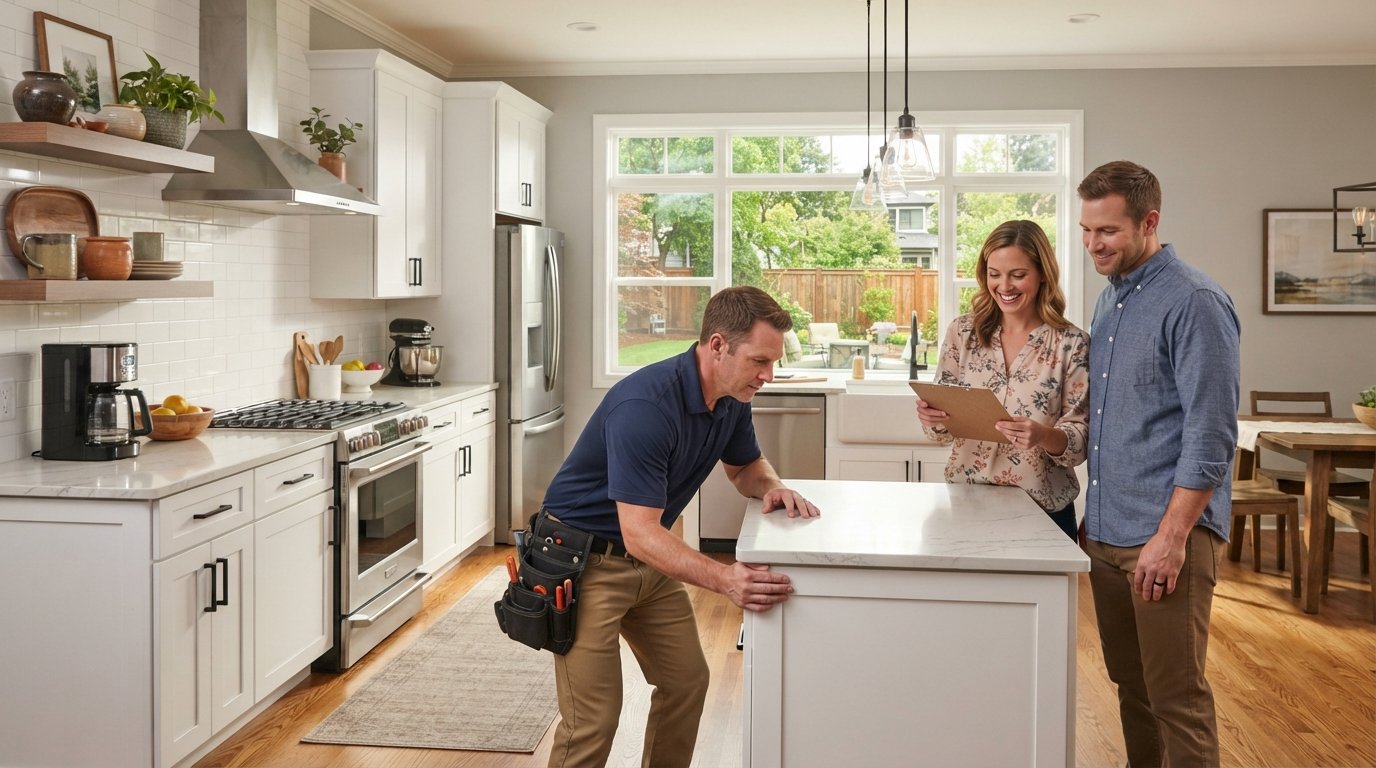
Home Value Boosting Renovations With Highest ROI
Use home value boosting renovations with highest roi to plan smart upgrades. Call (833)-700-4293 for trusted contractor quotes and project guidance.

By Alexia Mabel
Learn more about Home Remodeling for guides, costs, and what to expect.
Compare Home Remodeling Pros Near You

Enter your ZIP code to compare top-rated local professionals and request free quotes.
Every homeowner who has ever picked up a paintbrush has wondered the same thing: will this project actually pay me back? The answer is not always obvious, and the stakes are high. According to years of industry cost versus value data, some renovations return more than 100 percent of their cost at resale, while others return less than half. The difference between a smart investment and an expensive hobby often comes down to choosing projects that buyers actively want, executing them at a sensible cost, and timing the work before you list. This guide breaks down the home value boosting renovations with highest roi, explains how to evaluate returns in your local market, and shows you how to plan upgrades that appeal to buyers without overbuilding for the neighborhood.
Why Some Renovations Pay Off and Others Do Not
Return on investment in remodeling is not a mystery. It follows a predictable pattern: projects that address structural integrity, energy efficiency, and the cosmetic features buyers notice first tend to perform best. A new roof or updated siding protects the home and improves curb appeal, so buyers factor it into their offer. A luxury wine cellar or an elaborate home theater, by contrast, may delight a narrow slice of the market but rarely recoups its cost. The core principle is simple: invest in what the majority of buyers in your price range expect, and avoid spending beyond what your neighborhood supports. If every home on your street has a basic galley kitchen, a high-end chef's kitchen with commercial appliances will not return its full cost because buyers shopping in your area are not budgeting for it.
Another factor is the difference between perceived value and actual cost. A minor kitchen remodel that refreshes cabinet fronts, replaces hardware, and updates lighting can cost a fraction of a full gut renovation, yet it delivers most of the visual impact. Buyers walk in and see a modern, move-in-ready space. They do not inspect the cabinet boxes. This is why modest, well-executed updates so often outperform ambitious ones. The same logic applies to bathrooms: a clean, functional bathroom with new fixtures and fresh tile reads as updated, while a spa-like overhaul with a soaking tub and heated floors may exceed what the local market will pay for.
Finally, consider the role of maintenance. A renovation that fixes a problem, such as failing siding, a leaking roof, or single-pane windows that drive up energy bills, removes a red flag that would otherwise depress your sale price. In that sense, some of the highest-ROI projects are not glamorous at all. They are the ones that let a buyer feel confident the home is sound. For a deeper look at which projects consistently rise to the top, see this guide to high ROI renovation projects that boost home value.
The Top ROI Projects: Kitchens, Bathrooms, Siding, Windows, and Garage Doors
Year after year, national cost versus value studies point to the same short list of dependable performers. These projects balance moderate cost with broad buyer appeal, and they tend to hold their value across different markets. Below are the standouts and what makes each one work.
- Minor kitchen remodel: Refacing cabinets, replacing countertops and hardware, and adding a new sink and faucet typically returns a large share of cost, often in the 70 to 85 percent range, because the kitchen is the emotional center of the home.
- Bathroom remodel (midrange): Updating a hall or primary bathroom with new tile, a vanity, and efficient fixtures delivers strong returns without the cost of a luxury overhaul.
- Garage door replacement: One of the most cost-effective exterior upgrades, a new garage door dramatically improves curb appeal and routinely returns well over 100 percent of its cost.
- Siding replacement: New siding protects the structure, improves energy performance, and transforms the exterior. Returns often land in the 80 to 90 percent range.
- Window replacement: Energy-efficient windows reduce utility bills, improve comfort, and appeal to buyers concerned about operating costs.
What these projects share is a focus on the areas buyers see and use every day. The kitchen and bathrooms are where buyers imagine their daily routines. The exterior is the first impression, and it sets expectations before anyone steps inside. A garage door or siding upgrade signals that the home has been cared for, which reduces perceived risk. Windows do double duty by improving both appearance and performance. None of these projects requires exotic materials or custom craftsmanship, which keeps costs predictable and returns strong.
It is worth noting that the exact percentages shift with the housing market and with local labor costs. In a seller's market, buyers may overlook dated finishes, which can make cosmetic projects less urgent. In a buyer's market, updated kitchens and bathrooms become differentiators that help a home sell faster and closer to asking price. The takeaway is to treat national averages as a starting point, not a guarantee, and to weigh them against what your specific market rewards.
How to Evaluate Cost Versus Value in Your Local Market
National data is useful, but your return is determined locally. A project that returns 85 percent in one city might return 60 percent in another, depending on buyer preferences, climate, and construction costs. To estimate your own return, start by researching recent sales in your neighborhood. Look at homes similar to yours that sold in the past six to twelve months, and note which features appeared in the listing descriptions and photos. If updated kitchens show up repeatedly in the homes that sold quickly and at higher prices, that is a signal your market values them. If buyers in your area are more focused on lot size or school district, a lavish bathroom may matter less than you think.
Next, get real numbers for your project. Contractor quotes vary widely by region, and material choices can swing costs by thousands of dollars. Before committing, gather at least three bids for the same scope of work so you can compare apples to apples. This is where a service like PlanRemodel becomes valuable: it connects homeowners with pre-vetted local contractors and provides educational resources to help you understand what a fair price looks like. You can research qualified professionals and request quotes through PlanRemodel's contractor directory, which covers roofing, HVAC, plumbing, flooring, and more. Having multiple quotes not only helps you budget but also gives you negotiating leverage and confidence that you are not overpaying.
A simple framework can keep your evaluation grounded. Ask three questions for every proposed project: Does it fix a problem or prevent one? Does it appeal to the broadest group of buyers in my price range? Can I complete it within a budget that my neighborhood's sale prices can support? If a project answers yes to at least two of these, it is worth serious consideration. If it answers no to all three, it is probably a personal preference rather than an investment, and that is fine as long as you go in with clear eyes.
Low-Cost, High-Impact Upgrades That Appeal to Buyers
Not every value-boosting project requires a contractor and a permit. Some of the most effective upgrades cost a few hundred dollars and a weekend of effort, and they consistently influence how buyers perceive a home. The key is to focus on the senses: what buyers see, smell, and feel as they walk through. Fresh paint in neutral tones makes rooms feel larger and cleaner. Updated light fixtures and switch plates modernize a space instantly. Deep cleaning, decluttering, and depersonalizing help buyers imagine themselves in the home. These are not renovations in the traditional sense, but they are renovations in the mind of the buyer, and they can be the difference between a quick sale and a listing that lingers.
Landscaping and exterior maintenance also punch above their weight. A trimmed lawn, fresh mulch, and a clean walkway cost little but dramatically improve curb appeal. Replacing a worn front door, painting the trim, and adding house numbers and a new mailbox are small touches that signal pride of ownership. Inside, replacing dated outlet covers, updating cabinet hardware, and regrouting tile can make a kitchen or bathroom feel refreshed without a major investment. If you are handy, these projects are ideal weekend work. If not, many contractors offer handyman services that bundle several small fixes into one visit, which keeps costs down.
It is important to distinguish between upgrades that add value and upgrades that simply add cost. A swimming pool, for example, is a classic low-ROI project in many markets because not every buyer wants the maintenance and liability. Similarly, highly personalized design choices, such as bold wall colors or specialty rooms, can narrow your buyer pool. The safest low-cost upgrades are those that make the home feel neutral, bright, and well maintained. They do not impose a specific taste; they remove obstacles to a sale.
Timing Renovations for Maximum Resale Advantage
When you complete a renovation matters almost as much as what you renovate. If you plan to sell within a year, prioritize projects that will still look fresh at listing time and that address issues buyers will notice during a walkthrough. A kitchen remodel completed two years before a sale may already feel dated if trends have shifted, whereas a garage door replacement or new siding will still look current. For sellers on a tight timeline, focus on exterior projects and cosmetic interior updates that can be completed quickly and photographed well.
If you are staying in your home for five years or more, you have more flexibility. You can undertake larger projects, such as a full kitchen or bathroom remodel, and enjoy the benefits yourself before recouping value at sale. In this scenario, the return on investment matters less than the daily enjoyment and the long-term durability of the work. Just be careful not to over-improve for your neighborhood. If your home is already the most expensive on the block, additional upgrades may not translate into a higher sale price because buyers shopping in your area have a ceiling.
Seasonality also plays a role. Exterior projects like siding, roofing, and window replacement are best scheduled in milder months when contractors are available and materials cure properly. Interior projects can happen year-round but may be easier to coordinate when your household schedule is flexible. If you are planning to sell in spring, aim to complete major work in the preceding fall or winter so the home is market-ready when buyer traffic peaks. Rushing a renovation right before listing often leads to compromises that cost more in the long run.
Getting Professional Advice and Quotes for Value-Boosting Projects
Even the most well-researched homeowner benefits from professional input. A reputable contractor can spot issues you might miss, suggest cost-effective alternatives, and help you sequence projects so you do not pay twice for the same work. For example, if you plan to replace windows and siding, doing both at once can save on labor and scaffolding. A contractor can also advise on permit requirements and local building codes, which vary widely and can derail a project if overlooked. The best time to bring in a professional is before you finalize your budget, not after you have signed a contract.
USremodel is built for exactly this moment. As a home improvement lead generation platform, it connects homeowners across the United States with a network of independent contractors for remodeling, renovation, and repair projects. You can request free, customized quotes for kitchens, bathrooms, roofing, windows, siding, and more, and compare multiple bids side by side. The platform is free for homeowners, and it emphasizes quick quotes, affordable options, and local availability. If you are unsure where to start, the site's service directories and FAQ resources can help you understand scope, cost ranges, and what to ask a contractor before hiring. For homeowners who want to move from research to action, requesting quotes is the logical next step.
When you request quotes, come prepared. Have a clear list of what you want done, your budget range, and your timeline. Ask each contractor about licensing, insurance, warranties, and past projects similar to yours. Request references and, if possible, visit a completed job. A professional who is transparent and responsive during the quoting process is more likely to communicate well during construction. Remember that the lowest bid is not always the best value; a slightly higher quote from a contractor with strong credentials and a clear scope can save you money by avoiding change orders and rework.
Finally, keep records of every improvement you make. Receipts, permits, and before-and-after photos document the work and can support a higher asking price when you sell. Some upgrades, particularly energy-efficient windows and HVAC systems, may qualify for tax credits or utility rebates, so check local programs before you buy. A well-documented renovation history also gives buyers confidence and can shorten negotiations.
Home value boosting renovations with highest roi are not about chasing trends or spending the most money. They are about making strategic choices that align with what buyers in your market value, executing them well, and timing them to your advantage. Start with the reliable performers like kitchens, bathrooms, siding, windows, and garage doors, evaluate each against your local market, and layer in low-cost cosmetic upgrades that make the home feel inviting. When you are ready to bring in professionals, gather multiple quotes, ask the right questions, and choose contractors who can deliver quality work on a realistic budget. With careful planning, your renovation can improve your daily life today and pay you back when you sell tomorrow.