
Home Restoration Near Me: Find Local Pros Fast
Find local home restoration pros fast and get multiple quotes with USremodel. Call (833)-700-4293 for expert guidance on water, fire, and storm damage recovery.

By Eric Andrew
Learn more about Water Damage Cleanup and Restoration for guides, costs, and what to expect.
Compare Water Damage Cleanup and Restoration Pros Near You

Enter your ZIP code to compare top-rated local professionals and request free quotes.
When water is pooling in your basement, smoke residue coats the walls, or a storm has torn shingles from your roof, the search for home restoration near me finding local restoration professionals becomes urgent. You need someone qualified, available, and trustworthy, and you need them now. This guide walks you through the scenarios that require restoration, how it differs from remodeling, how to vet contractors under pressure, how to work with your insurer, and how to use USremodel to collect multiple quotes quickly so you can move from crisis to recovery with confidence.
Common Scenarios That Require Home Restoration
Home restoration addresses damage that threatens the structure, safety, or habitability of your home. Four scenarios account for most emergency calls, and each has its own timeline and specialized skill set. Recognizing which category your situation falls into helps you ask the right questions and hire the right professional.
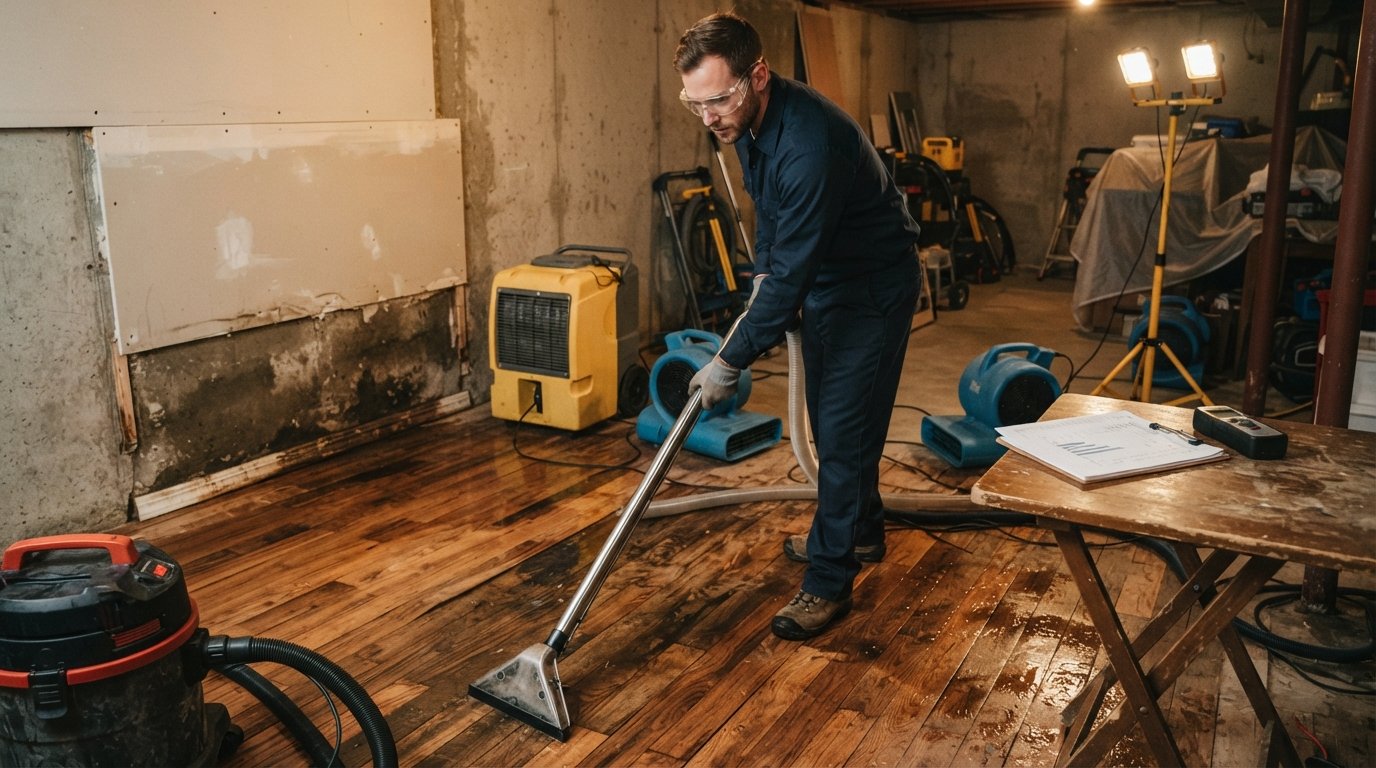
Water damage is the most frequent culprit. Burst pipes, appliance failures, roof leaks, and flooding can saturate drywall, warp floors, and create ideal conditions for mold within 24 to 48 hours. Restoration here involves extraction, drying, dehumidification, and sometimes reconstruction. Fire and smoke damage goes beyond charred surfaces: soot and ash travel through HVAC systems, and smoke odor penetrates porous materials. Storm damage includes wind, hail, and fallen trees that compromise roofs, siding, and windows, often allowing water intrusion. Mold remediation is its own discipline, requiring containment, removal of affected materials, and air quality controls to prevent spores from spreading.
Each scenario demands different certifications and equipment. A water damage specialist may use thermal imaging and commercial dehumidifiers, while a fire restoration team brings odor-neutralizing technology and structural cleaning expertise. When you search for home restoration near me finding local restoration professionals, confirm that the contractor handles your specific damage type rather than offering a one-size-fits-all service.
Restoration vs. Remodeling: Knowing Which You Need
Homeowners often use restoration and remodeling interchangeably, but they serve different purposes and follow different insurance and permitting paths. Restoration returns your home to its pre-damage condition. It is reactive, urgent, and often covered by insurance. Remodeling improves or changes the home beyond its original state, is proactive, and is typically funded out of pocket unless damage necessitates an upgrade during repairs.
The distinction matters when you file a claim. Your insurer will pay to restore functionality and appearance to the pre-loss condition, not to upgrade your kitchen with granite countertops because a pipe burst under the sink. However, if local building codes require upgrades during reconstruction (for example, bringing electrical work up to current standards), those costs may be partially covered. A reputable restoration contractor will explain this boundary clearly and document everything for your adjuster.
In practice, many projects blend both. After a major water loss, you might restore the structure and then choose to remodel the affected bathroom while walls are open. That is a smart way to capture value, but keep the scopes separate on paper so your claim stays clean. If you are planning improvements unrelated to damage, see our guide on finding trusted renovation contractors near me to vet professionals for planned upgrades.
How to Find and Vet Local Restoration Contractors Under Time Pressure
Speed matters, but hiring the first company that answers the phone can lead to inflated bills, shoddy work, or insurance disputes. Follow a structured process that balances urgency with due diligence. Start by documenting the damage with photos and video before anyone touches anything, then secure the area if it is safe to do so. Next, reach out to multiple providers simultaneously rather than sequentially, so you can compare availability and pricing without losing days.
Here is a practical vetting framework you can run in a few hours:
- Verify licensing and insurance. Ask for the license number and a certificate of insurance showing general liability and workers compensation coverage. Call the state licensing board to confirm the license is active and in good standing.
- Confirm restoration-specific certifications. Look for credentials from the Institute of Inspection, Cleaning and Restoration Certification (IICRC) for water and mold work, and ask how they handle hazardous materials.
- Request a written scope and estimate. A professional will provide a line-item scope of work, not a verbal ballpark. Compare at least three estimates side by side.
- Check reviews and references. Look for patterns in recent reviews, especially comments about communication, timeline, and insurance handling. Ask for two references from similar projects completed in the past year.
- Get the payment terms in writing. Be wary of large upfront deposits. Many reputable restoration firms bill insurance directly and collect only your deductible at the start.
After you have three estimates, compare not just the total but the scope. One contractor may exclude drywall replacement or duct cleaning that another includes. The lowest bid is rarely the best value if it leaves gaps that become change orders later. For a broader set of hiring criteria that applies to any trade, including red flags to avoid, keep a checklist handy and trust your instincts if a contractor pressures you to sign on the spot.
Insurance Coordination Tips for Restoration Projects
Your insurance claim runs parallel to your restoration project, and poor coordination between the two is a leading cause of surprise bills. Report the loss promptly, even if you are not sure of the full extent, because most policies have notification deadlines. Keep a detailed inventory of damaged items and receipts for any emergency mitigation you pay for out of pocket, such as temporary tarping or hotel stays, since these are often reimbursable.
Ask your adjuster whether the contractor can bill the insurer directly. Many restoration companies are experienced with direct billing and will document the loss in a format adjusters expect, including moisture readings, photo logs, and itemized estimates using industry-standard pricing software. This does not replace your responsibility to review the scope, but it reduces friction. If the insurer's estimate and the contractor's estimate diverge, ask for a line-by-line comparison and request a re-inspection rather than accepting a shortfall.
Keep a communication log with dates, names, and summaries of every conversation with your insurer and contractor. If a dispute arises, this record is invaluable. Also confirm in writing whether your policy covers code upgrades, mold remediation limits, and additional living expenses. Understanding these details before work begins prevents the most common financial surprises.
How USremodel Helps You Get Multiple Restoration Quotes Fast
Searching for home restoration near me finding local restoration professionals should not mean calling ten numbers and waiting days for callbacks. USremodel is a free platform that connects homeowners across the United States with independent, local contractors for remodeling, renovation, and repair projects, including restoration work. You submit your project details once, and the platform matches you with vetted professionals who provide customized quotes, so you can compare options quickly and choose with confidence.
The process is straightforward: describe your damage and location, review the quotes that come in, and select the contractor whose scope, price, and availability fit your situation. Because USremodel works with a network of independent contractors rather than employing them directly, you get competitive pricing and local availability without sacrificing choice. The service is free for homeowners, and there is no obligation to hire. For homeowners who also need help with the repair side of a project, platforms like Repairmen connect you with vetted local professionals for appliance repair, maintenance, and emergency fixes, complementing the restoration and remodeling connections you make through USremodel.
When you use USremodel, be specific in your request: note the damage type (water, fire, storm, mold), the affected areas, and whether you have filed an insurance claim. This detail helps contractors provide accurate quotes and reduces back-and-forth. You can also use the platform for planned projects once restoration is complete, such as kitchen or bathroom remodeling, flooring replacement, or painting, all through the same quote request process.
Red Flags to Avoid When Hiring Restoration Professionals
Emergencies attract opportunists, so know the warning signs. Be cautious of contractors who knock on your door unsolicited after a storm, demand full payment upfront, offer to waive your deductible (which is insurance fraud), or cannot produce a physical address and license number. High-pressure tactics and vague scopes are red flags in any project, but they are especially dangerous when your home is already compromised.
Also watch for companies that promise to handle everything with your insurer but will not let you speak to the adjuster directly, or that ask you to sign a contract assigning your claim benefits without explaining the implications. You always have the right to choose your contractor and to understand every document you sign. A trustworthy professional welcomes questions and provides clear answers in writing.
Finally, verify that the contractor will pull the required permits for structural or electrical work. Skipping permits can void insurance coverage and create problems when you sell your home. A reputable restoration firm will include permit costs in the estimate and schedule inspections as part of the project timeline.
Building a Recovery Plan That Protects Your Home and Budget
Restoration is stressful, but a clear plan keeps you in control. Start with safety: if the damage involves structural instability, electrical hazards, or contaminated water, leave the property and call professionals immediately. Document everything, contact your insurer, and gather multiple quotes before committing. Choose a contractor based on verified credentials, transparent scope, and clear communication, not just price.
Once work begins, stay engaged. Ask for progress updates, keep your own photo record, and review change orders before approving them. Pay according to the schedule in your contract, and do not release final payment until you have inspected the work and received lien waivers from subcontractors. When the project is complete, keep all documentation, including permits, invoices, and warranties, for your records and for any future insurance or resale needs.
Whether you are facing an emergency or planning ahead, the right local professionals make all the difference. Use USremodel to request free, customized quotes from independent contractors in your area, compare your options, and move forward with confidence. Your home is your largest investment, and a careful, informed approach to restoration protects both its value and your peace of mind.