
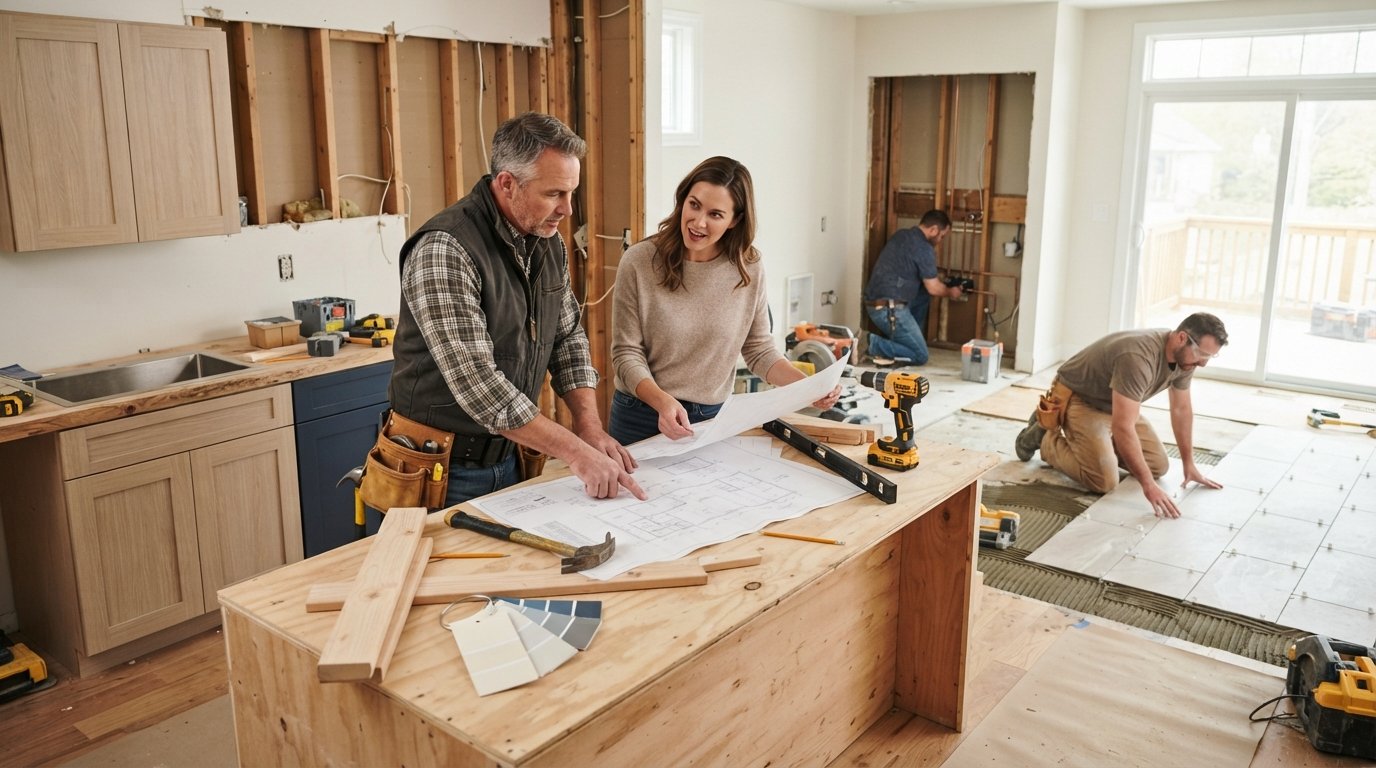
Home Remodeling Services Explained: Professional Options
Understand your home remodeling services explained professional options, from general contractors to design-build firms, to plan a successful renovation.
By Danica Leslie
Learn more about Home Remodeling for guides, costs, and what to expect.
Compare Home Remodeling Pros Near You

Enter your ZIP code to compare top-rated local professionals and request free quotes.
Your home is likely your largest investment, and deciding to remodel it is a significant milestone. Whether you are dreaming of a modern kitchen, a spa-like bathroom, or a fully finished basement, the path from vision to reality is paved with choices. The term "home remodeling services" can feel broad, encompassing everything from a simple paint refresh to a full-scale structural overhaul. Understanding the professional options available is the first step toward a successful project. It empowers you to ask the right questions, set realistic expectations, and choose the right team for the job. This guide breaks down the types of services, how to evaluate them, and how to navigate the process with confidence.
Defining Professional Home Remodeling Services
At its core, professional home remodeling involves hiring licensed and experienced individuals to alter, repair, or improve your home's structure or design. Unlike a DIY project, professional services bring a level of expertise, safety, and efficiency that is difficult to replicate on your own. These services are not monolithic; they span a wide spectrum of specialties. Some professionals focus on a single trade, like plumbing or electrical work, while others manage the entire project from start to finish.
The scope of work determines the type of professional you need. A minor update, such as replacing a faucet or installing new light fixtures, might only require a handyman or a specific trade specialist. However, a major renovation, such as removing a wall to create an open-concept living space or adding a second story, demands a team of professionals coordinated by a general contractor. Understanding this distinction is crucial for budgeting and planning. It helps you avoid the common pitfall of hiring a specialist for a job that requires a broader skill set, or vice versa.
Moreover, professional services include more than just the physical labor. They encompass design consultation, permit acquisition, material sourcing, and project management. A full-service remodeling firm will handle these administrative and creative tasks, ensuring your project complies with local building codes and matches your aesthetic vision. This comprehensive approach saves you time and reduces the risk of costly errors or legal issues down the line.
Types of Professional Remodeling Experts
When you start looking for help, you will encounter a variety of titles and roles. Each plays a specific part in the remodeling ecosystem. Knowing who does what will help you assemble the right team for your project. The most common professionals you will encounter include general contractors, design-build firms, architects, and specialized tradespeople.
General contractors are the conductors of the remodeling orchestra. They manage the entire project, hiring and supervising subcontractors, ordering materials, and ensuring the work meets quality standards and deadlines. Design-build firms offer a one-stop-shop approach, handling both the design and construction phases under one roof. This can streamline communication and reduce the friction that sometimes occurs between separate designers and builders. Architects are typically involved in projects that require structural changes, major additions, or complex design elements. They create the blueprints and ensure the design is both functional and aesthetically pleasing. Finally, specialized tradespeople (plumbers, electricians, carpenters, painters) are the experts who execute specific tasks.
Choosing the right type of professional depends on the complexity of your project. For a simple bathroom refresh, a design-build firm or a general contractor might be sufficient. For a whole-house renovation or a historic restoration, you will likely need an architect and a specialized general contractor. It is also important to verify credentials. Always check for licenses, insurance, and references. A reputable professional will be transparent about their qualifications and happy to provide proof of their work.
Key Stages of a Professional Remodeling Project
Understanding the project lifecycle can demystify the remodeling process. While every project has unique twists, most follow a similar arc: planning, design, permitting, construction, and final inspection. Being aware of these stages helps you anticipate what comes next and keeps the project on track.
The first stage is the initial consultation and planning. This is where you discuss your vision, budget, and timeline with a professional. They will assess your space and offer feedback on feasibility. The next stage is design and material selection. If you are working with a design-build firm or an architect, they will create drawings and 3D renderings. You will also select finishes, fixtures, and materials. This stage is critical for finalizing the budget, as material choices can significantly impact the cost.
Once the design is finalized, the project moves to permitting and preparation. Your contractor will obtain the necessary building permits from your local municipality. This step ensures the work complies with safety and zoning regulations. After permits are approved, construction begins. This phase involves demolition, structural work, installation of mechanical systems (plumbing, electrical, HVAC), and finishing work (drywall, painting, flooring). Finally, there is a final walkthrough and inspection. You and your contractor will review the work, create a punch list of any remaining items, and ensure everything meets your satisfaction before final payment.
How to Choose the Right Professional Options for Your Needs
With so many options, selecting the right professional can feel overwhelming. However, a systematic approach can simplify the decision. Start by defining your project scope and budget. Are you looking for a quick cosmetic update or a major structural change? Knowing this will narrow down the type of professional you need. Next, research local contractors and remodeling services. Look for companies with experience in projects similar to yours. Read reviews, check their portfolio, and ask for references.
When you have a shortlist, schedule interviews. Ask detailed questions about their process, timeline, and how they handle change orders. A good contractor will be communicative and transparent. They will also provide a detailed written estimate that outlines costs for labor, materials, and any other expenses. Be wary of estimates that are significantly lower than others; they may indicate cut corners or hidden costs. It is also wise to ask about warranties and guarantees on their work.
To help you compare options, here is a quick checklist of key factors to evaluate:
- Licensing and Insurance: Verify that the contractor holds a valid license for your state and carries both general liability and workers' compensation insurance.
- Experience and Portfolio: Look for a proven track record with projects similar in scope and style to yours.
- References and Reviews: Contact past clients and read online reviews to gauge satisfaction and reliability.
- Communication and Transparency: Choose a professional who answers your questions clearly and provides detailed, written estimates.
- Timeline and Budget: Ensure their proposed schedule and budget align with your expectations and constraints.
Beyond these factors, trust your instincts. If a contractor seems evasive or pressures you into a quick decision, it is a red flag. A professional remodeling experience should feel collaborative, not stressful. Taking the time to vet your options thoroughly will pay off in the long run, saving you from costly mistakes and ensuring your project meets your vision.
Costs, Budgeting, and Financing Professional Remodeling
Budgeting is often the most stressful part of remodeling. Costs vary widely based on location, scope, materials, and labor rates. It is essential to establish a realistic budget early and include a contingency fund for unexpected issues. A common rule of thumb is to set aside 10 to 20 percent of your total budget for surprises. For example, if your budget is $50,000, plan for an additional $5,000 to $10,000 for unforeseen expenses like hidden water damage or structural repairs.
When you receive estimates, compare them line by line. Ensure they include all aspects of the project, from permits to cleanup. Some contractors may provide a lump-sum estimate, while others break down costs by category. A detailed estimate is preferable as it gives you a clear picture of where your money is going. If you need financing, explore options such as home equity loans, personal loans, or contractor financing plans. Many remodeling companies offer financing, which can make a large project more manageable.
It is also important to understand the difference between cost and value. While it is tempting to choose the lowest bid, that can sometimes lead to poor quality work or unfinished projects. Investing in a reputable professional who uses quality materials will ultimately provide better value and a higher return on investment. For homeowners looking to maximize their home's value, strategic renovations like a finished basement can add significant square footage and appeal. Similarly, working with a network that connects you to vetted professionals, such as 180 Remodel, can streamline the process of getting multiple quotes and finding the right fit for your budget.
Specialized Services and Emerging Trends
The remodeling industry is constantly evolving, with new trends and technologies shaping the options available to homeowners. In 2026, we see a strong emphasis on energy efficiency, smart home integration, and sustainable materials. Professionals now offer specialized services like solar panel installation, which can reduce energy bills and increase home value. HVAC upgrades, including high-efficiency systems and smart thermostats, are also in high demand as homeowners seek to improve comfort and lower utility costs.
Another trend is the focus on outdoor living spaces. Decks, patios, and sunrooms are being designed as extensions of the home, complete with outdoor kitchens and entertainment systems. Professionals who specialize in these areas can help you create a seamless transition between indoor and outdoor living. Additionally, universal design is gaining traction, with modifications that make homes accessible for all ages and abilities. This includes wider doorways, zero-threshold showers, and adjustable countertops.
When considering specialized services, it is important to work with professionals who have specific experience in that area. For example, installing solar panels requires knowledge of electrical systems and roofing. A general contractor may subcontract this work to a certified solar installer. Always ask about certifications and training when hiring for specialized projects. Staying informed about these trends can help you make decisions that not only enhance your home's current appeal but also future-proof it for years to come.
Managing the Remodeling Relationship
Once you have hired a professional, the relationship management begins. Clear communication is the cornerstone of a successful project. Establish a communication plan early: how often will you meet, who is your main point of contact, and how will changes be documented? Regular site meetings, whether weekly or bi-weekly, can help catch issues early and keep everyone aligned. It is also important to keep a record of all communications, including emails, texts, and change orders.
Change orders are a common source of tension. They occur when you or the contractor need to alter the original scope of work. This could be due to discovering hidden damage or deciding to upgrade materials. Always insist on a written change order that details the additional cost and time required. Verbal agreements can lead to disputes later. A professional contractor will have a formal process for handling changes and will not proceed without your written approval.
Finally, respect the process and the professionals working in your home. Remodeling is disruptive, and it is natural to feel stressed. However, maintaining a positive and respectful attitude can go a long way. If you have concerns, address them promptly and professionally. A collaborative approach often leads to better outcomes and a smoother experience for everyone involved. Remember, the goal is to create a space you love, and a good working relationship with your contractor is key to achieving that.
Navigating the world of home remodeling services does not have to be daunting. By understanding the professional options, from general contractors to specialized trades, and following a structured approach to planning, budgeting, and communication, you can turn your renovation dreams into reality. Take the time to research, ask questions, and choose a partner who shares your vision. With the right team, your remodeling project can be a rewarding experience that adds both beauty and value to your home.