
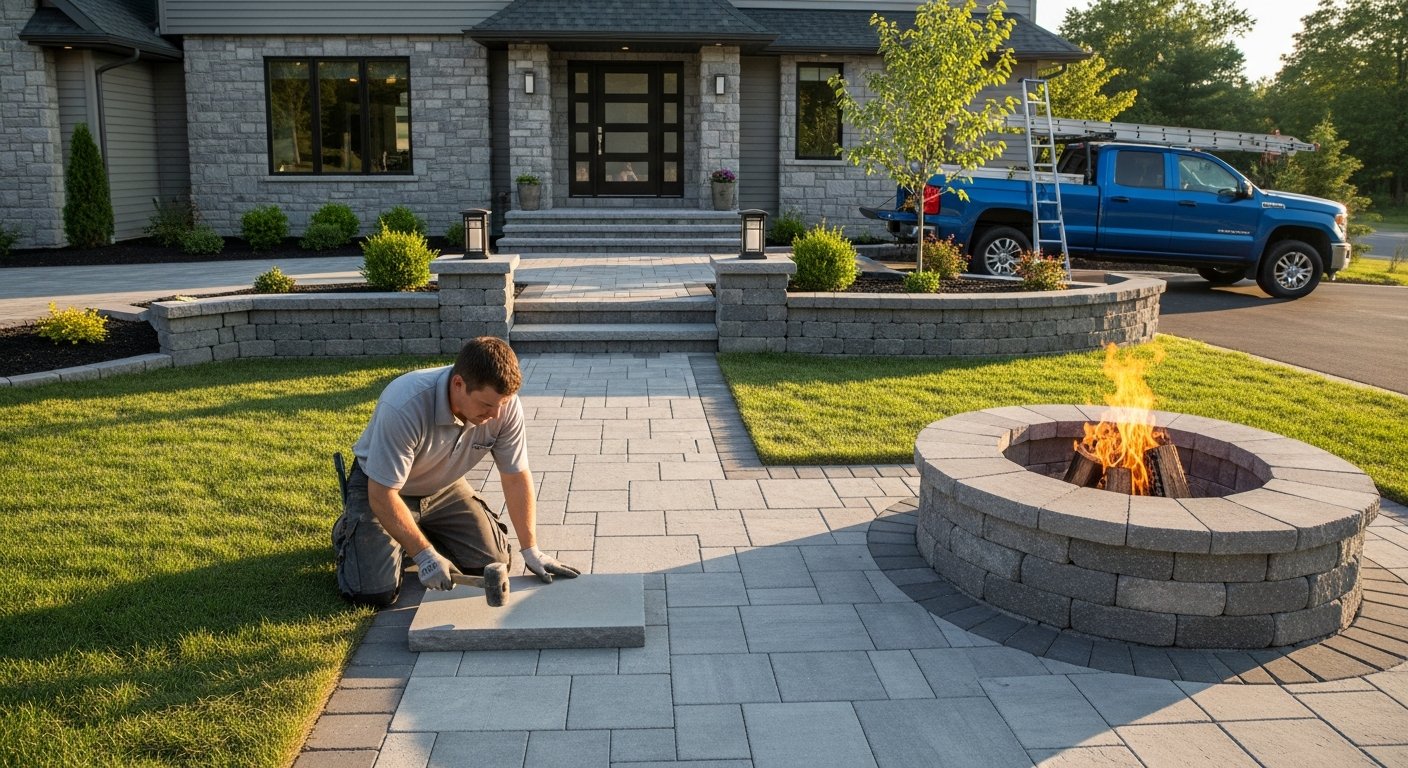
Hardscaping Ideas to Boost Curb Appeal and Home Value
Discover how hardscaping enhances curb appeal, adds value, and creates usable outdoor space, with tips for planning and hiring pros.
By Jessica Reis
Learn more about Outdoor Landscaping and Design for guides, costs, and what to expect.
Compare Outdoor Landscaping and Design Pros Near You

Enter your ZIP code to compare top-rated local professionals and request free quotes.
When you think about improving your home's exterior, your mind might jump to a fresh coat of paint, a new roof, or lush landscaping. But there is another layer that often gets overlooked: hardscaping. This term refers to the non-living elements of your outdoor space, such as patios, walkways, retaining walls, and stone features. These elements provide structure, function, and style to your yard, and they play a major role in how your property looks and feels. More importantly, well-executed hardscaping can significantly increase your home's value and curb appeal, making it a smart investment for any homeowner.
Unlike planting flowers or laying sod, hardscaping requires careful planning, professional skills, and durable materials. It is not a weekend DIY project for most people, because the work involves excavation, drainage considerations, and precise installation. That is where a platform like USremodel can help. By connecting you with experienced contractors who specialize in outdoor construction, you can ensure your hardscaping project is done right, on time, and within your budget. This guide will walk you through the key elements of hardscaping, the benefits it offers, and how to plan a successful project from start to finish.
What Is Hardscaping and Why Does It Matter?
Hardscaping is the term used for the hard, non-organic components of your landscape. This includes patios, decks, driveways, walkways, retaining walls, outdoor kitchens, fire pits, and even decorative rocks or gravel. In contrast, softscaping refers to the living elements like grass, trees, shrubs, and flowers. Both are essential for a balanced and functional outdoor space, but hardscaping provides the bones, the structure that defines how you use your yard.
The importance of hardscaping goes beyond aesthetics. It helps manage water runoff, prevents soil erosion, and creates usable areas for entertaining, dining, or simply relaxing. A well-designed patio can extend your living space outdoors, while a retaining wall can turn a sloped, unusable yard into a terraced garden. These features add tangible value to your home, both in terms of resale price and everyday enjoyment. According to many real estate experts, outdoor living spaces are among the top features buyers look for, and hardscaping is a key component of that appeal.
Top Hardscaping Features to Consider
Before you pick up the phone to call a contractor, it helps to understand the range of hardscaping options available. Each feature serves a different purpose and comes with its own costs and benefits. Here are some of the most popular and impactful hardscaping elements homeowners choose:
- Patios and Decks: These are the centerpiece of most outdoor living areas. Patios are typically made from concrete, pavers, or stone, while decks are wooden or composite structures. They provide a flat, stable surface for furniture, grills, and activities.
- Walkways and Pathways: These guide visitors from the driveway to the front door or connect different areas of your yard. They can be made from pavers, flagstone, gravel, or concrete and add both function and visual interest.
- Retaining Walls: These are structural walls that hold back soil, preventing erosion and creating level terraces on sloped properties. They can be built from concrete blocks, natural stone, or timber.
- Outdoor Kitchens and Fire Pits: These features turn your backyard into an entertainment hub. A built-in grill, countertop, and fire pit can make your outdoor space usable well into the evening and cooler months.
- Driveways and Parking Areas: Beyond just a place to park, a well-paved driveway made of pavers or stamped concrete can dramatically enhance your home's curb appeal.
Each of these elements requires different materials, labor, and expertise. For instance, a simple gravel path is a manageable DIY project, but a multi-level paver patio with built-in seating and a fire pit is a complex job that demands professional skills. When you plan a hardscaping project, think about how you want to use your outdoor space. Do you host large gatherings? Then a spacious patio with an outdoor kitchen might be ideal. Do you have a steep backyard that is hard to mow? A retaining wall with terraced plantings could solve that problem while adding beauty.
The Benefits of Professional Hardscaping
Many homeowners are tempted to tackle hardscaping projects themselves to save money. However, the complexity of these projects often leads to costly mistakes. Professional hardscaping contractors bring a level of expertise that ensures your investment lasts for decades. They understand the importance of proper site preparation, including soil compaction, drainage, and base layers. Skipping these steps can result in cracked pavers, sinking patios, and water pooling around your foundation.
Another advantage of hiring a professional is access to high-quality materials and the latest installation techniques. Contractors have relationships with suppliers and can often source materials at better prices than you could on your own. They also know which materials are best suited for your local climate. For example, in areas with freeze-thaw cycles, they will choose pavers and base materials that can withstand the expansion and contraction of the ground. This attention to detail prevents premature failure and saves you from expensive repairs down the road.
Finally, professional hardscaping can save you a significant amount of time. A project that might take you several weekends of backbreaking labor could be completed in a few days by an experienced crew. This not only reduces the disruption to your daily life but also ensures the work is done safely and efficiently. When you use a service like USremodel, you can receive quotes from multiple vetted contractors, allowing you to compare pricing and expertise before making a decision. This takes the guesswork out of hiring and gives you peace of mind knowing that you are getting a fair price for quality work.
How to Plan a Hardscaping Project
Planning is the most critical phase of any hardscaping project. A well-thought-out plan can prevent budget overruns, delays, and disappointment. Here is a step-by-step framework to guide you through the planning process:
- Define your goals and budget. What do you want to achieve with your hardscape? Are you looking to create a quiet retreat, a space for entertaining, or simply improve curb appeal? Set a realistic budget, keeping in mind that you should allocate an additional 10-20% for unexpected costs.
- Assess your site. Take a close look at your property. Note the slope, drainage patterns, and existing trees or structures. Consider how much sunlight the area receives and how you will access the space. This assessment will influence your design choices.
- Choose materials and design. Select materials that complement your home's architecture and the surrounding landscape. Create a rough sketch of the layout, or work with a designer to develop a detailed plan. Consider the functionality of the space, such as traffic flow and seating areas.
- Find a qualified contractor. This is where USremodel shines. Fill out a simple form on the platform, and you will receive quotes from independent contractors in your area. Review their experience, check references, and ask about their licensing and insurance.
- Get permits and approvals. Depending on the scope of your project, you may need a building permit from your local municipality. Your contractor can usually handle this process, but it is essential to verify that all necessary approvals are obtained before construction begins.
Throughout the planning phase, communication with your contractor is key. Be clear about your expectations, and ask questions if anything is unclear. A reputable contractor will provide a detailed contract that outlines the scope of work, materials, timeline, and payment schedule. This protects both parties and ensures there are no surprises along the way.
Hardscaping Maintenance and Longevity
One of the biggest selling points of hardscaping is its low maintenance requirements compared to softscaping. You do not need to water, mow, or fertilize a stone patio. However, hardscaping is not completely maintenance-free. Regular cleaning and occasional repairs are necessary to keep your features looking their best and to extend their lifespan.
For paver patios and walkways, the main maintenance tasks are sweeping away debris and washing the surface with a mild detergent or a pressure washer. Over time, weeds may sprout between the pavers, which can be treated with a weed killer or removed manually. The sand in the joints may also wash away, requiring periodic replenishment. Sealing the pavers every few years can protect them from stains and color fading.
Retaining walls, especially those made of natural stone, should be inspected annually for signs of movement or cracking. Proper drainage behind the wall is critical, so ensure that any weep holes or drains are not blocked. For wooden decks, regular staining or sealing is necessary to protect the wood from moisture and UV damage. Composite decks are lower maintenance but still benefit from routine cleaning.
By staying on top of these simple tasks, you can preserve the beauty and functionality of your hardscape for many years. When you hire a professional contractor through USremodel, they can also provide guidance on the specific maintenance requirements of the materials they install. This proactive approach saves you from costly repairs and keeps your outdoor space looking pristine.
Integrating Hardscaping with Your Landscape
A common mistake is to treat hardscaping and softscaping as separate entities. In reality, the most stunning outdoor spaces are those where the two are seamlessly integrated. The hardscape provides the structure, while the softscape softens the edges and adds color, texture, and life. Together, they create a cohesive and inviting environment.
When designing your hardscape, think about how plants will interact with it. For example, a retaining wall becomes more beautiful when it is adorned with cascading flowers or shrubs. A patio feels more private and cozy when surrounded by ornamental grasses or evergreen hedges. The key is to use plants to soften the harsh lines of stone or concrete and to create a natural transition between your home and the landscape.
Lighting is another essential element that bridges hardscape and softscape. Well-placed outdoor lights can highlight the texture of a stone wall, illuminate a pathway, and create a warm ambiance for evening gatherings. Your contractor can help you plan the electrical rough-ins for lighting during the construction phase, so you do not have to retrofit later. This attention to detail elevates your outdoor space from ordinary to extraordinary.
If you are ready to transform your yard with hardscaping, the next step is simple. Visit USremodel and fill out a quick form to receive free, customized quotes from local contractors who specialize in this type of work. With the right team on your side, you can enjoy a beautiful, functional outdoor space that adds real value to your home.
Learn more about Outdoor Landscaping and Design for guides, costs, and what to expect.
Compare Outdoor Landscaping and Design Pros Near You
Enter your ZIP code to compare top-rated local professionals and request free quotes.