
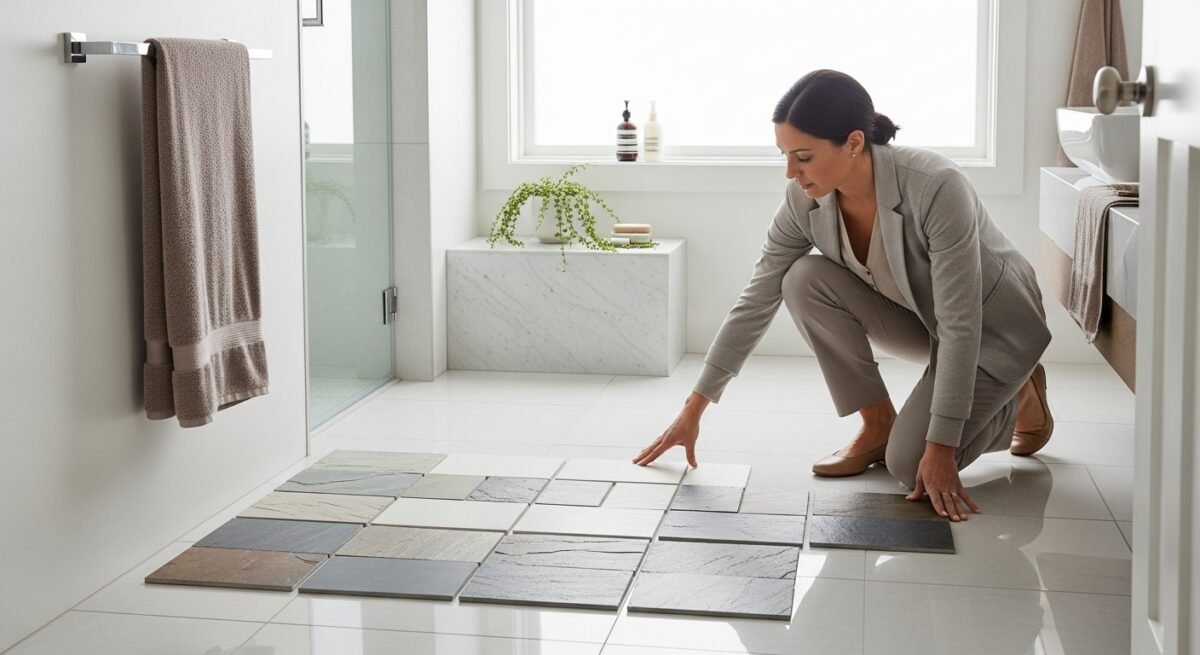
A Homeowner’s Guide to Bathroom Floor Tiles
Your guide to choosing, maintaining, and repairing bathroom floor tiles. Learn how to prevent water damage and ensure a safe, durable floor for your home.
By Eric Andrew
Learn more about Bathroom Remodel for guides, costs, and what to expect.
Compare Bathroom Remodel Pros Near You

Enter your ZIP code to compare top-rated local professionals and request free quotes.
Choosing and maintaining bathroom floor tiles can feel overwhelming. You want something that looks great, feels comfortable underfoot, and can withstand the daily splash and steam of your bathroom. The wrong choice or a hidden problem can lead to slippery surfaces, water damage, and costly repairs. This guide breaks down everything you need to know in simple terms, so you can make confident decisions for your home.
Protect your home from water damage. Call 📞833-700-4293 or visit Get Expert Advice for a free, professional assessment of your bathroom tiles.
Understanding Bathroom Floor Tiles
Bathroom floor tiles are more than just a decorative finish. They are a critical protective layer for one of the wettest rooms in your house. A well-chosen and properly installed tile floor creates a waterproof barrier, protecting your subfloor from moisture that can cause rot, mold, and structural damage.
Tiles come in a vast array of materials, sizes, and textures. From classic ceramic and porcelain to natural stone like slate or marble, each type has its own strengths. The right tile balances your style with practical needs like slip resistance, ease of cleaning, and durability against soaps and cleaning products.
Key Tile Materials Explained
Porcelain and ceramic are the most popular choices for good reason. Porcelain is denser, less porous, and extremely durable, making it ideal for high-moisture areas. Natural stone offers unmatched beauty but requires more maintenance, like periodic sealing. Vinyl and luxury vinyl tile (LVT) provide waterproof, comfortable, and cost-effective options with realistic looks.
Why It Matters for Homeowners
Your bathroom floor tiles play a huge role in your home’s safety, health, and value. Cracked, loose, or improperly sealed tiles are not just an eyesore; they are entry points for water. This hidden moisture can lead to mold growth behind walls and under floors, creating potential health hazards and inviting expensive repairs.
A well-installed tile floor also adds to your home’s comfort and resale value. It feels solid underfoot, is easy to keep clean and hygienic, and creates a finished, polished look that buyers appreciate. Investing in quality materials and professional installation pays off in the long run by preventing problems before they start.
Are your bathroom tiles cracked, loose, or showing signs of water damage? Don’t let a small issue become a major repair. Contact our certified tile experts at Repairmen today
Common Issues and Their Causes
Even the best tile floors can develop problems over time. Understanding what causes these issues helps you spot them early. The most common culprit is water. When grout cracks or tiles become loose, water seeps underneath, weakening the adhesive and the subfloor.
Movement in your home’s foundation or floor framing, known as settling, can also stress a tiled surface. This can cause cracking, especially if the tile was installed without a proper underlayment designed to absorb slight shifts. Using the wrong type of adhesive or tile for a wet environment is another frequent cause of failure.
- Cracked or loose tiles: Often caused by water intrusion, subfloor movement, or improper installation.
- Discolored or moldy grout: A sign of constant moisture and poor ventilation.
- A spongy or soft floor: A serious warning sign of water-damaged subfloor underneath the tiles.
- Chipped tile edges: Can result from impact damage or tiles that are not rated for floor traffic.
How Professionals Fix the Problem
Professional tile repair or installation is a methodical process that ensures a long-lasting result. It starts with a thorough assessment. A pro will identify the root cause of the problem, whether it’s a failing subfloor, poor waterproofing, or simply worn-out materials.
For repairs, the process involves carefully removing the damaged tiles and any compromised adhesive or underlayment. The area is dried, prepared, and leveled before new tiles are set with the correct mortar. For a full installation, professionals focus on creating a perfectly flat, stable, and waterproof substrate before a single tile is laid. Proper grouting and sealing are the final, crucial steps.
- Diagnosis & Removal: Identify the cause and carefully remove damaged materials.
- Substrate Preparation: Repair or install underlayment, ensuring it is level and waterproof.
- Setting & Grouting: Precisely set tiles with appropriate mortar, then apply and seal grout.
Seeing signs of tile trouble? Professional repair can save your subfloor and prevent mold. Let Repairmen provide a durable, expert solution.
Signs You Should Not Ignore
Some tile problems start small but can quickly escalate. Paying attention to early warnings can save you thousands of dollars. If you notice a single loose tile, address it immediately before water gets underneath and affects neighboring tiles.
A musty smell in the bathroom is a major red flag, often indicating mold growth beneath the surface. Similarly, tiles that feel springy or soft when you walk on them signal that the wood subfloor beneath is rotting and losing its strength. These are not cosmetic issues; they are structural warnings.
- Loose, cracked, or missing tiles.
- A persistent musty odor in the bathroom.
- Tiles or grout that are permanently stained or darkening.
- The floor feels soft, spongy, or uneven underfoot.
- Visible cracks in the grout lines that allow water through.
Cost Factors and What Affects Pricing
The cost of bathroom tile work depends on several key factors. The scope of the job is the biggest one. A simple repair of a few tiles costs far less than a full floor replacement. The type of tile you choose also significantly impacts the budget, with natural stone and large-format tiles generally costing more for materials and installation.
Protect your home from water damage. Call 📞833-700-4293 or visit Get Expert Advice for a free, professional assessment of your bathroom tiles.
Labor is a major component. Jobs that require extensive subfloor repair, custom waterproofing, or intricate patterns take more skill and time. Your location and the current condition of your bathroom also play a role. An experienced professional will provide a clear, detailed estimate that breaks down all these factors so there are no surprises.
Ready for a beautiful, worry-free bathroom floor? Get a transparent quote and expert craftsmanship. Call Repairmen at (555) 123-4567 to discuss your project and get a precise estimate tailored to your needs.
How To Choose the Right Professional or Service
Selecting the right contractor is as important as choosing the tile. Look for a specialist with proven experience in bathroom tile work, not just general contracting. Bathrooms have specific waterproofing requirements that a tile specialist will understand intimately.
Always ask for references and photos of past bathroom projects. A reputable pro will gladly provide them. Ensure they are properly licensed and insured to protect your home. Finally, choose someone who communicates clearly, answers your questions patiently, and provides a detailed written contract outlining the materials, timeline, and costs.
Long-Term Benefits for Your Home
Investing in quality bathroom floor tiles and professional installation delivers lasting rewards. First and foremost, it provides peace of mind. You’ll have a waterproof, safe surface that resists slips and inhibits mold growth, protecting your family’s health.
Durable tiles last for decades with minimal maintenance, saving you money on repeated repairs or premature replacements. They also enhance your daily comfort and the overall aesthetic of your home. Ultimately, a well-executed tile floor is an investment that preserves your home’s structure and increases its appeal and value for years to come.
Frequently Asked Questions
What is the most durable type of bathroom floor tile?
Porcelain tile is widely considered the most durable option for bathrooms. It is extremely dense, water-resistant, and resistant to scratches, stains, and moisture, making it ideal for high-traffic, wet areas.
How often should bathroom grout be sealed?
Grout should be sealed after installation and then re-sealed approximately every 1 to 2 years, depending on use. You can test it by spraying a little water on the grout; if it darkens or absorbs the water, it’s time to reseal.
Can I install new tile over my old bathroom floor tiles?
It is sometimes possible, but not generally recommended. It adds height, requires perfect condition of the old tiles, and hides potential problems. Professional removal and starting with a proper substrate is almost always the better long-term solution.
Why are my bathroom tiles cracking?
Cracking is often caused by movement in the subfloor, a lack of expansion joints, or a substrate that wasn’t properly prepared. It can also be due to using a tile that isn’t rated for floor use or impact damage.
What is the best tile for a slippery bathroom floor?
Look for tiles with a textured, matte, or honed finish. Many porcelain and ceramic tiles come with a high Coefficient of Friction (COF) rating for slip resistance. Avoid high-gloss polished tiles on bathroom floors.
How long does a professional tile installation take?
For a standard bathroom, the installation itself typically takes 2-3 days, including drying time for mortar and grout. However, the full project timeline can be longer if significant subfloor repair or waterproofing is needed.
Is mold under tiles a serious problem?
Yes. Mold under tiles indicates significant water intrusion and can pose health risks, including allergies and respiratory issues. It also means the underlying structure may be damaged, requiring immediate professional attention.
Can cracked grout cause water damage?
Absolutely. Cracked or missing grout acts as a direct channel for water to seep under your tiles. This is a leading cause of subfloor rot and mold growth behind bathroom walls.
Your bathroom floor is a foundational element of your home’s health and comfort. By choosing the right materials and relying on skilled professionals for installation and repair, you invest in safety, durability, and lasting beauty. Whether you’re fixing a single loose tile or planning a full renovation, taking informed action protects your home and your family.
Protect your home from water damage. Call 📞833-700-4293 or visit Get Expert Advice for a free, professional assessment of your bathroom tiles.
Learn more about Bathroom Remodel for guides, costs, and what to expect.
Compare Bathroom Remodel Pros Near You
Enter your ZIP code to compare top-rated local professionals and request free quotes.