
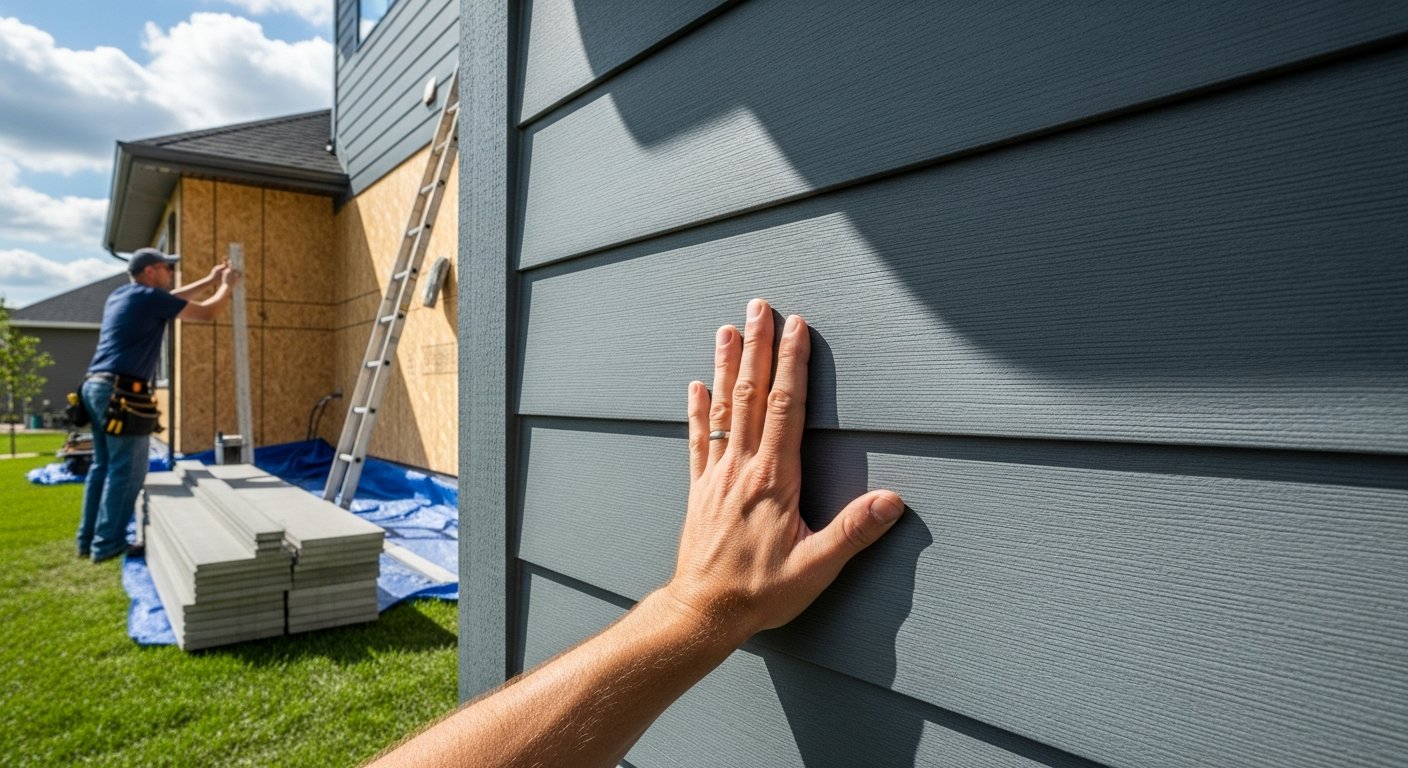
Fiber Cement Siding: A Homeowner's Guide to Durability
Explore how fiber cement siding can transform your home with superior durability, fire resistance, and long-term value, making it a smart choice for any renovation.
By Justin Blake
Learn more about Siding Installation for guides, costs, and what to expect.
Compare Siding Installation Pros Near You

Enter your ZIP code to compare top-rated local professionals and request free quotes.
When it comes to protecting your home from the elements, the exterior is your first line of defense. Among the many cladding options available, fiber cement siding has emerged as a top contender for homeowners who want a blend of beauty, resilience, and long-term value. This material is not just a trend; it is a practical solution that addresses the most common frustrations with traditional wood, vinyl, and aluminum siding. If you are planning a renovation or building a new home, understanding the true capabilities and considerations of fiber cement can help you make an informed decision that you will be happy with for decades.
What Exactly Is Fiber Cement Siding?
Fiber cement siding is a composite material made from a precise mixture of Portland cement, sand, cellulose fibers, and water. The combination of these ingredients creates a product that is incredibly strong, durable, and resistant to many of the issues that plague other siding materials. The cellulose fibers act as a binder, giving the material its flexibility and strength, while the cement provides its structural rigidity and fire resistance. This blend results in a siding that can mimic the look of wood, stucco, or masonry, but with superior performance characteristics.
Unlike wood siding, which can rot, warp, and attract pests, fiber cement is engineered to withstand moisture, insects, and extreme temperatures. It also stands up to high winds, hail, and even fire, making it a smart investment for homes in various climates. Because of its composition, it is often heavier than vinyl, which contributes to its solid feel and its ability to resist physical damage from impacts. This weight also means it holds paint exceptionally well, providing a more stable substrate than wood.
Why Choose Fiber Cement Over Other Siding Materials?
The decision to choose fiber cement siding often comes down to a comparison with other popular materials. Each option has its own set of pros and cons, but fiber cement consistently ranks high for its overall balance of durability, aesthetics, and low maintenance. To help you visualize the landscape, here is a breakdown of how it compares to its main rivals:
- Fiber Cement vs. Vinyl: Vinyl is cheaper and lighter, but it can crack in extreme cold, fade over time, and can look less authentic. Fiber cement is more expensive upfront but offers a more premium look, better fire resistance, and a longer lifespan.
- Fiber Cement vs. Wood: Wood offers natural beauty but requires regular painting or staining, is susceptible to termites and rot, and is a fire hazard. Fiber cement can replicate the look of wood without any of these maintenance headaches.
- Fiber Cement vs. Aluminum: Aluminum is lightweight and rust-resistant, but it is prone to denting and can be noisy in rain or hail. Fiber cement is more substantial, quieter, and more resistant to dents and dings.
While fiber cement is not the cheapest option on the market, its longevity and low maintenance requirements often make it a more cost-effective choice over the long run. Many manufacturers offer warranties that last 30 years or more, which is a testament to its durability. For homeowners who plan to stay in their homes for a decade or more, the initial investment is frequently justified by the reduced need for repairs and repainting.
The Top Benefits of Installing Fiber Cement Siding
There are numerous advantages to choosing fiber cement siding for your home. These benefits go beyond simple aesthetics, impacting your home's safety, efficiency, and resale value. Understanding these can help you see why it is a top choice for many remodeling projects.
Unmatched Durability and Weather Resistance
Fiber cement is celebrated for its ability to handle severe weather. It is rated to withstand hurricane-force winds, heavy rain, and extreme temperature swings without warping, cracking, or rotting. This resilience is a major selling point for homeowners in areas prone to storms or harsh winters. It also offers excellent resistance to moisture, which prevents the growth of mold and mildew, protecting not just the siding itself but also the underlying structure of your home.
Fire Resistance for Peace of Mind
One of the most significant safety advantages of fiber cement is its non-combustible nature. It is made with cement, which does not ignite, helping to prevent the spread of fire to your home's frame. This can be a crucial factor in wildfire-prone regions and can also lead to lower home insurance premiums in some areas. Homeowners can have greater peace of mind knowing that their home's exterior offers a level of fire protection that wood or vinyl cannot match.
Low Maintenance and Longevity
Once installed, fiber cement siding requires remarkably little upkeep. Unlike wood, it does not need to be repainted every few years. The factory-applied primer and paint are designed to last for many years, and the material itself does not attract termites or other pests. This low maintenance requirement translates to significant savings in both time and money over the lifespan of your home. You spend less time on ladders and more time enjoying your home.
Enhanced Curb Appeal and Home Value
Fiber cement siding can dramatically improve the look of your home. It is available in a wide range of styles, including lap siding, shingles, and vertical panels, and can be painted in virtually any color. This versatility allows you to achieve a custom look that matches your personal taste and complements your home's architecture. Because of its durability and aesthetic appeal, fiber cement siding is a wise investment that can increase your home's resale value, making it a desirable feature for potential buyers.
Understanding the Cost of Fiber Cement Siding
The cost of fiber cement siding is often the biggest point of consideration for homeowners. It is generally more expensive than vinyl or aluminum, but less than premium options like natural wood or some engineered woods. The total cost will depend on several factors, including the size of your home, the architectural complexity, your location, and the contractor you hire. On average, homeowners can expect to pay between $6 and $12 per square foot for materials and installation.
While the upfront cost is higher, it is essential to consider the lifetime value. You will avoid the recurring expenses of repainting, repairing rot, and replacing damaged panels. With a lifespan of 50 years or more, fiber cement siding can actually be one of the most economical choices over time. To get a precise estimate for your project, it is best to get quotes from multiple professional contractors. This will help you understand your local market rates and choose a solution that fits your budget without sacrificing quality.
Installation Considerations for Homeowners
Proper installation is critical to the performance and longevity of fiber cement siding. This is not a DIY-friendly material due to its weight and the need for specialized cutting tools that produce silica dust. Therefore, hiring a professional contractor is strongly recommended. A qualified installer will ensure that the siding is correctly flashed, nailed, and sealed, preventing moisture intrusion and ensuring the warranty remains valid.
When planning your project, you should discuss the specific installation methods with your contractor. This includes the type of underlayment, the correct nailing pattern, and how to handle corners and trim. A good contractor will also know local building codes and can help you obtain any necessary permits. For homeowners, the key takeaway is to invest in a professional installation to protect your investment and ensure your new siding performs as intended.
Maintenance Tips for Your Fiber Cement Siding
While fiber cement is low maintenance, it is not no-maintenance. A little care will go a long way in keeping it looking great for years. The primary maintenance task is cleaning. Dirt, dust, and mildew can accumulate over time, especially in shady or humid areas. You can clean your siding with a simple garden hose and a soft brush or a pressure washer on a low setting. Avoid using harsh chemicals or high pressure, which can damage the paint.
In addition to cleaning, you should periodically inspect your siding for any signs of damage, such as cracks, chips, or loose panels. These can occur from accidental impacts, such as from a lawnmower or a stray baseball. If you find any damage, it is best to address it quickly to prevent moisture from getting behind the siding. Small cracks can often be patched with a high-quality exterior caulk, while larger damage may require replacing a panel. Your contractor can provide guidance on the best repair methods.
Environmental Impact and Sustainability
For environmentally conscious homeowners, fiber cement siding offers several sustainability benefits. The primary materials, cement and sand, are abundant and not derived from old-growth forests, making it a more eco-friendly alternative to wood. Its long lifespan also means fewer resources are consumed over time for replacements. Furthermore, the energy required to manufacture fiber cement is relatively low compared to some other building materials.
Additionally, the thermal mass of fiber cement can help regulate indoor temperatures, potentially reducing your energy bills. It provides a barrier that can keep your home cooler in the summer and warmer in the winter. When you do eventually decide to replace your siding, fiber cement is recyclable, further reducing its environmental footprint. This combination of durability, energy efficiency, and recyclability makes it a responsible choice for those looking to minimize their environmental impact.
Choosing the Right Contractor and Getting Quotes
Selecting the right contractor is just as important as choosing the right siding material. A poorly installed premium product will not perform well, so you need to find a professional with specific experience in installing fiber cement. Start by asking for recommendations from friends, family, or neighbors. Look for contractors who are licensed, insured, and have a portfolio of completed projects. Reading online reviews can also provide valuable insights into their workmanship and customer service.
When you have a list of potential contractors, it is wise to get detailed quotes from at least three of them. These quotes should include a breakdown of material costs, labor, and any additional fees. Be wary of quotes that are significantly lower than the others, as they may indicate the use of inferior materials or a lack of experience. Ask about their warranty on both materials and labor. A reputable contractor will stand behind their work and offer a guarantee. This process of due diligence will ensure that you get a high-quality installation that will protect your home for decades.
Ultimately, fiber cement siding is a powerful upgrade for any home. It offers a rare combination of beauty, strength, and longevity that other materials cannot match. While the initial investment is higher, the long-term savings in maintenance and the added value to your property make it a smart financial decision. If you are ready to enhance your home's exterior, start by researching local contractors and gathering quotes. The peace of mind that comes from a durable, low-maintenance, and beautiful exterior is an investment in your home and your quality of life.
Learn more about Siding Installation for guides, costs, and what to expect.
Compare Siding Installation Pros Near You
Enter your ZIP code to compare top-rated local professionals and request free quotes.