
Emergency Plumbing Repair: What to Do First
A burst pipe or major leak can panic any homeowner. Learn the immediate steps to stop water, document damage, and call a licensed plumber fast.
By Eric Andrew
Learn more about Emergency Plumbing for guides, costs, and what to expect.
Compare Emergency Plumbing Pros Near You

Enter your ZIP code to compare top-rated local professionals and request free quotes.
A pipe bursts at 2 a.m., water spreads across your living room floor, and your mind races with questions about cost, damage, and who to call. In that moment, panic is natural, but action matters more. Knowing exactly what to do during a plumbing emergency can mean the difference between a quick fix and a major restoration project. This guide walks you through the essential steps to protect your home, minimize damage, and get professional help fast. Whether you face a stubborn leak, a flooded basement, or a malfunctioning water heater, you will learn how to respond with confidence and clarity.
Immediate Steps to Stop the Water
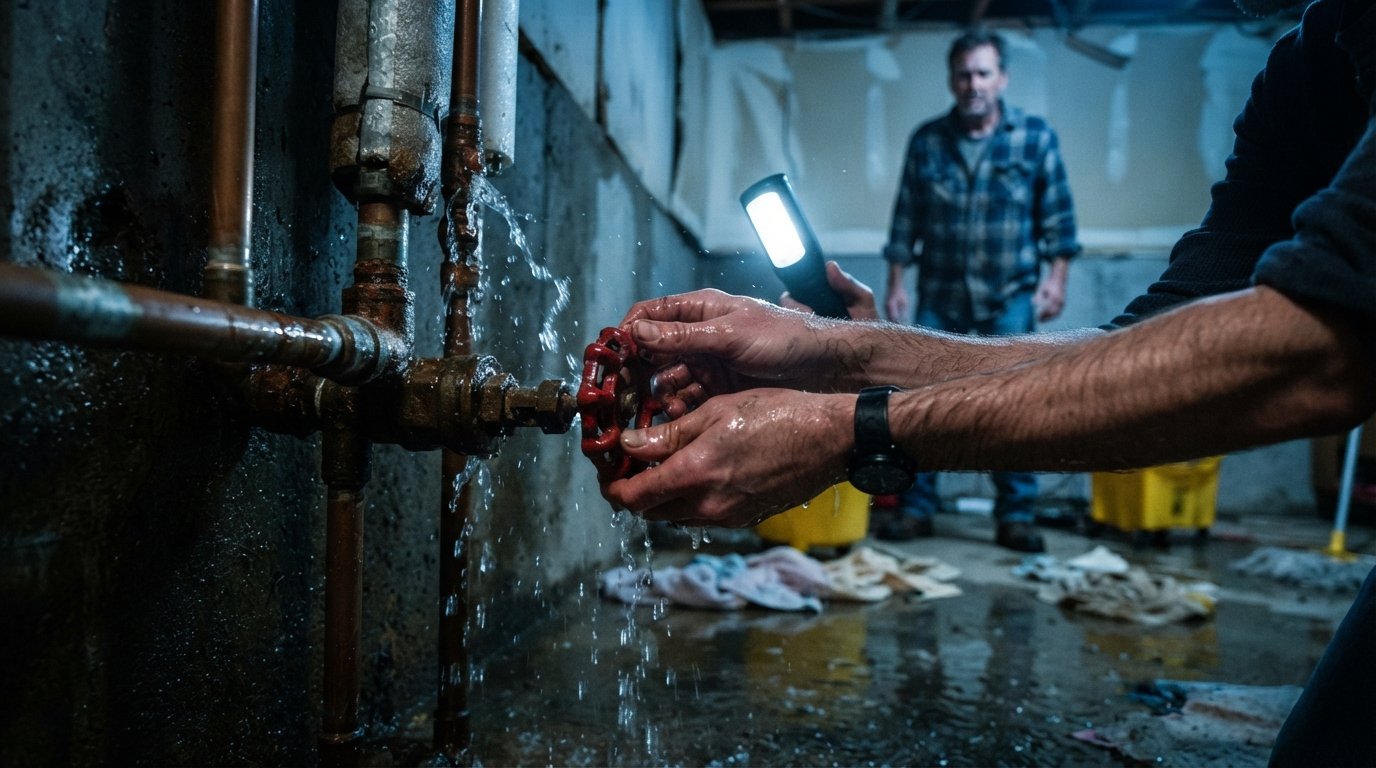
Before you even search for a plumber, your first priority is to stop the flow of water. The longer water runs, the more damage it causes to your floors, walls, and personal belongings. Every homeowner should know the location of their main water shutoff valve and how to operate it. In most single-family homes, this valve is located near the water meter, either in a basement, a crawl space, or an exterior wall. If you live in an apartment or condo, the shutoff might be in a utility closet or a shared mechanical room.
Once you turn off the main valve, open a few cold water taps throughout the house to drain the remaining water from the pipes. This relieves pressure and reduces the chance of additional leaks. If the emergency is isolated to a specific fixture, such as a toilet or a sink, you can shut off the local valve directly behind or beneath the fixture. For a water heater leak, turn off the cold water supply to the unit and switch off its power source, either the circuit breaker for an electric unit or the gas valve for a gas unit.
If you cannot find a shutoff valve, or if the valve is stuck and will not turn, you may need to call your municipal water department to shut off water at the street. Keep a valve key or an adjustable wrench near your water meter so you are prepared for this scenario. Quick action here can save you thousands of dollars in water damage repair costs, so make this a priority before anything else.
Assess the Risk and Safety Hazards
After you stop the water, take a moment to assess the situation for safety hazards. Water and electricity are a dangerous combination. If your ceiling is sagging, if water is pooling near electrical outlets, or if you smell gas, evacuate the area and call the appropriate emergency services immediately. Do not step into a flooded room if you suspect live electrical wires are submerged. Turn off the power at the main breaker only if it is safe to reach the panel without standing in water.
Plumbing emergencies can also involve sewage, which carries serious health risks. If the leak is from a wastewater line, avoid all contact with the water, wear protective gear like gloves and boots, and keep children and pets away from the area. In any emergency, your personal safety and that of your family comes first. Once you have secured the area, you can focus on mitigating damage and finding a professional.
Document the Damage for Insurance Claims
Before you start cleaning up, take time to document the damage thoroughly. This step is crucial for your insurance claim and can help you recover more of your losses. Use your phone to take photos and videos of the affected areas, including the source of the leak, standing water, damaged personal property, and any visible structural issues. Capture close-ups and wide shots so you have a complete visual record. Write down the time and date the emergency started, and note what you did to stop the water.
Many homeowners are surprised to learn that their standard insurance policy covers sudden and accidental water damage, such as a burst pipe, but not gradual damage from a slow leak. It is wise to contact your insurance company soon after you secure the property. They will guide you through the claims process and may send an adjuster to inspect the damage. Having clear documentation will make this process smoother and more favorable for you.
While you wait for the adjuster, do not throw away damaged items, as they may be needed for the claim. Instead, move them to a dry area and list them in a damage inventory. This record should include the item, its approximate value, and the date of purchase if you know it. Your thoroughness here can significantly impact your settlement.
Call a Licensed Professional Plumber
Once you have stopped the water and ensured your safety, the next step is to call a licensed and insured plumber. Emergency plumbing repair is not a DIY task, especially when water is actively leaking or the system is compromised. A professional has the tools, training, and experience to diagnose the root cause of the problem and implement a durable fix. Attempting a temporary patch yourself can lead to more damage or create a false sense of security, and it may void your insurance or your home warranty.
When you call, be ready to describe the emergency clearly: what type of leak, where it is located, and what you have done so far. Many plumbing companies offer 24/7 emergency service, but response times vary. Ask about their dispatch fees and hourly rates so you are not surprised by the bill. Also, confirm that they are licensed, insured, and bonded. A reputable plumber will provide a written estimate before starting work, even in an emergency situation.
If you do not have a trusted plumber, use a service that connects you with vetted local contractors, such as the one provided by 180Remodel. These platforms simplify the process of finding a qualified professional, often offering free quotes and a streamlined booking experience.
Common Plumbing Emergencies and Their Causes
Understanding the most frequent plumbing emergencies can help you prevent them and respond more effectively. Each type of emergency has specific warning signs and common culprits. While some issues, like a dripping faucet, are merely annoying, others, like a sewage backup, are true health hazards. Here are the most common emergencies you may encounter, along with their typical causes:
- Burst pipes: Caused by freezing temperatures, high water pressure, or corrosion. They can release gallons of water per minute.
- Severe clogs: Blockages in main sewer lines or drains, often from grease, hair, or foreign objects, leading to overflow.
- Water heater failures: Tank leaks, pressure relief valve discharge, or pilot light issues, often due to sediment buildup or age.
- Leaking fixtures: Failed seals, worn washers, or loose connections in toilets, faucets, and showerheads.
- Sewage backups: Blockages in the lateral line or city sewer, causing wastewater to back up into your home.
Recognizing the early signs of these issues, such as gurgling drains, low water pressure, or a damp spot on a wall, can help you address problems before they escalate into full-blown emergencies. Regular maintenance, like annual drain cleaning and water heater flushing, also goes a long way in prevention.
Temporary Fixes While You Wait
While you wait for the plumber to arrive, you can take a few temporary measures to reduce water damage and make the situation more manageable. These are not permanent repairs, but they can buy you time. For a leaking pipe, you can apply pipe repair tape, a rubber patch, or a pipe clamp to slow the flow. Always place a bucket or large container under the leak to catch drips, and clear the area of furniture, rugs, and electronics.
For a minor toilet leak, you can turn off the water supply to the toilet and flush to empty the tank. For a sink or bathtub clog that is causing overflow, stop using the fixture and do not run water in that drain. If you have a wet/dry vacuum, you can use it to remove standing water from floors and carpets. This not only prevents further damage but also reduces the risk of mold growth, which can begin within 24 to 48 hours.
However, be cautious with chemical drain cleaners. They can be harmful to your pipes, and they are often ineffective for major blockages. The plumber will have professional-grade tools, like augers and hydro-jetting equipment, to clear the line safely.
How to Prevent Future Plumbing Emergencies
Prevention is always better than cure, and this is especially true for plumbing systems. A small investment in maintenance can save you from the stress and expense of a major emergency. Start by learning the location of all shutoff valves in your home and labeling them clearly. Test them occasionally to ensure they are not stuck. Also, consider installing a water leak detection system, which can alert you to leaks early, sometimes before they cause significant damage.
Here are some practical prevention tips to add to your routine:
- Insulate exposed pipes in unheated areas, like basements, attics, and crawl spaces, to prevent freezing.
- Clean your drains regularly with baking soda and vinegar, and avoid pouring grease or oil down the sink.
- Inspect your water heater annually, and flush it to remove sediment that can cause corrosion and leaks.
- Replace old, brittle supply lines under sinks and toilets with braided stainless steel hoses.
- Monitor your water bill for unexplained spikes, which often indicate a hidden leak.
By taking these steps, you reduce the likelihood of an emergency, and you also extend the life of your plumbing system. If you do notice any concerning signs, such as a musty smell, damp cabinets, or a running toilet, address them promptly. Early intervention is far less costly than a full-scale repair.
What to Expect During the Repair Process
When the plumber arrives, they will begin by inspecting the issue and confirming the diagnosis. Expect them to ask you questions about the problem and to examine the affected area. They may use a camera to inspect the inside of your pipes, especially for sewer line issues. After the assessment, they will provide you with a detailed estimate, including parts and labor. In a true emergency, they will likely start the repair right away to stop the damage.
The repair process varies depending on the issue. A burst pipe might require cutting out the damaged section and soldering in a new one. A clogged drain might be cleared with a snake or hydro-jetter. A water heater replacement could take a few hours. Throughout the process, the plumber should explain what they are doing and answer any questions you have. This transparency builds trust and ensures you understand the work being performed.
After the repair, the plumber will test the system to ensure everything is working correctly. They will turn the water back on, check for leaks, and confirm that your water pressure is normal. They should also provide a summary of the work and a final invoice. Keep this documentation for your records and for any warranty claims.
Choosing the Right Emergency Plumbing Service
Not all plumbing services are created equal, and in an emergency, you want a company that is reliable, skilled, and honest. Look for a service that offers a guarantee on their work, has positive customer reviews, and provides clear pricing. It is also wise to verify that they are licensed in your state and carry liability insurance. A quick online search can reveal a lot about a company's reputation, but you can also ask for references from neighbors or friends.
Because emergencies often happen at inconvenient times, check if the company offers 24/7 availability and what their response time is. Some companies charge a premium for after-hours calls, so ask about that upfront. A transparent company will be happy to explain their fee structure.
For a hassle-free experience, consider using a platform like USRemodel, which matches homeowners with vetted local contractors. This service is free for homeowners and provides you with multiple quotes, so you can compare options and choose the best fit for your needs and budget. In an emergency, having a quick, easy way to connect with a professional can make all the difference.
Your home is your biggest investment, and protecting it from plumbing disasters requires both preparation and quick action. By following the steps outlined here, you can handle any emergency with confidence. Remember to shut off the water, assess safety, document damage, and call a professional. With the right help and a calm mindset, you can restore your home and your peace of mind.
Learn more about Emergency Plumbing for guides, costs, and what to expect.
Compare Emergency Plumbing Pros Near You
Enter your ZIP code to compare top-rated local professionals and request free quotes.