
Emergency HVAC Repair: What to Do First When Your System Fails
When your HVAC fails, the first steps matter most. Learn emergency HVAC repair what to do first to avoid costly mistakes and restore comfort fast.
By James Morgan
Learn more about Heating System Repair or Maintenance for guides, costs, and what to expect.
Compare Heating System Repair or Maintenance Pros Near You

Enter your ZIP code to compare top-rated local professionals and request free quotes.
When your furnace dies on the coldest night of January or your air conditioner quits during a triple digit July heat wave, panic is a natural first reaction. But the steps you take in the first ten minutes after an HVAC failure can mean the difference between a quick, affordable fix and an expensive, drawn out ordeal. Homeowners who stay calm and follow a clear sequence consistently report lower repair bills, faster service calls, and far less stress. This guide walks you through exactly what to do first, from safety checks to smart contractor selection, so you can protect both your home and your wallet.
Stay Calm and Assess the Situation Safely
Before you touch a thermostat or pick up the phone, take thirty seconds to assess what is actually happening. Is the system completely dead, or is it running but not producing conditioned air? Is there a strange smell, a burning odor, or water pooling near the unit? These details matter because they determine whether you are dealing with a simple reset or a genuine safety hazard. If you smell gas, see sparks, or notice smoke, evacuate immediately and call your utility provider or emergency services from outside the home. No repair is worth risking your family's safety.
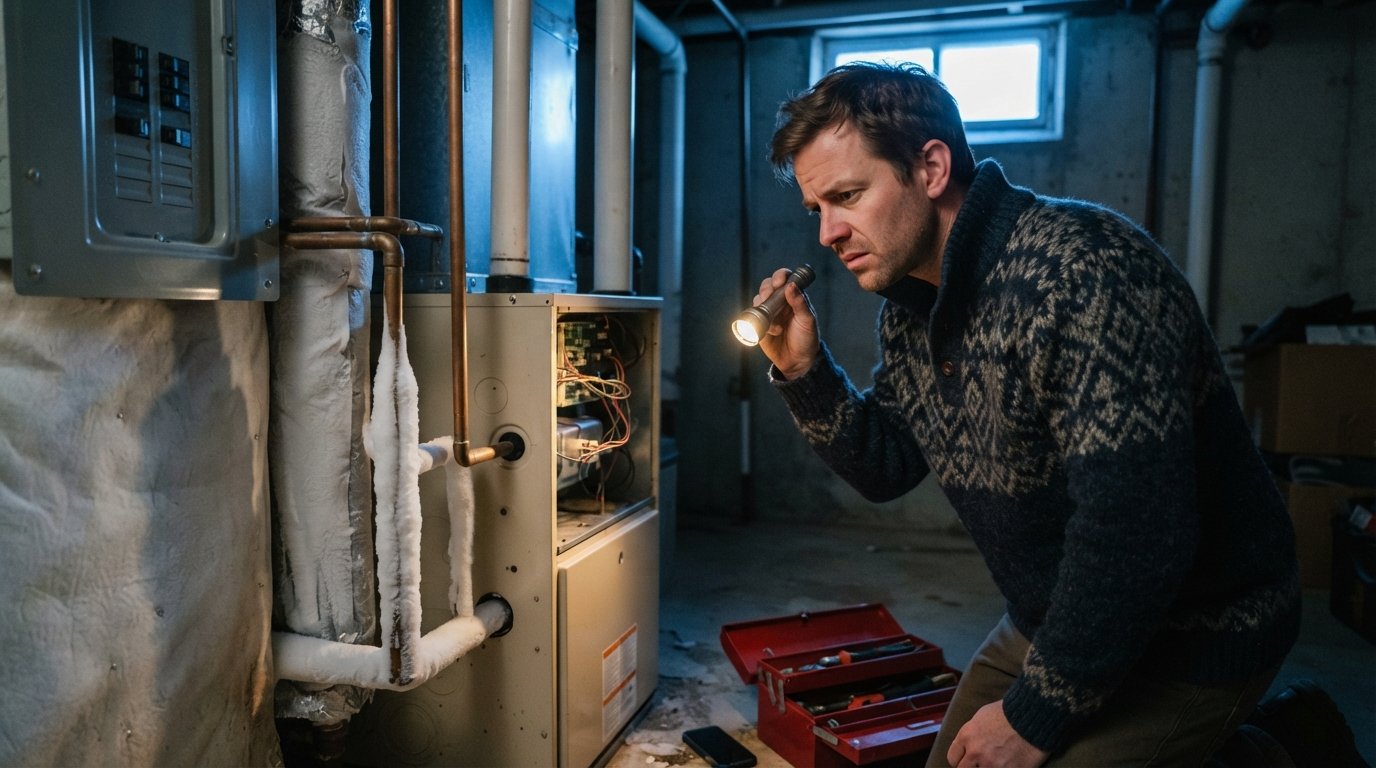
For situations that do not involve fire or gas, your next move is a basic visual inspection. Look at the indoor and outdoor units for obvious signs of trouble: tripped breakers, clogged filters, ice buildup on refrigerant lines, or debris blocking vents. Many homeowners are surprised to learn that a significant percentage of emergency HVAC calls end with a technician flipping a switch or replacing a filter. You can often solve the problem yourself in under five minutes and save the cost of an after hours visit.
If you have a gas furnace, check that the pilot light is lit and that the gas valve is open. For electric systems, confirm that the circuit breaker has not tripped. For air conditioners, verify that the outdoor disconnect switch is in the on position. These simple checks resolve a surprising number of no heat or no cool complaints before a professional ever needs to get involved.
Perform Quick Checks Before Calling a Professional
Once you have confirmed there is no immediate danger, work through a short checklist of common culprits. This step is not about becoming a DIY technician; it is about gathering information that will help you describe the problem accurately and avoid an unnecessary service call. The more you know before you dial, the faster a contractor can diagnose and fix the issue when they arrive.
- Thermostat settings: Confirm the system is set to heat or cool, the fan is on auto, and the temperature is at least three degrees above or below the current room temperature.
- Air filter: A clogged filter restricts airflow and can cause the system to overheat or freeze. Replace it if it looks gray or matted.
- Circuit breakers: Reset any tripped breakers at the main panel and at the outdoor disconnect, then wait five minutes before testing the system again.
- Condensate drain: For cooling systems, a clogged drain line can trigger a safety shutoff. Check for standing water near the indoor unit.
- Vents and registers: Make sure supply and return vents are open and not blocked by furniture, rugs, or boxes.
After completing these checks, give the system a few minutes to respond. If nothing changes, you have likely ruled out the simplest explanations and can move forward with confidence that professional help is warranted. Document what you checked and what you observed, because this information will be valuable when you speak with a contractor or submit a request for quotes.
Know When to Call for Emergency HVAC Repair
Not every HVAC problem qualifies as an emergency, but some absolutely do. The distinction matters because emergency service calls typically carry higher rates, and you want to reserve that expense for situations that genuinely cannot wait until regular business hours. A system that is merely underperforming might survive until morning, while a system that has stopped entirely during extreme weather poses immediate health and safety risks.
Consider these scenarios as true emergencies that require immediate attention. If outdoor temperatures are below freezing and your home has no heat, pipes can freeze within hours, leading to burst lines and thousands of dollars in water damage. If temperatures exceed ninety five degrees and you have infants, elderly family members, or anyone with respiratory conditions, heat exhaustion becomes a real threat. Refrigerant leaks, gas odors, and electrical burning smells are always emergencies regardless of the weather.
On the other hand, a system that is running but not keeping up with your desired temperature, or one that cycles on and off more frequently than usual, can often wait for a standard appointment. The same applies to minor noises or reduced airflow that still provides some heating or cooling. When in doubt, err on the side of caution, but also be honest with yourself about whether the situation truly cannot wait.
If you determine that you need emergency service, your next priority is finding a reliable contractor quickly. Rushing into a decision without doing basic vetting can leave you vulnerable to price gouging or subpar work. In our HVAC repair guide, we explain how to evaluate contractors and what questions to ask before authorizing any work.
Find a Trusted Contractor Fast
When your comfort and safety are on the line, you need a contractor who can respond quickly and perform quality work at a fair price. The challenge is that emergency situations make it tempting to call the first number you find, which is exactly when unscrupulous operators tend to strike. Taking just a few minutes to gather quotes from multiple sources can protect you from overpaying and ensure you get a licensed, insured professional.
Start by checking whether your system is still under warranty. Many manufacturers require that repairs be performed by authorized technicians, and using an unauthorized contractor could void your coverage. If your warranty has expired, you have more flexibility, but you still want to prioritize licensed professionals with strong local reputations.
One of the most efficient ways to find qualified help is to use a platform that connects homeowners with vetted contractors. 180 Remodel is a home remodeling and renovation resource that helps homeowners find professionals for a wide range of services, including HVAC, plumbing, roofing, and more. By submitting a single request, you can receive multiple quotes from local contractors, compare pricing, and choose the best fit for your situation without spending hours making phone calls.
When you contact contractors, have the following information ready to share. This helps them provide accurate quotes and arrive prepared with the right tools and parts.
- The make, model, and age of your HVAC system.
- A clear description of the problem and when it started.
- What checks you have already performed and their results.
- Your address and any access instructions for the unit.
- Your availability and how quickly you need service.
Do not authorize any work until you have a written estimate that itemizes parts and labor. Reputable contractors will provide this without hesitation, and they will not pressure you into making an immediate decision. If a contractor demands cash upfront or refuses to put anything in writing, treat that as a red flag and move on.
Prepare Your Home and Family for the Wait
Even with a fast response, there may be a delay between your call and the technician's arrival. Use that time to make your home as safe and comfortable as possible. If you are without heat in cold weather, gather everyone into a single room and use space heaters safely, keeping them away from curtains, furniture, and pets. Never use a gas stove or oven as a heat source, and never bring a generator or grill indoors.
If you are without air conditioning in extreme heat, close blinds and curtains to block direct sunlight, use fans to circulate air, and stay hydrated. Consider relocating to a friend's home, a hotel, or a cooling center if conditions become dangerous, especially if you have young children or elderly family members. Taking these steps reduces the urgency and gives you more leverage to make a thoughtful decision rather than a desperate one.
It also helps to clear access to your HVAC units before the technician arrives. Move boxes, furniture, and debris away from the indoor air handler and the outdoor condenser. If the outdoor unit is buried in snow or surrounded by overgrown vegetation, clear a two foot perimeter so the technician can work safely and efficiently. These small preparations can shave time off the repair and demonstrate that you are a serious, organized homeowner.
Avoid Common Mistakes During an HVAC Emergency
Even well intentioned homeowners sometimes make costly mistakes when their system fails. One of the most common is continuing to run a system that is clearly malfunctioning. If you hear grinding, banging, or screeching noises, or if the system repeatedly trips the breaker, turn it off at the thermostat and leave it off. Continuing to operate a damaged system can turn a minor repair into a major replacement.
Another frequent error is ignoring the filter. A dirty filter is one of the leading causes of HVAC breakdowns, yet many homeowners neglect this simple maintenance task until something goes wrong. During an emergency, checking and replacing the filter takes seconds and can sometimes restore normal operation. Make a habit of inspecting your filter monthly and replacing it every one to three months, depending on usage and household conditions.
Finally, avoid the temptation to hire the first contractor who answers the phone without doing any vetting. Emergency situations attract opportunists who charge exorbitant rates and perform shoddy work. Ask for proof of licensing and insurance, read online reviews, and trust your instincts. A professional who is transparent, responsive, and respectful of your time is worth waiting for, even in an emergency.
By staying calm, performing quick checks, knowing when to call for help, and choosing a reputable contractor, you can navigate an HVAC emergency with confidence. The steps you take in the first hour set the tone for the entire repair process, so slow down, think clearly, and make decisions that protect your home and your budget.
Learn more about Heating System Repair or Maintenance for guides, costs, and what to expect.
Compare Heating System Repair or Maintenance Pros Near You
Enter your ZIP code to compare top-rated local professionals and request free quotes.