
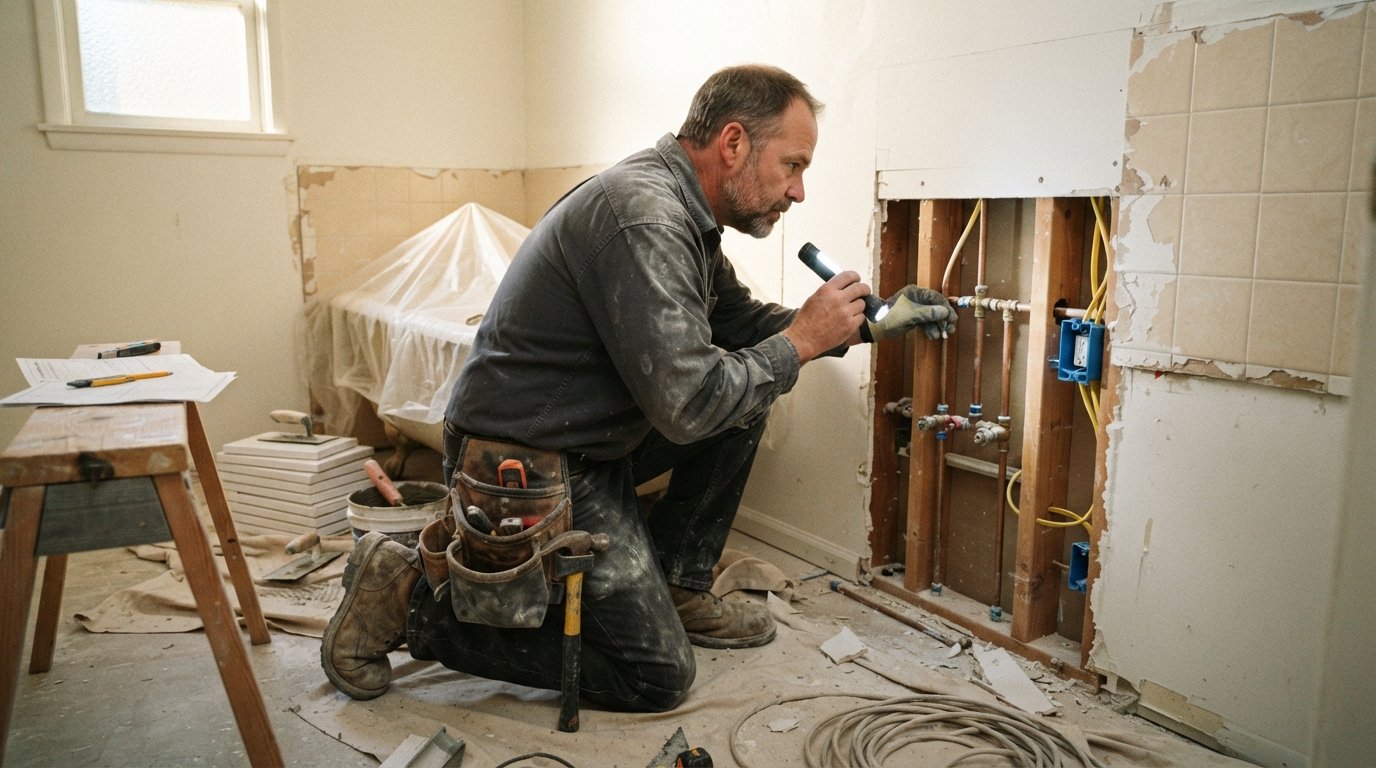
Bathroom Remodel Permit: Do You Really Need One?
Wondering if you need a permit for your bathroom remodel? Learn the rules, costs, and process to ensure your project is code-compliant and safe.
By Chelsea Kris
Learn more about Bathroom Remodel for guides, costs, and what to expect.
Compare Bathroom Remodel Pros Near You

Enter your ZIP code to compare top-rated local professionals and request free quotes.
You have finally decided to tear out that outdated vanity and replace the cracked tile, but a nagging question stops you before you even pick up a sledgehammer: do I need a permit for a bathroom remodel? It is one of the most common questions we hear from homeowners, and the answer is rarely a simple yes or no. The honest truth is that most significant bathroom renovations do require some form of permit, but the specifics depend on the scope of your project and the regulations in your local jurisdiction.
Failing to secure the proper permits can lead to serious headaches, including fines, forced removal of completed work, and complications when you try to sell your home. On the other hand, pulling a permit ensures your project is safe, up to code, and professionally inspected. This guide will walk you through the factors that determine whether you need a permit, what typically requires one, and how to navigate the process smoothly so you can enjoy your new bathroom with complete peace of mind.
Why Permits Matter for Your Bathroom Remodel
Permits exist for your safety. They are not simply a bureaucratic hurdle designed to slow down your renovation. When you pull a permit, you are asking your local building department to review your plans and ensure they meet minimum safety standards. These codes cover everything from the structural integrity of your floor joists to the proper venting of your plumbing and the safe placement of electrical outlets near water sources. A licensed contractor knows these codes, but the permit process provides an independent check that the work is being done correctly.
Beyond safety, permits protect your investment. If you ever sell your home, a prospective buyer or their real estate agent will likely ask about permits for any major renovations. Unpermitted work can become a significant red flag during a home inspection, potentially derailing a sale or forcing you to negotiate a lower price. Some insurance companies also may deny coverage for damages resulting from unpermitted work, arguing that the home was not maintained to code. In our guide on small bathroom remodel costs, we highlight that the cost of a permit is a small price to pay compared to the potential loss in property value or the expense of correcting code violations.
What Determines If You Need a Permit?
The primary factor that dictates whether you need a permit is the extent of the work you plan to do. A purely cosmetic update, such as replacing a toilet, swapping out a faucet, or painting the walls, rarely requires a permit. However, once you start altering the structure of your home, changing the plumbing layout, or modifying the electrical system, you enter the realm of permit-required work. Local building codes vary, but they generally follow the guidelines of the International Residential Code (IRC). Your city or county's building department has the final say, so it is always wise to call them and ask about the specific rules for your address.
To help you get a clearer picture, here are common bathroom remodeling tasks and their typical permit status:
- No permit usually needed: Replacing a toilet, sink, or bathtub in the same location, replacing cabinet doors, painting, installing new tile floors or walls, and changing out light fixtures that use the same wiring.
- Permit likely required: Moving or adding plumbing lines, installing a new shower or bathtub, adding a bathroom, converting a tub to a walk-in shower, moving or adding electrical outlets or switches, installing a new dedicated circuit, and any work that involves cutting into load-bearing walls.
- Permit definitely required: Structural changes, such as removing a wall to expand the bathroom, and any work that modifies the main plumbing stack or the home's main electrical panel.
Remember, this list is a general guide. Some municipalities are stricter than others and may require a permit even for a simple toilet replacement. Always verify with your local building department before you begin, as ignorance is not considered a valid defense if they discover the work.
The Permit Process Explained Step by Step
Once you determine that your bathroom remodel requires a permit, the process is straightforward, though it does require some planning. Here is what you can typically expect when you apply for a permit in most U.S. cities:
- Submit your plans. You will need to provide detailed plans of your bathroom layout, including the location of plumbing fixtures, electrical wiring, and any structural changes. Your contractor can usually prepare these for you, or you can hire a drafter or architect.
- Pay the permit fee. Fees are usually based on the estimated value of the project. They can range from $50 for a minor alteration to several hundred dollars for a full remodel.
- Schedule inspections. After the permit is issued, you must schedule a series of inspections. The first is typically a rough-in inspection after the plumbing and wiring are in place but before the walls are closed. A final inspection occurs after the project is complete to ensure everything is finished correctly.
- Receive a certificate of occupancy. Once your final inspection is passed, you will receive a certificate or a final approval that closes out the permit. Keep this document with your home records.
The timeline for this process can vary. Small projects might be reviewed and approved in a few days, while more complex remodels could take several weeks for plan review. This is an important consideration when you are scheduling your project, as you will need to wait for inspections before proceeding with the next phase of construction. Contractors who are familiar with the local building department will typically handle this entire process for you, which is one of the many benefits of hiring a professional rather than tackling the project yourself.
When You Can Skip the Permit (and When You Shouldn't)
There are a few rare situations where a permit might not be necessary even for a more involved remodel. For instance, if you live in a rural area with no local building codes, you may not have a permitting authority to answer to. However, even then, it is wise to follow the national code standards to ensure your home is safe and insurable. Another exception is for very minor repairs, such as replacing a section of water-damaged drywall, which is considered maintenance.
However, do not use these exceptions as an excuse to skip the process. Many homeowners try to avoid pulling a permit to save time or money, but this is a false economy. If you are caught doing unpermitted work, your local building department can issue a stop-work order, which halts your project immediately. You might also be subject to fines that are double or triple the cost of the original permit. Worse, if you decide to sell your home later, you may be forced to tear open walls to prove that the work is safe, or you may have to pay for a retroactive permit, which involves added fees and potentially complicated inspections. The financial and emotional stress of dealing with these issues far outweighs the inconvenience of following the proper process.
Hiring a Contractor Who Understands Permits
The easiest way to ensure your bathroom remodel is compliant with all local codes is to hire a licensed, experienced contractor who is well-versed in the permit process. A professional contractor will know exactly when a permit is required, they will have established relationships with the local building inspectors, and they will handle all the paperwork and scheduling for you. When you request a quote, ask each contractor how they handle permits. A reputable contractor will always mention that they will pull the necessary permits as part of the project scope.
At 180Remodel, we emphasize the importance of working with contractors who prioritize compliance and safety. While you can certainly visit your local building department to ask questions, a contractor can interpret the codes for your specific project and ensure that all work is not just compliant, but also of the highest quality. They will also be able to advise you on whether your planned changes, such as moving a toilet or adding a skylight, are feasible given your home's existing structure. This professional guidance is invaluable, as it prevents costly mistakes that could arise from a DIY approach.
Remember, a permit is not just a piece of paper; it is your assurance that the work is being done to a safe standard. When you are ready to start your bathroom remodel, use a service like USremodel to connect with contractors in your area who will manage the entire permitting process for you, giving you the freedom to focus on the exciting parts of the design. Then, when the work is done, you will have the confidence of knowing your new bathroom is beautiful, functional, and fully up to code.
Final Thoughts on Your Bathroom Remodel Permit
Ultimately, the question of whether you need a permit for your bathroom remodel is one that only your local building department can answer definitively. Yet, the guiding principle is simple: if your project involves any changes to the plumbing, electrical, or structural systems of your home, you almost certainly need a permit. Skipping this step to save a few dollars is a gamble that can cost you far more in the long run. By doing your research, hiring a professional who respects the process, and pulling the necessary permits, you are protecting your home, your family, and your financial investment. So, take the time to ask the question, get the permit, and enjoy your beautiful new bathroom with total peace of mind.
Learn more about Bathroom Remodel for guides, costs, and what to expect.
Compare Bathroom Remodel Pros Near You
Enter your ZIP code to compare top-rated local professionals and request free quotes.