
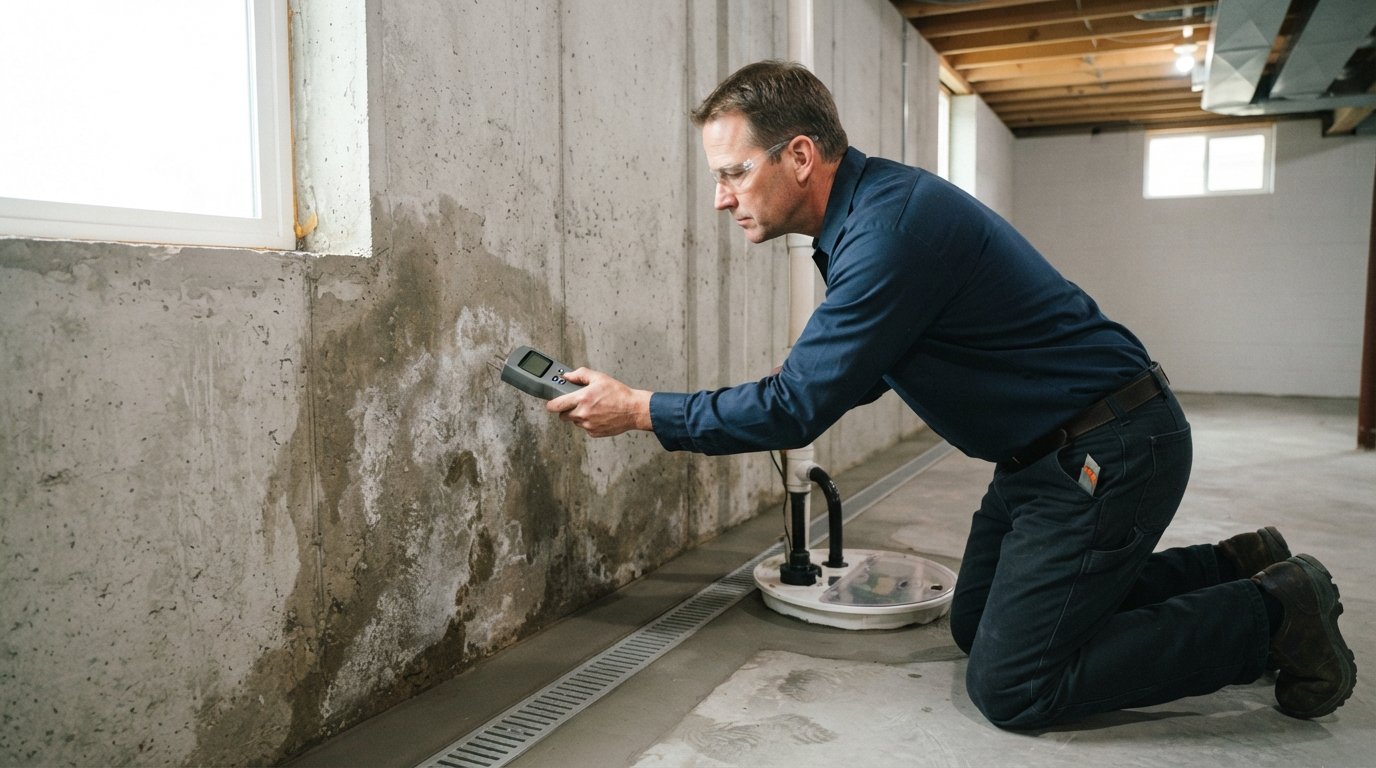
Basement Waterproofing Solutions for a Dry Home
Achieve a dry basement with expert waterproofing solutions. Call (833)-700-4293 for professional help and protect your home today.

By Danica Leslie
Learn more about Home Waterproofing for guides, costs, and what to expect.
Compare Home Waterproofing Pros Near You

Enter your ZIP code to compare top-rated local professionals and request free quotes.
A wet basement is more than an inconvenience; it is a warning sign that can lead to structural damage, mold growth, and costly repairs if ignored. For homeowners, the quest for basement waterproofing solutions for a dry home often begins with a simple observation: a musty odor, a damp spot on the wall, or water pooling after a heavy rain. These symptoms signal that moisture is finding its way into your foundation, and addressing them promptly is essential to protect your investment and your family's health. In this guide, we will explore the causes of basement moisture, compare interior and exterior waterproofing methods, discuss drainage systems and sump pumps, outline cost factors, and explain how to hire qualified professionals. By the end, you will have a clear roadmap to achieving a dry, usable basement.
Recognizing the Signs of Basement Moisture and Understanding Its Causes
Before you can choose the right waterproofing solution, you need to identify the problem. Basement moisture can manifest in several ways, some obvious and others subtle. Common signs include water stains on walls or floors, white powdery deposits (efflorescence) on masonry, peeling paint or wallpaper, rust on metal fixtures, and a persistent musty smell. In more severe cases, you might see standing water or notice that stored items are damp or moldy. These indicators should never be ignored, as they often point to underlying issues that will worsen over time.
The causes of basement moisture are varied, but most stem from water pressure against the foundation or poor drainage around the home. Here are the primary culprits:
- Hydrostatic pressure: When the soil around your foundation becomes saturated, water exerts pressure on the walls and floor, forcing its way through cracks and pores.
- Poor exterior drainage: Clogged gutters, downspouts that discharge too close to the foundation, or grading that slopes toward the house can channel water directly into the basement.
- Foundation cracks: Even hairline cracks in concrete or masonry can allow water to seep through, especially during heavy rains.
- Interior condensation: High humidity levels can cause condensation on cool basement surfaces, mimicking leaks and creating a damp environment.
- Failed waterproofing systems: Older homes may have ineffective or deteriorated waterproofing, such as tar coatings or drain tiles that are no longer functioning.
Understanding these causes is the first step toward selecting the appropriate basement waterproofing solutions for a dry home. For instance, if the issue is primarily hydrostatic pressure, exterior waterproofing might be necessary, whereas condensation problems may be addressed with improved ventilation and dehumidification. A professional assessment can help pinpoint the exact cause and recommend the most effective approach.
Interior vs. Exterior Waterproofing Methods: Which Is Right for You?
When it comes to basement waterproofing, homeowners typically choose between interior and exterior methods. Each has its advantages, limitations, and suitable applications. The decision often depends on the severity of the water problem, the age and construction of the home, and budget considerations. Let us examine both approaches in detail.
Interior Waterproofing
Interior waterproofing involves managing water that has already entered the basement and redirecting it away from the interior. This approach is generally less invasive and more cost-effective than exterior waterproofing, making it a popular choice for many homeowners. Common interior methods include:
- Sealants and coatings: Applied to walls and floors to block moisture, though they are not effective against significant hydrostatic pressure.
- Interior drainage systems: Also known as French drains or perimeter drains, these are installed along the inside perimeter of the basement floor to collect water and direct it to a sump pump.
- Sump pumps: A pump installed in a pit at the lowest point of the basement to remove collected water and discharge it away from the foundation.
- Dehumidifiers: Used to control humidity and condensation, improving overall air quality.
Interior waterproofing is often a good choice for finished basements because it can be installed with minimal disruption to the living space. However, it does not address the source of the water, which can still deteriorate the foundation over time. Therefore, it is best combined with exterior measures when possible.
Exterior Waterproofing
Exterior waterproofing tackles the problem at its source by preventing water from entering the foundation in the first place. This method involves excavating the soil around the foundation to access the exterior walls, applying a waterproof membrane or coating, and installing a drainage system to carry water away. While more expensive and labor-intensive, exterior waterproofing offers a long-term solution and can also address structural issues. Key exterior methods include:
- Waterproof membranes: Sheets or liquid-applied products that seal the exterior walls.
- Exterior drain tiles: Pipes laid at the footing to collect groundwater and direct it to a discharge point.
- Grading and landscaping: Ensuring the ground slopes away from the foundation to prevent water pooling.
- Gutter and downspout extensions: Redirecting roof water away from the foundation.
Exterior waterproofing is typically recommended for homes with severe water problems, visible foundation damage, or when the basement is unfinished and excavation is feasible. It is a more permanent solution but requires careful planning and professional expertise. In many cases, a combination of interior and exterior methods provides the best protection. For homeowners planning larger renovations, our guide on multi functional living spaces offers insights into integrating waterproofing with broader remodeling goals.
Sump Pumps and Drainage Systems: The Heart of a Dry Basement
Sump pumps and drainage systems are critical components of any basement waterproofing strategy. They work together to collect and remove water, keeping the basement dry even during heavy rains. A sump pump is installed in a pit (sump) at the lowest point of the basement. When water accumulates, the pump activates and discharges it through a pipe to a location away from the foundation, such as a dry well or storm drain. There are two main types of sump pumps: submersible (which sits underwater and is quieter) and pedestal (which stands above the water and is easier to service).
Drainage systems, such as interior perimeter drains or exterior footing drains, channel water to the sump pit. Interior drains are installed along the inside base of the basement walls, often beneath the floor, and are less disruptive than exterior drains. Exterior drains are placed around the footing during construction or excavation and are highly effective but require digging. Proper installation is key to ensuring these systems function correctly and do not clog. Regular maintenance, including cleaning the sump pit and testing the pump, is also essential.
When selecting a sump pump, consider the following factors:
- Horsepower: Higher horsepower pumps can handle larger volumes of water and are suitable for areas with heavy rainfall.
- Switch type: Float switches are common, but electronic switches offer more reliability.
- Backup power: A battery backup system ensures the pump continues to operate during power outages.
- Noise level: Submersible pumps are generally quieter than pedestal models.
Investing in a high-quality sump pump and a well-designed drainage system is one of the most effective basement waterproofing solutions for a dry home. These systems not only prevent water damage but also reduce humidity, making the basement more comfortable and usable. For homeowners concerned about energy efficiency, pairing a sump pump with a dehumidifier can further improve air quality and reduce moisture levels.
Cost Factors and Expected Longevity of Waterproofing Solutions
The cost of basement waterproofing varies widely depending on the method chosen, the size of the basement, the severity of the water problem, and local labor rates. On average, homeowners can expect to spend between $2,000 and $7,000 for interior waterproofing, while exterior waterproofing can range from $5,000 to $15,000 or more. Sump pump installation typically costs $500 to $1,500, including the pump and labor. These figures are general estimates; a professional contractor can provide a precise quote after inspecting your basement.
Several factors influence the overall cost:
- Accessibility: Exterior waterproofing requires excavation, which is labor-intensive and can be more expensive if there are obstacles like decks or landscaping.
- Basement size: Larger basements require more materials and labor.
- Extent of damage: If foundation cracks need repair or mold remediation is necessary, costs will increase.
- Permits and inspections: Some municipalities require permits for waterproofing work, adding to the expense.
- Warranty: Longer warranties may come with higher upfront costs but offer peace of mind.
In terms of longevity, interior waterproofing systems can last 10 to 20 years with proper maintenance, while exterior membranes and drainage systems can last 30 years or more. Sump pumps typically last 7 to 10 years. Regular maintenance, such as cleaning gutters, testing the sump pump, and inspecting for cracks, can extend the life of your waterproofing investment. It is also wise to address any water issues promptly to prevent further damage and costly repairs down the line.
When budgeting for basement waterproofing, consider it a long-term investment in your home's value and safety. A dry basement can be finished into additional living space, increasing square footage and property value. Moreover, preventing water damage avoids potential health hazards like mold and mildew. To explore how waterproofing fits into a larger renovation plan, you can connect with contractors and compare project costs to make informed decisions.
Hiring Qualified Basement Waterproofing Contractors via USremodel
Choosing the right contractor is crucial for the success of your basement waterproofing project. A qualified professional will accurately diagnose the problem, recommend the most effective solutions, and perform the work to industry standards. When hiring a contractor, follow these steps:
- Research and gather quotes: Contact multiple contractors and request detailed estimates. USremodel simplifies this by connecting you with local, vetted professionals who can provide customized quotes.
- Verify credentials: Ensure the contractor is licensed, insured, and has experience with basement waterproofing. Ask for references and check online reviews.
- Ask about warranties: A reputable contractor will offer a warranty on materials and labor. Understand what is covered and for how long.
- Get a written contract: The contract should outline the scope of work, materials, timeline, and payment terms.
- Schedule a follow-up: After the work is completed, have the contractor inspect the basement to ensure everything is functioning correctly.
USremodel is a free platform that connects homeowners with independent contractors across the United States. By submitting a request, you can receive multiple quotes from qualified professionals in your area, compare options, and choose the best fit for your needs. This service saves time and ensures you get competitive pricing. Whether you need interior drainage, exterior waterproofing, or sump pump installation, USremodel can help you find the right expert. For homeowners tackling broader projects, such as finishing a basement or remodeling a living space, USremodel also offers connections for remodeling and renovation services.
In addition to finding contractors, USremodel provides educational resources and cost guides to help you plan your project. Their platform emphasizes transparency and affordability, empowering homeowners to make confident decisions. By leveraging USremodel, you can avoid the hassle of searching for contractors and instead focus on achieving a dry, healthy basement.
In summary, basement waterproofing solutions for a dry home involve a combination of proper diagnosis, appropriate methods, and professional installation. From identifying moisture signs to choosing between interior and exterior systems, and from installing sump pumps to hiring qualified contractors, each step brings you closer to a dry, usable basement. Remember that timely action and expert guidance are your best defenses against water damage. With the right approach, you can protect your home, enhance its value, and enjoy the peace of mind that comes with a dry basement.
Learn more about Home Waterproofing for guides, costs, and what to expect.
Compare Home Waterproofing Pros Near You
Enter your ZIP code to compare top-rated local professionals and request free quotes.