
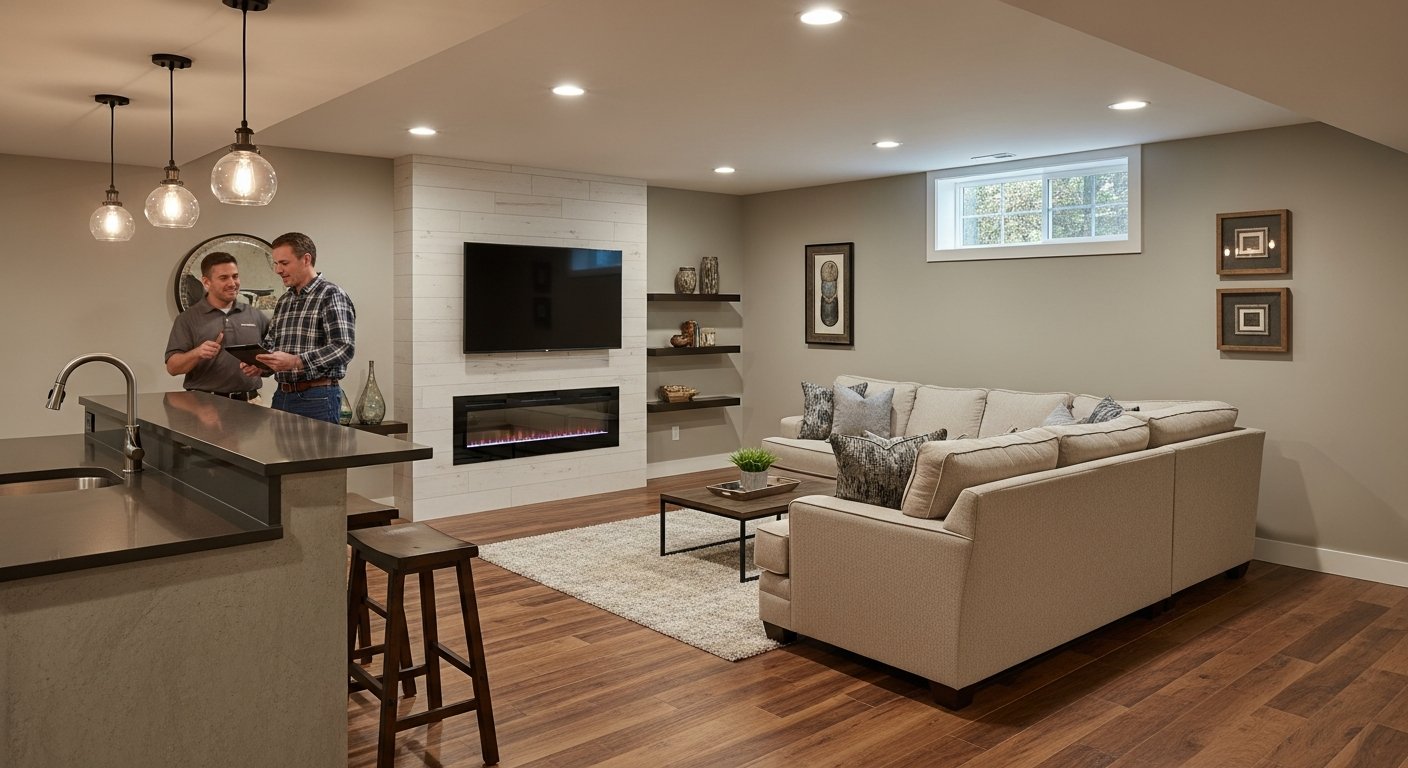
Basement Finishing: Plan Your Remodel Cost and Value
Basement finishing adds valuable living space and boosts home value. Learn cost breakdowns, design ideas, and contractor tips.
By Justin Blake
Learn more about Basement Finishing or Remodeling for guides, costs, and what to expect.
Compare Basement Finishing or Remodeling Pros Near You

Enter your ZIP code to compare top-rated local professionals and request free quotes.
Basement finishing is one of the most impactful home improvement projects you can undertake. It transforms an often-underused space into a functional living area that adds square footage, increases property value, and improves your daily comfort. However, the process involves careful planning, a realistic budget, and the right team of professionals. Whether you dream of a home theater, a guest suite, or a playroom for the kids, understanding the full scope of basement finishing is essential to achieving the results you want without unexpected surprises.
This guide walks you through the key phases of a basement remodel, from initial planning and design to budgeting and working with contractors. You will learn what factors influence basement finishing costs, how to maximize your return on investment, and how to avoid common pitfalls that derail many projects. By the end, you will have a clear roadmap for turning your basement into a valuable and enjoyable part of your home.
Why Basement Finishing Is a Smart Investment
Adding finished living space to your home is one of the most effective ways to increase its overall value and appeal. Unlike exterior projects that focus on curb appeal, a finished basement directly expands your usable square footage, which can be a major selling point for future buyers. Real estate data consistently shows that finished basements recoup a significant portion of their cost at resale, often between 70 and 75 percent, depending on the quality of the work and your local market.
Beyond the financial return, a finished basement provides immediate lifestyle benefits. It gives your family room to grow without the expense and disruption of moving. You can create a dedicated space for hobbies, entertainment, exercise, or even a home office. For multigenerational households, a basement suite with a bathroom and separate entrance offers privacy and independence for aging parents or adult children. The versatility of a basement makes it one of the most flexible areas of your home.
Furthermore, basement finishing often improves the overall energy efficiency of your home. By insulating the walls and sealing gaps, you reduce heat loss in the winter and keep the space cooler in the summer. This can lower your monthly utility bills and make your home more comfortable year-round. When you combine these practical advantages with the potential for increased property value, it is easy to see why basement remodeling is a top priority for many homeowners.
Planning Your Basement Remodel: Key Considerations
Before you start tearing down walls or ordering materials, you need a solid plan. A successful basement finishing project begins with a thorough assessment of your existing space and a clear vision of what you want to achieve. Consider the following core elements during the planning phase:
- Purpose and layout: Define how you will use the space. Is it a media room, a gym, a home office, or a combination? This determines the layout, electrical requirements, and lighting needs.
- Building codes and permits: Most municipalities require permits for basement finishing, especially if you are adding bedrooms or bathrooms. Check with your local building department to understand the specific requirements, including ceiling height, egress windows, and electrical codes.
- Moisture and waterproofing: Basements are prone to moisture issues. Inspect for cracks, leaks, or signs of water damage. You may need to install a sump pump, dehumidifier, or exterior waterproofing before you begin finishing.
- Ceiling height and headroom: Standard ceiling heights are at least 7 feet for habitable spaces. If your basement has low ductwork or beams, you may need to reroute them or design around them to meet code.
Once you have a clear idea of the purpose and requirements, create a detailed floor plan. Sketch out where walls, windows, doors, and major fixtures will go. Consider traffic flow and how the space will connect to the rest of your home. This plan will serve as the blueprint for your contractor and help you get accurate quotes for the work.
Another crucial planning step is setting a realistic budget. Basement finishing costs vary widely based on the size of the space, the quality of materials, and your location. On average, homeowners spend between $30 and $75 per square foot for a finished basement, with higher-end finishes pushing that number upward. Obtain multiple quotes from contractors to understand the range of pricing in your area. Remember to include a contingency fund of at least 10 to 15 percent for unexpected issues, such as mold remediation or electrical upgrades.
Budgeting for Basement Finishing: Costs and Breakdown
Understanding the cost breakdown of a basement remodel helps you allocate your budget wisely and avoid financial strain. The total cost is influenced by several factors, including the size of the basement, the condition of the existing space, and the complexity of the design. A typical finished basement cost includes labor and materials for framing, drywall, flooring, electrical, plumbing (if adding a bathroom), and HVAC modifications.
Here is a general cost breakdown for a standard 1,000-square-foot basement finishing project:
- Framing and drywall: $8,000 to $15,000, depending on the complexity of the layout and whether you need to build interior walls.
- Flooring: $3,000 to $10,000, depending on the material (carpet, laminate, tile, or luxury vinyl plank).
- Electrical work: $2,000 to $5,000, including lighting, outlets, and any dedicated circuits for appliances.
- Plumbing (if adding a bathroom or wet bar): $5,000 to $15,000, depending on the scope and whether you need to tap into existing lines.
- HVAC and ventilation: $2,000 to $6,000, especially if you need to extend ductwork or install a separate heating/cooling zone.
These numbers are estimates, and your actual costs will vary. To get a more precise figure, use a basement finishing cost calculator or request detailed quotes from contractors. Many professional contractors offer free, no-obligation estimates, which can help you compare pricing and understand what is included in each bid.
One of the most significant cost drivers is whether you are adding a bathroom. A basement bathroom requires plumbing rough-in, which can be expensive if your main waste line is far away. You may also need a sewage ejector pump to move waste upward to the main sewer line. These additions can add $10,000 or more to your project, but they also increase the functionality and value of your basement significantly.
Designing Your Finished Basement: Ideas and Trends
The design phase is where your basement starts to feel like a real living space. The right design not only looks good but also maximizes the potential of the area. Here are some popular basement finishing ideas to consider:
- Home theater or media room: Create a dedicated space for movie nights with a large screen, surround sound, and comfortable seating. Plan for dimmable lighting and acoustic treatments to enhance the experience.
- Home gym: Set up a fitness area with rubber flooring, mirrors, and adequate ventilation. Consider adding a small bathroom or a sink for convenience.
- Guest suite: A private bedroom with a full bathroom is ideal for hosting visitors or accommodating extended family. Ensure you have an egress window for safety and code compliance.
- Kids' playroom: A safe, colorful space for children to play and store toys. Use durable, easy-to-clean flooring and plenty of storage solutions.
- Home office or study: A quiet, separated area for remote work or homework. Focus on good lighting, soundproofing, and built-in shelving.
When selecting materials, prioritize durability and moisture resistance. Basements can have higher humidity levels, so choose materials that can withstand potential dampness. For flooring, luxury vinyl planks and ceramic tile are excellent choices because they are waterproof and easy to maintain. Carpet can be comfortable but may be more susceptible to mold if moisture is not controlled. Use mold-resistant drywall, such as purple board, on walls to add an extra layer of protection.
Lighting is another critical element in basement design. Since basements often have limited natural light, a combination of recessed lights, track lighting, and floor lamps can create a warm and inviting atmosphere. Consider installing dimmer switches for flexibility, and use bright, task-specific lighting in work areas like a bar or craft station.
Finally, think about the ceiling. Drop ceilings are a popular choice because they provide easy access to plumbing and electrical systems. They also hide ductwork and wires. However, if you have high ceilings, you might prefer a drywall ceiling for a cleaner, more seamless look. Acoustic ceiling tiles can also help reduce noise transmission between floors.
Hiring the Right Contractor for Your Basement Project
Choosing the right contractor is the single most important decision you will make for your basement finishing project. A skilled contractor brings experience, technical knowledge, and project management skills that ensure the work is done correctly, on time, and within budget. They also handle permits, inspections, and coordination with subcontractors, which saves you time and stress.
Start by gathering recommendations from friends, family, and online reviews. Look for contractors who specialize in basement remodeling specifically, as they will have a deeper understanding of the unique challenges, such as moisture control and egress requirements. Verify that they are licensed and insured in your state, and ask for references from recent basement projects. Contact those references to ask about their experience, the quality of work, and whether the project stayed on schedule.
When you interview potential contractors, ask for a detailed, written estimate that breaks down all costs, including materials, labor, permits, and potential extras. Avoid contractors who give a vague or unusually low bid, as this often leads to change orders and cost overruns. A reputable contractor will also provide a timeline for the project and a clear plan for how they will handle any unexpected issues that arise.
To streamline the process of finding qualified professionals, consider using a lead generation platform like USremodel. This service connects you with multiple independent contractors who specialize in basement finishing and other remodeling projects. You can receive free, customized quotes from several vetted professionals, allowing you to compare pricing and choose the one that best fits your needs. This approach not only saves you time but also gives you confidence that you are hiring a qualified expert.
During the project, maintain open communication with your contractor. Establish a clear point of contact and schedule regular check-ins to review progress. Be prepared to make decisions on materials, fixtures, and finishes as the project moves forward. A good contractor will keep you informed and seek your approval before making any changes to the plan.
Basement Finishing Mistakes to Avoid
Even with a solid plan, many homeowners make avoidable mistakes during basement finishing. Being aware of these common pitfalls can save you time, money, and frustration. Here are the top mistakes to watch out for:
- Skipping the moisture test: Failing to address moisture problems before finishing leads to mold, mildew, and structural damage. Always conduct a simple plastic sheet test or hire a professional to assess humidity levels.
- Ignoring building codes: Not obtaining the proper permits can result in fines, forced removal of work, and difficulty selling your home later. Always check with your local building department.
- Choosing the wrong flooring: Using materials that are not moisture-resistant can cause warping, staining, and odor issues. Select flooring specifically designed for below-grade spaces.
- Poor lighting layout: Inadequate lighting makes the basement feel dark and uninviting. Plan for multiple light sources and consider natural light options like egress windows.
- Underestimating the budget: Not setting aside a contingency fund for unexpected issues can leave you with an unfinished project or financial stress. Always budget for the unexpected.
Another common mistake is trying to DIY the entire project without proper experience. While some tasks, like painting, are DIY-friendly, framing, electrical work, and plumbing require specialized skills and permits. Attempting these yourself can lead to safety hazards, code violations, and costly repairs down the line. It is usually more cost-effective to hire a professional for the complex parts of the job.
Finally, do not overlook the importance of insulation and vapor barriers. Proper insulation not only keeps the space comfortable but also prevents condensation and mold growth. A vapor barrier, typically installed on the warm side of the wall, stops moisture from seeping into the living space. Your contractor should ensure these are correctly installed to protect your investment.
Getting Started: Steps to Begin Your Basement Finishing Project
Ready to transform your basement? Here is a step-by-step approach to kick off your project successfully:
- Define your goals: List all the ways you want to use the finished space. Prioritize the must-haves versus the nice-to-haves.
- Set a budget: Determine how much you are willing to invest, including a contingency fund of 10 to 15 percent.
- Research and plan: Look up local building codes, check if you need permits, and sketch a rough floor plan.
- Get multiple quotes: Use USremodel or contact local contractors to receive free, customized estimates for your basement finishing project.
- Hire your contractor: Review each quote carefully, check references, and choose a contractor with proven basement experience.
- Prepare your home: Clear the basement of any belongings and discuss with your contractor how they will handle debris and dust control.
Following these steps ensures you start with a clear direction and the right team in place. Your contractor will handle the technical details, but your involvement in the planning phase sets the stage for a smooth and successful remodel.
Maximizing Your Return on Investment
Basement finishing is a significant financial commitment, so it makes sense to maximize your return on investment (ROI). The key to achieving a high ROI is to focus on features that are in demand and add lasting value. A well-designed, functional space that appeals to a broad range of buyers will always command a higher resale price.
Egress windows are one of the most important additions for both safety and value. They provide a means of escape in case of an emergency and allow natural light into the basement. Most building codes require them in any room intended for sleeping, so if you are adding a bedroom, an egress window is non-negotiable. This feature also makes the space feel more like a true room, which increases its marketability.
Another high-ROI feature is a full bathroom. A basement bathroom adds convenience and makes the space suitable for guests or extended family. Even a half bath can significantly boost the value of your home. When planning your budget, prioritize plumbing rough-ins if there is any chance you might add a bathroom in the future, as retrofitting later is much more expensive.
Energy efficiency is also a selling point. Proper insulation, energy-efficient windows, and LED lighting not only reduce your utility bills but also attract eco-conscious buyers. Emphasize these features in any future home listing to highlight the long-term savings.
Finally, consider the overall aesthetic. A clean, modern design with neutral colors and quality finishes appeals to the widest audience. Avoid overly personal or niche designs, such as a themed bar or a specific sports team decor, which may not resonate with future buyers. A timeless look ensures your basement remains an asset for years to come.
Final Thoughts on Basement Finishing
Basement finishing is a rewarding project that adds valuable living space and enhances your home's appeal. With careful planning, a realistic budget, and the help of experienced professionals, you can avoid common pitfalls and enjoy a beautiful, functional basement for years to come. The key is to start with a clear vision, do your research, and invest in quality workmanship.
Remember that the process does not have to be overwhelming. Break it down into manageable steps, and do not hesitate to seek expert advice. Whether you are looking to create a cozy family room or a fully self-contained apartment, the possibilities are nearly endless. Take the first step today by reaching out to trusted contractors in your area, and soon you will be enjoying the many benefits of a finished basement.
Learn more about Basement Finishing or Remodeling for guides, costs, and what to expect.
Compare Basement Finishing or Remodeling Pros Near You
Enter your ZIP code to compare top-rated local professionals and request free quotes.